
Medical Dialogues
  • Dermatology
Login Register
This site is intended for healthcare professionals only
Login Register
  • MD Brand Connect
  • Webinars
  • Vaccine Hub
  • MDTV
    • Breaking News
    • Medical News Today
    • Health News Today
    • Latest
    • Journal Club
    • Medico Legal Update
    • Latest Webinars
    • MD Shorts
    • Health Dialogues
  • Fact Check
  • Health Dialogues
Medical Dialogues
  • Medical News & Guidelines
      • Anesthesiology
      • Cardiology and CTVS
      • Critical Care
      • Dentistry
      • Dermatology
      • Diabetes and Endocrinology
      • ENT
      • Gastroenterology
      • Medicine
      • Nephrology
      • Neurology
      • Obstretics-Gynaecology
      • Oncology
      • Ophthalmology
      • Orthopaedics
      • Pediatrics-Neonatology
      • Psychiatry
      • Pulmonology
      • Radiology
      • Surgery
      • Urology
      • Laboratory Medicine
      • Diet
      • Nursing
      • Paramedical
      • Physiotherapy
  • Health news
      • Doctor News
      • Government Policies
      • Hospital & Diagnostics
      • International Health News
      • Medical Organization News
      • Medico Legal News
      • NBE News
      • NMC News
  • Fact Check
      • Bone Health Fact Check
      • Brain Health Fact Check
      • Cancer Related Fact Check
      • Child Care Fact Check
      • Dental and oral health fact check
      • Diabetes and metabolic health fact check
      • Diet and Nutrition Fact Check
      • Eye and ENT Care Fact Check
      • Fitness fact check
      • Gut health fact check
      • Heart health fact check
      • Kidney health fact check
      • Medical education fact check
      • Men's health fact check
      • Respiratory fact check
      • Skin and hair care fact check
      • Vaccine and Immunization fact check
      • Women's health fact check
  • AYUSH
    • Ayurveda
    • Homeopathy
    • Siddha
    • Unani
    • Yoga
  • State News
      • Andaman and Nicobar Islands
      • Andhra Pradesh
      • Arunachal Pradesh
      • Assam
      • Bihar
      • Chandigarh
      • Chattisgarh
      • Dadra and Nagar Haveli
      • Daman and Diu
      • Delhi
      • Goa
      • Gujarat
      • Haryana
      • Himachal Pradesh
      • Jammu & Kashmir
      • Jharkhand
      • Karnataka
      • Kerala
      • Ladakh
      • Lakshadweep
      • Madhya Pradesh
      • Maharashtra
      • Manipur
      • Meghalaya
      • Mizoram
      • Nagaland
      • Odisha
      • Puducherry
      • Punjab
      • Rajasthan
      • Sikkim
      • Tamil Nadu
      • Telangana
      • Tripura
      • Uttar Pradesh
      • Uttrakhand
      • West Bengal
  • Medical Education
      • Ayush Education News
      • Dentistry Education News
      • Medical Admission News
      • Medical Colleges News
      • Medical Courses News
      • Medical Universities News
      • Nursing education News
      • Paramedical Education News
      • Study Abroad
  • Industry
      • Health Investment News
      • Health Startup News
      • Medical Devices News
      • Pharma News
      • Pharmacy Education News
      • AI and healthcare
      • Industry Perspective
  • MDTV
      • Health Dialogues MDTV
      • Health News today MDTV
      • Latest Videos MDTV
      • Latest Webinars MDTV
      • MD shorts MDTV
      • Medical News Today MDTV
      • Medico Legal Update MDTV
      • Top Videos MDTV
      • Health Perspectives MDTV
      • Journal Club MDTV
      • Medical Dialogues Show
This site is intended for healthcare professionals only
LoginRegister
Medical Dialogues
LoginRegister
  • Home
  • Medical news & Guidelines
    • Anesthesiology
    • Cardiology and CTVS
    • Critical Care
    • Dentistry
    • Dermatology
    • Diabetes and Endocrinology
    • ENT
    • Gastroenterology
    • Medicine
    • Nephrology
    • Neurology
    • Obstretics-Gynaecology
    • Oncology
    • Ophthalmology
    • Orthopaedics
    • Pediatrics-Neonatology
    • Psychiatry
    • Pulmonology
    • Radiology
    • Surgery
    • Urology
    • Laboratory Medicine
    • Diet
    • Nursing
    • Paramedical
    • Physiotherapy
  • Health news
    • Doctor News
    • Government Policies
    • Hospital & Diagnostics
    • International Health News
    • Medical Organization News
    • Medico Legal News
    • NBE News
    • NMC News
  • Fact Check
    • Bone Health Fact Check
    • Brain Health Fact Check
    • Cancer Related Fact Check
    • Child Care Fact Check
    • Dental and oral health fact check
    • Diabetes and metabolic health fact check
    • Diet and Nutrition Fact Check
    • Eye and ENT Care Fact Check
    • Fitness fact check
    • Gut health fact check
    • Heart health fact check
    • Kidney health fact check
    • Medical education fact check
    • Men's health fact check
    • Respiratory fact check
    • Skin and hair care fact check
    • Vaccine and Immunization fact check
    • Women's health fact check
  • AYUSH
    • Ayurveda
      • Ayurveda Giuidelines
      • Ayurveda News
      • Top Ayurveda News
    • Homeopathy
      • Homeopathy Guidelines
      • Homeopathy News
    • Siddha
      • Siddha Guidelines
      • Siddha News
    • Unani
      • Unani Guidelines
      • Unani News
    • Yoga
      • Yoga Guidelines
      • Yoga News
  • State News
    • Andaman and Nicobar Islands
    • Andhra Pradesh
    • Arunachal Pradesh
    • Assam
    • Bihar
    • Chandigarh
    • Chattisgarh
    • Dadra and Nagar Haveli
    • Daman and Diu
    • Delhi
    • Goa
    • Gujarat
    • Haryana
    • Himachal Pradesh
    • Jammu & Kashmir
    • Jharkhand
    • Karnataka
    • Kerala
    • Ladakh
    • Lakshadweep
    • Madhya Pradesh
    • Maharashtra
    • Manipur
    • Meghalaya
    • Mizoram
    • Nagaland
    • Odisha
    • Puducherry
    • Punjab
    • Rajasthan
    • Sikkim
    • Tamil Nadu
    • Telangana
    • Tripura
    • Uttar Pradesh
    • Uttrakhand
    • West Bengal
  • Medical Education
    • Ayush Education News
    • Dentistry Education News
    • Medical Admission News
    • Medical Colleges News
    • Medical Courses News
    • Medical Universities News
    • Nursing education News
    • Paramedical Education News
    • Study Abroad
  • Industry
    • Health Investment News
    • Health Startup News
    • Medical Devices News
    • Pharma News
      • CDSCO (Central Drugs Standard Control Organisation) News
    • Pharmacy Education News
    • AI and healthcare
    • Industry Perspective
  • Home
  • Cardiology-CTVS
  • Cardiology & CTVS News
  • New AI blood test...

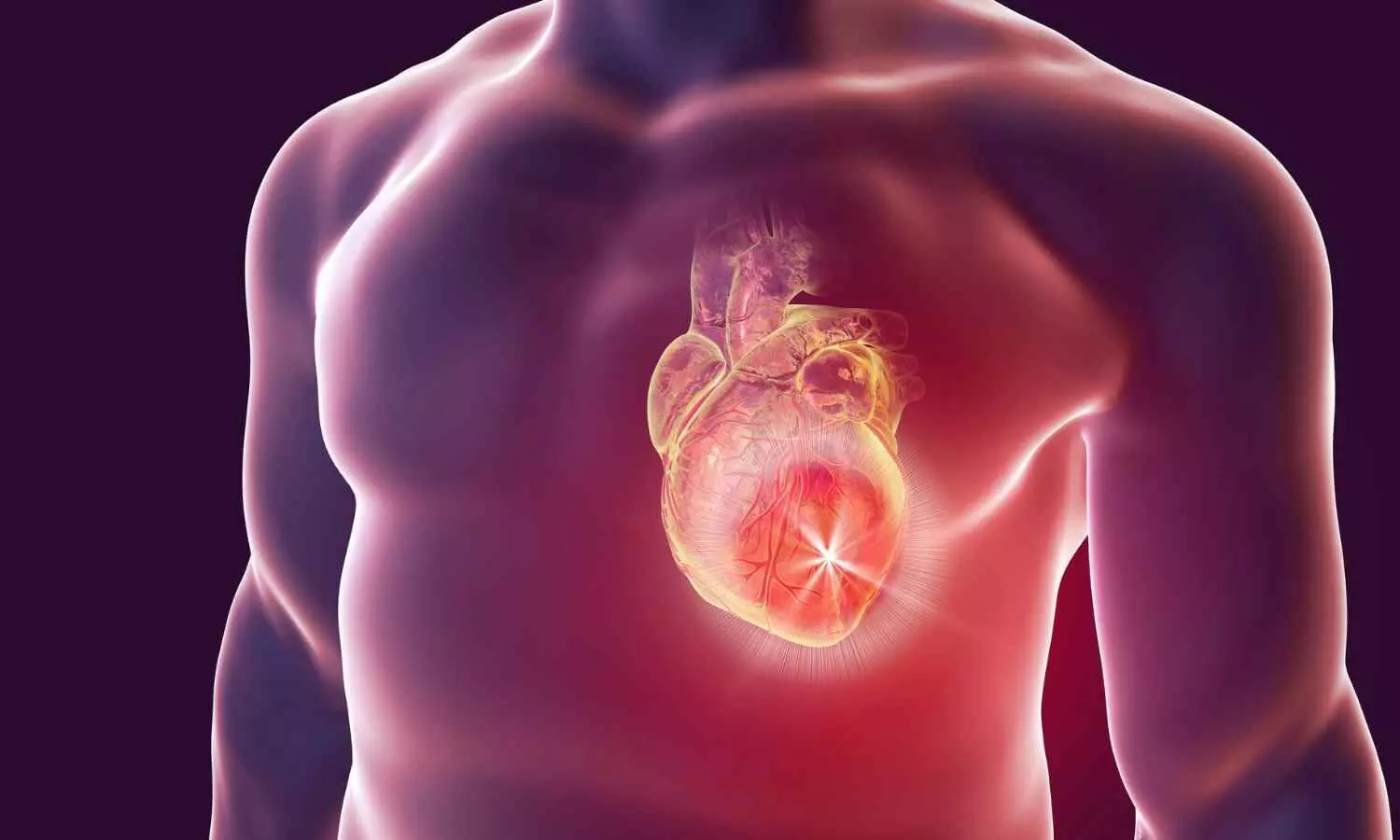
New AI blood test predicts heart disease 15 years early, suggests study
Written By : Dr. Kamal Kant Kohli Published On 2026-07-25T10:30:09+05:30  |  Updated On 25 July 2026 10:30 AM IST
heart Disease
  • facebook
  • twitter
  • linkedin
  • whatsapp
  • Telegram
  • Email

Researchers at the LKS Faculty of Medicine of the University of Hong Kong (HKUMed) have developed an artificial intelligence tool that may help predict serious cardiovascular problems many years before symptoms appear.

The system, known as CardiOmicScore, uses information from a single blood test to estimate a person's future risk of six major cardiovascular diseases (CVDs): coronary artery disease, stroke, heart failure, atrial fibrillation, peripheral artery disease and venous thromboembolism. In people at elevated risk, the model was able to detect warning signals as far as 15 years before clinical onset.

The findings were published in Nature Communications.

A Blood Test That Captures Current Health

Cardiovascular diseases remain the leading cause of death worldwide, accounting for approximately 19.8 million fatalities in 2022 alone.

Doctors commonly assess cardiovascular risk by examining factors such as age, blood pressure, smoking history and other standard clinical measurements. These indicators are useful, but they may not reveal the earliest biological changes taking place inside the body before a disease becomes apparent.

As a result, some people may not be identified as high risk until the best opportunity for prevention has already begun to narrow.

Genetic risk tests offer another way to estimate a person's likelihood of developing disease. Polygenic risk scores, for example, combine the effects of many genetic variants into a single measure of inherited risk. However, a person's genetic makeup is largely fixed at birth.

That means genetic scores cannot fully reflect more immediate changes caused by diet, exercise, aging, illness, environmental exposures or other influences on health.

CardiOmicScore was designed to provide a more current picture of what is happening inside the body.

AI Combines Thousands of Biological Signals

To build the tool, the HKUMed team used deep learning to combine several layers of biological information. This approach is known as multiomics because it brings together data from different areas of biology, including genomics, metabolomics and proteomics.

Genomics examines genetic information. Proteomics focuses on proteins, which carry out many essential functions in the body. Metabolomics studies small molecules called metabolites, which are produced as the body processes food, generates energy and responds to disease.

The researchers analyzed large scale population data from the UK Biobank. Their model examined 2,920 circulating proteins and 168 metabolites measured in blood samples.

Together, these molecules can provide a detailed snapshot of a person's current biological state. They may reflect subtle changes in immune activity, metabolism and vascular health before noticeable symptoms develop.

Professor Zhang Qingpeng, Associate Professor in the Department of Pharmacology and Pharmacy at HKUMed, explained, "Genes determine where we start -- they define our baseline health risk. However, proteins and metabolites reflect our current physical health. Our AI tool is designed to decode these complex molecular signals, enabling doctors and patients to identify risks much earlier, which can potentially change the trajectory of disease through timely lifestyle modifications and early prevention."

Predicting Six Cardiovascular Diseases

The results showed that CardiOmicScore could turn complex molecular measurements into personalized estimates of cardiovascular risk.

The system performed substantially better than conventional polygenic risk scores. Its accuracy improved further when researchers added clinical information such as age and gender.

The model was designed to assess the risk of coronary artery disease, stroke, heart failure, atrial fibrillation, peripheral artery disease and venous thromboembolism.

Atrial fibrillation is an irregular heartbeat that can increase the risk of stroke and other complications. Peripheral artery disease occurs when narrowed blood vessels reduce circulation to the limbs. Venous thromboembolism refers to dangerous blood clots that form in a vein and may travel to the lungs.

Among high risk individuals, CardiOmicScore could flag elevated cardiovascular risk up to 15 years before symptoms emerged.

Moving From Treatment to Earlier Prevention

The research reflects a broader shift in precision medicine.

Traditional genetic approaches provide a relatively fixed estimate of inherited risk. Multiomics tools may offer a more dynamic assessment by tracking biological signals that change over time.

In the future, a small blood sample could potentially be used to create a detailed risk profile covering several cardiovascular diseases at once. That information could give patients and doctors more time to respond with lifestyle changes, closer monitoring or other preventive measures.

Professor Zhang added, "We aim to leverage technology to identify and prevent diseases before they develop. By shifting health management from reactive treatment to proactive prediction and intervention, we aim to create a lasting impact for both public health and individual patient care."

Reference:

Yan Luo, Nan Zhang, Jiannan Yang, Mengyao Cui, Kelvin K. F. Tsoi, Gregory Y. H. Lip, Tong Liu, Qingpeng Zhang. AI-based multiomics profiling reveals complementary omics contributions to personalized prediction of cardiovascular disease. Nature Communications, 2026; 17 (1) DOI: 10.1038/s41467-026-68956-6

Nature Communicationsblood testheart diseaseartificial intelligenceCardiOmicScorecoronary artery diseaseheart failureatrial fibrillation
Source : Nature Communications
Dr. Kamal Kant Kohli

Dr Kamal Kant Kohli-MBBS, DTCD- a chest specialist with more than 30 years of practice and a flair for writing clinical articles, Dr Kamal Kant Kohli joined Medical Dialogues as a Chief Editor of Medical News. Besides writing articles, as an editor, he proofreads and verifies all the medical content published on Medical Dialogues including those coming from journals, studies,medical conferences,guidelines etc. Email: drkohli@medicaldialogues.in. Contact no. 011-43720751

Print Article
Show Full Article
Next Story

Editorial

Oral Elagolix Achieves Greater Endometrioma Size Reduction and a Three-Fold Higher Conception Rate Compared to Leuprolide Depot: Indian Study

Oral Elagolix Achieves Greater Endometrioma Size Reduction and a Three-Fold Higher Conception Rate...

Dapagliflozin in IgA Nephropathy-associated CKD: What is the Evidence?

Dapagliflozin in IgA Nephropathy-associated CKD: What is the Evidence?

Loneliness in Healthy Aging - A Perspective

Loneliness in Healthy Aging - A Perspective

Is Heart Rate the Missing Target in Hypertension Management?

Is Heart Rate the Missing Target in Hypertension Management?

Telmisartan & Metoprolol in Hypertension & CV Care Continuum: 5 Key Points on Indias Most Widely Utilized ARB & Beta Blocker

Telmisartan & Metoprolol in Hypertension & CV Care Continuum: 5 Key Points on India's Most Widely...

View All

Journal Club Today

Study Links Popular Childhood Beverages to Higher Blood Pressure in Adulthood

Study Links Popular Childhood Beverages to Higher Blood Pressure in Adulthood

View All

Health News Today

Health Bulletin 25/July/2026

Health Bulletin 25/July/2026

View All
© 2022 All Rights Reserved.
Powered By: Hocalwire
X
We use cookies for analytics, advertising and to improve our site. You agree to our use of cookies by continuing to use our site. To know more, see our Cookie Policy and Cookie Settings.Ok