
Pulsed Field Ablation as First-Line Therapy may Reduce Risk of AF Recurrence: NEJM
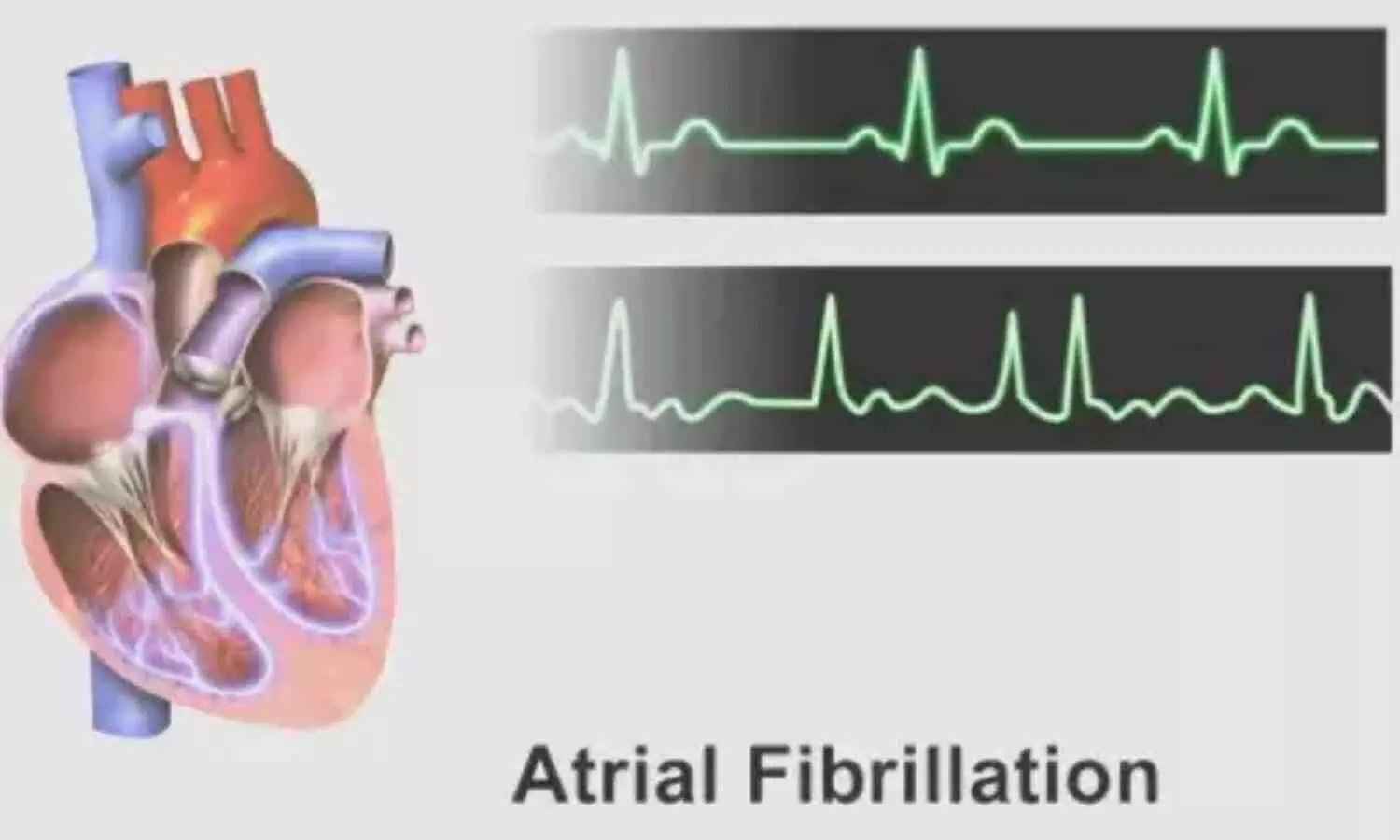


USA: The randomized AVANT GUARD trial has demonstrated that first-line treatment with pulsed field ablation (PFA) significantly reduces the risk of atrial arrhythmia recurrence in patients with persistent atrial fibrillation compared to initial antiarrhythmic drug therapy.
At 12 months, treatment success—defined by both short- and long-term outcomes—was achieved in 56% of patients treated with PFA using the Farapulse pentaspline catheter system, versus 30% in those receiving drug therapy. Additionally, PFA was associated with a markedly lower risk of composite treatment failure (HR 0.46, 95% CI 0.33–0.65), highlighting its superior efficacy as an upfront treatment strategy.
The findings, published in The New England Journal of Medicine, come from an international randomized trial led by Oussama M. Wazni of the Cleveland Clinic. The study evaluated whether PFA could be used as an initial therapy for patients with previously untreated persistent atrial fibrillation, a condition traditionally managed with antiarrhythmic medications before considering ablation.
In this trial, participants were randomly assigned in a 2:1 ratio to undergo PFA using a pentaspline catheter system or to receive antiarrhythmic drug therapy. All patients were monitored continuously with insertable cardiac devices to accurately track arrhythmia recurrence. The primary effectiveness endpoint combined both early procedural success and sustained freedom from arrhythmia or need for further intervention over 12 months.
The study led to the following findings:
- Pulsed field ablation showed a clear advantage over antiarrhythmic drug therapy.
- More than half of the patients in the PFA group achieved treatment success.
- Less than one-third of patients in the medication group achieved similar success.
- Patients treated with PFA had a significantly lower risk of treatment failure.
- Treatment failure included recurrence of atrial arrhythmias, need for repeat ablation, or continued use of antiarrhythmic drugs.
- Device- and procedure-related serious adverse events occurred in 5.1% of patients in the PFA group.
- Overall, serious adverse events were reported in 25% of patients undergoing PFA.
- In comparison, 21% of patients receiving drug therapy experienced serious adverse events.
- The safety profile of PFA was broadly comparable to that of antiarrhythmic drug therapy.
Current clinical guidelines generally recommend trying antiarrhythmic drugs before proceeding to catheter ablation in patients with persistent atrial fibrillation. However, these findings suggest that initiating treatment with PFA may offer better rhythm control without a substantial increase in risk.
The study highlights the potential of pulsed field ablation as a first-line therapy, particularly given its mechanism of selectively targeting cardiac tissue while minimizing damage to surrounding structures. As evidence continues to evolve, PFA may reshape treatment strategies for atrial fibrillation, offering patients a more effective option earlier in the course of disease management.
Reference:
DOI: 10.1056/NEJMoa2600929

Next Story