SGLT2i Therapy Improves Survival in Surgical Aortic Valve Patients: Study
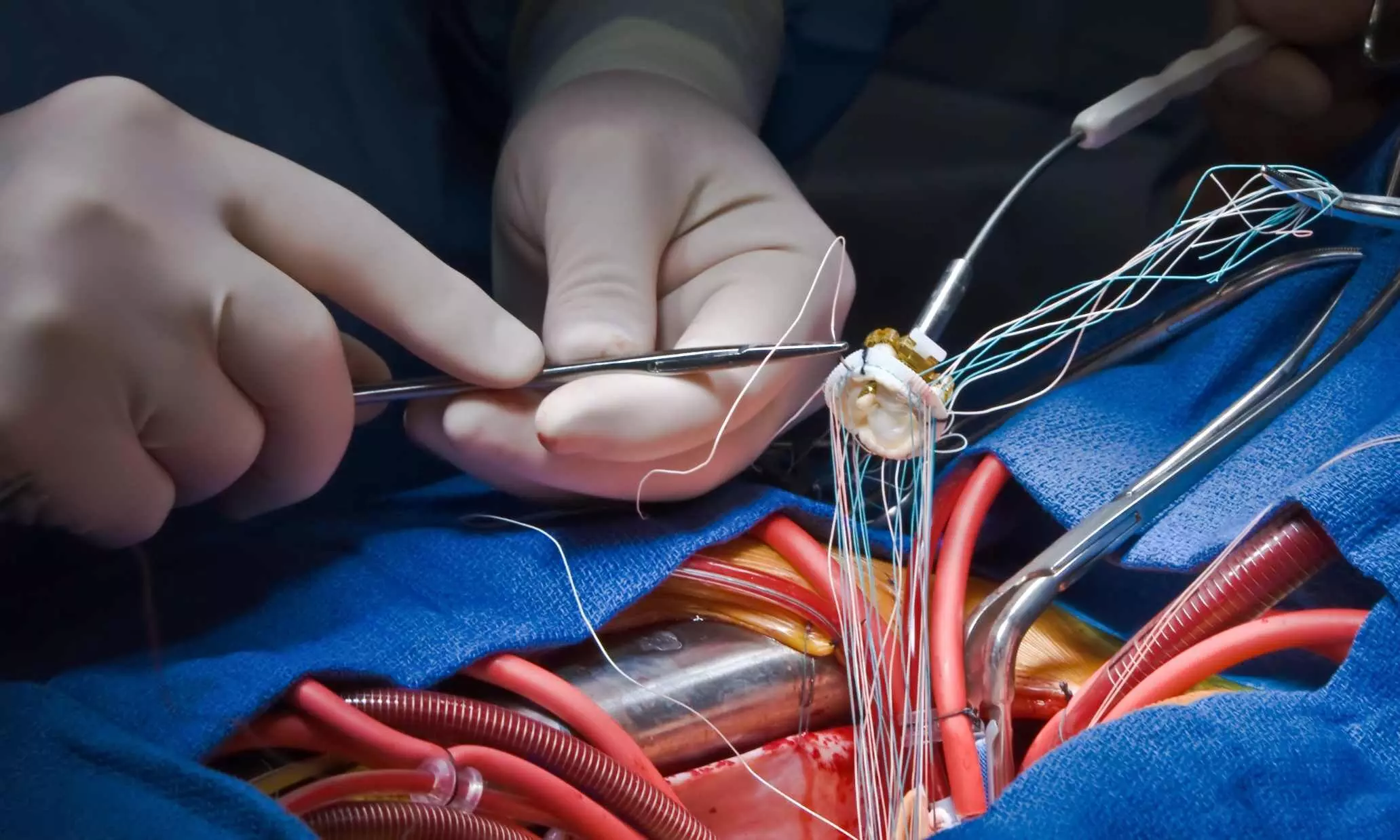


A real-world observational study which examined the outcome in the long run after major cardiac surgeries revealed that the use of sodium-glucose co-transporter 2 (SGLT2) inhibitors in the perioperative period led to better chances of survival for patients undergoing surgical aortic valve replacement. It has been found out that patients undergoing surgical aortic valve replacement had better 5-year survival rate and lower risk of strokes when using sodium-glucose co-transporter 2 inhibitors during surgery. The study was published in The Journal of Thoracic and Cardiovascular Surgery by Xander J. and colleagues.
To evaluate the clinical effects of perioperative administration of SGLT2 inhibitors on patients’ outcomes, the medical records of 2,930 consecutive patients undergoing a surgical aortic valve replacement or a combined procedure of aortic valve replacement and coronary artery bypass grafting were analyzed from 2014 to 2025. The inclusion criteria used were identical to the ones applied in current cardiovascular studies, namely, patients with severe aortic stenosis and ejection fraction less than 40%, with an estimated glomerular filtration rate of 25 to 75 mL/min/1.73 m² or with type 2 diabetes mellitus.
Perioperative administration of SGLT2 inhibitors was applied in 85 patients (2.9%). Propensity score matching was utilized to control for differences between study groups due to baseline clinical heterogeneity and selection bias. The main outcome of the trial was the mortality within 5 years after surgery, with secondary outcomes including stroke, heart failure admissions, atrial fibrillation admissions, and total rehospitalization due to any cause.
Key findings:
- SGLT2 inhibitor use was associated with a statistically significant reduction in 5-year all-cause mortality compared to non-use in the unadjusted cohort (13.6% vs 33.5%, log-rank P = 0.022).
- After propensity score matching to adjust for baseline clinical confounders, 5-year all-cause mortality remained significantly lower among SGLT2 inhibitor users compared to non-users (13.8% vs 25.8%, P = 0.012).
- Matched secondary outcome analysis demonstrated a marked reduction in long-term stroke incidence among SGLT2 inhibitor users (2.0% vs 19.3%; P = 0.046).
- No statistically significant differences were observed between SGLT2 inhibitor users and non-users regarding post-surgical atrial fibrillation admissions or overall all-cause rehospitalization rates.
Perioperative SGLT2 inhibitor therapy in patients who are having a surgical aortic valve replacement has a significantly better 5-year overall survival and lower stroke rates. The fact that the 5-year mortality rate decreased from 25.8% to 13.8% is a great example of the power of cardiometabolic drug therapy in cardiac surgery.
Reference:
Jacquemyn, X., Hasan, I., Ogami, T., Serna-Gallegos, D., Bonatti, J., Abdullah, M., Chu, D., Kaczorowski, D. J., & Sultan, I. (2026). Sodium-glucose cotransporter 2 inhibitor use and outcomes after surgical aortic valve replacement. The Journal of Thoracic and Cardiovascular Surgery, 172(3), 600–607. https://doi.org/10.1016/j.jtcvs.2026.02.037