
Vutrisiran Associated With Favorable Cardiac Remodeling in ATTR-CM: JAMA
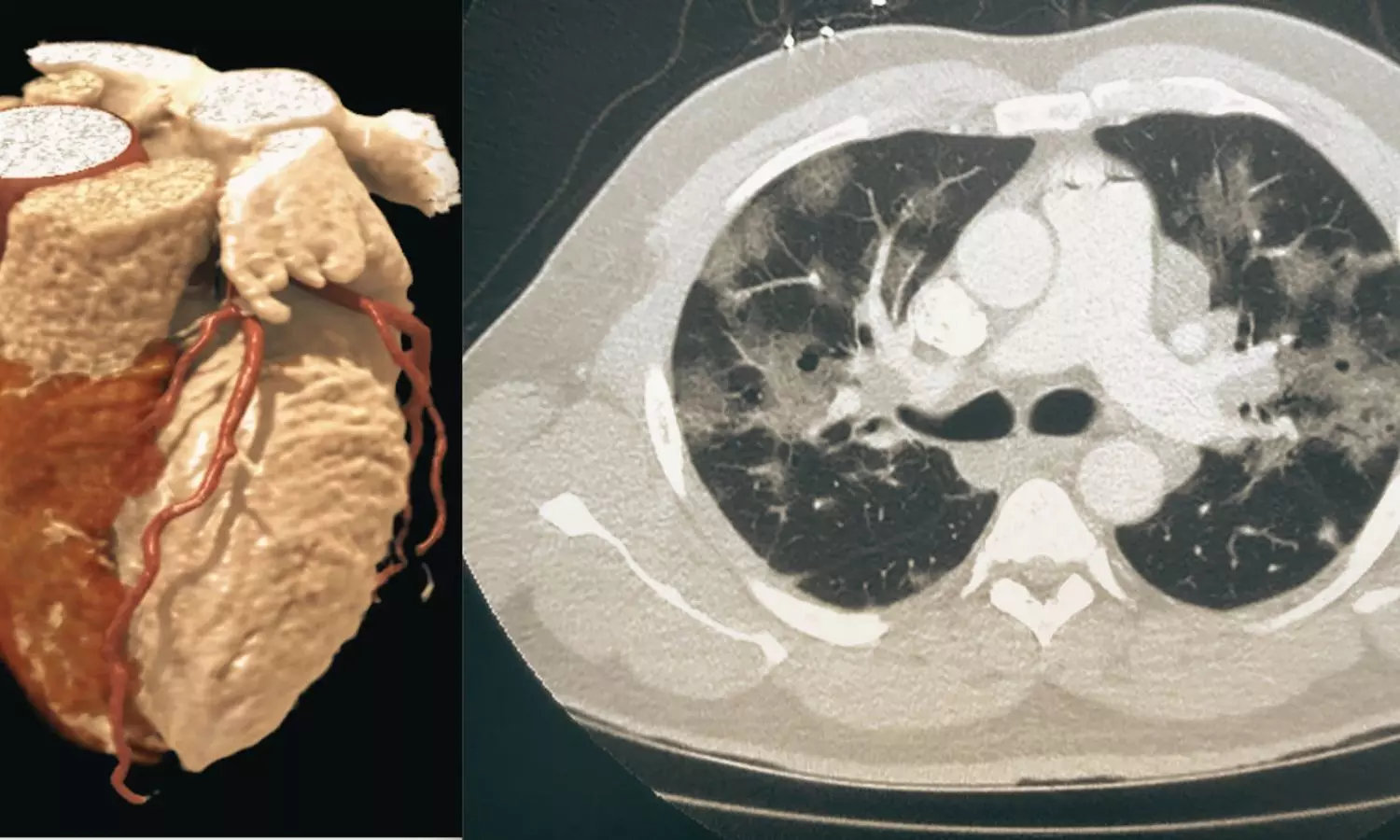


In a small, selected cohort of patients with transthyretin amyloid cardiomyopathy (ATTR-CM), vutrisiran was associated with favorable changes in cardiac structure, function, and amyloid burden, including reduced extracellular volume on cardiovascular magnetic resonance (CMR). These preliminary findings published in the journal of JAMA Cardiology are hypothesis-generating and require confirmation in larger, prospective imaging studies.
ATTR-CM is a progressive disease caused by the accumulation of transthyretin amyloid deposits within the heart muscle, leading to worsening cardiac function and heart failure. Vutrisiran, an RNA interference therapy designed to suppress transthyretin production in the liver, previously met the primary endpoint of the HELIOS-B trial by improving clinical outcomes. The latest analysis explored whether those clinical benefits were reflected in serial CMR imaging for evaluating cardiac structure, function, and tissue characteristics.
The retrospective study included 43 participants treated at the UK National Amyloidosis Centre who underwent CMR imaging at baseline and during one-, two-, and three-year follow-up. Of these, 21 patients received vutrisiran while 22 received placebo. Baseline cardiac characteristics were comparable between the two groups, and none of the participants received background tafamidis therapy.
The patients treated with vutrisiran experienced significantly better preservation and improvement of heart function over time when compared to placebo. The therapy was associated with higher left and right ventricular ejection fractions, increased stroke volumes, lower left ventricular mass, and a significant reduction in extracellular volume (ECV), that reflects cardiac amyloid burden.
After 36 months, amyloid regression was observed in two of nine patients (22%) receiving vutrisiran, while no patients in the placebo group demonstrated regression. In contrast, disease progression occurred in five of eight placebo-treated patients (63%) when compared to just one of nine patients (11%) receiving vutrisiran. Overall, these imaging findings complement the previously reported clinical benefits of vutrisiran and provide additional evidence that reducing transthyretin production may positively influence the underlying disease process.
Improvements in both ventricular performance and reductions in cardiac mass further support the potential of this therapy to modify disease progression. Larger, prospective studies using standardized CMR imaging will be needed to determine whether these favorable imaging changes translate into sustained long-term clinical benefits for patients living with ATTR-CM.
Reference:
Razvi, Y., Sheikh, A., Patel, R. K., Achten, A., Mansell, J., Martinez-Naharro, A., Venneri, L., Hawkins, P. N., Moon, J., Vest, J., Bansilal, S., Eraly, S., Aldinc, E., Claggett, B. L., Solomon, S. D., Gillmore, J. D., & Fontana, M. (2026). Vutrisiran treatment and changes in cardiac parameters and amyloid burden assessed by cardiovascular MRI. JAMA Cardiology. https://doi.org/10.1001/jamacardio.2026.2812

