Interactive Digital Forms Accelerate Cardiac PoCUS Training and Improve Assessment Agreement, Study Finds
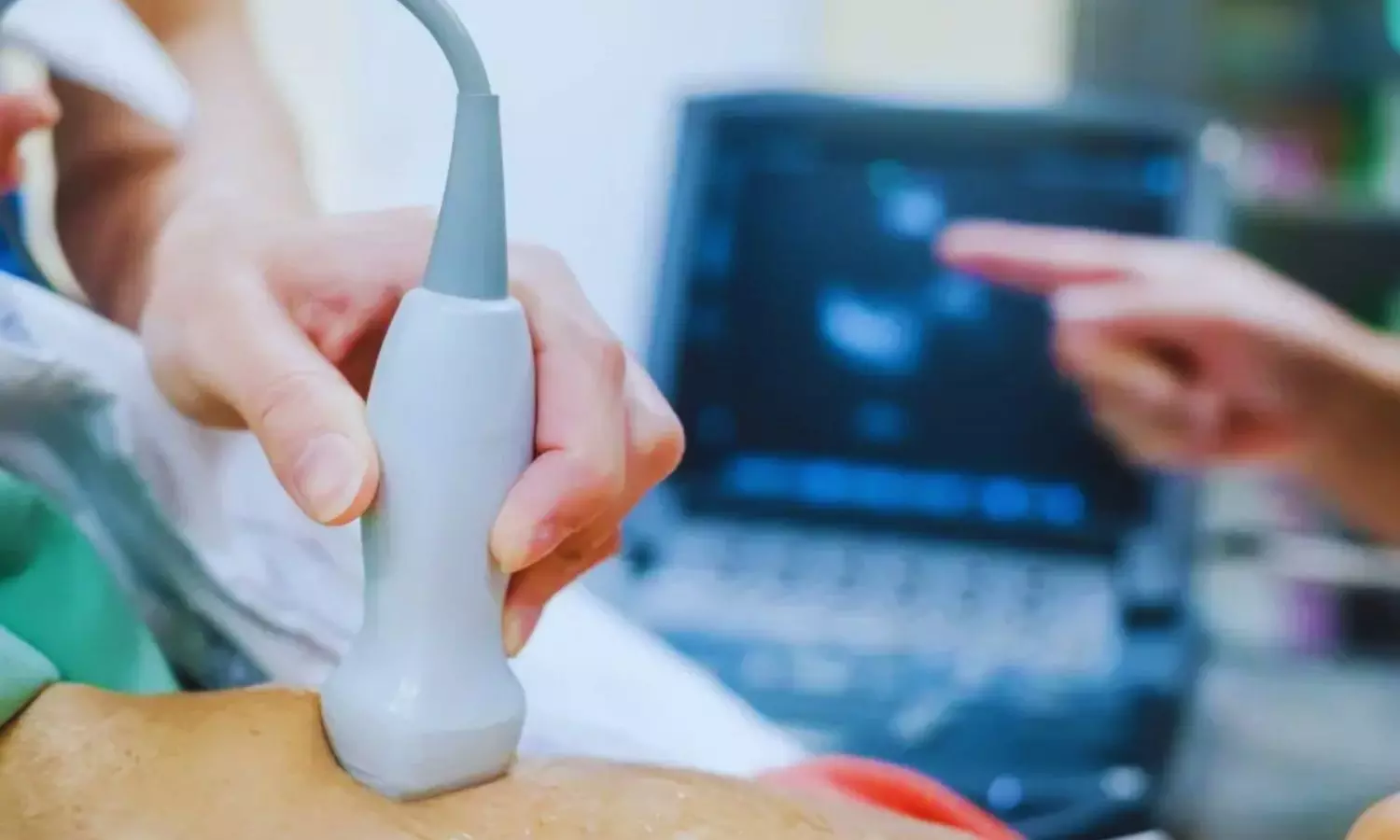


A recent pilot study published in the Indian Journal of Critical Care Medicine in September 2026 demonstrates that interactive web-based reporting forms accelerate early point-of-care ultrasound training with an extra 0.44% skill gain per scan. By embedding dynamic branching logic and visual guides, this digital tool also elevated trainee-assessor agreement to an intraclass correlation coefficient of 0.75.
Building upon the learning ultrasound in critical care (LUCC) curriculum—which evolved from paper checklists to static web-based Google Forms™—a clinical gap remained in optimizing trainee self-analysis during workplace scanning. To address this gap, Dr. Tazeen Sarguroh and Dr. Arvind Rajamani from Nepean Hospital, on behalf of the SPARTAN Collaborative, evaluated whether an interactive Research Electronic Data Capture (REDCap™) reporting form enhances basic cardiac ultrasound competencies compared to noninteractive forms.
Therefore, the multicenter pilot study evaluated 20 ultrasound-naive intensive care unit trainees across five countries performing 20 serial bedside scans, comparing 10 prospective learners using an interactive Research Electronic Data Capture (REDCap™) form against 10 retrospective controls using a static form. Evaluated via blinded central assessor scoring and linear mixed-effects models, the trial measured primary endpoints of image-acquisition quality and trainee-assessor agreement, alongside secondary outcomes of technical troubleshooting and diagnostic accuracy.
Key Clinical Findings of the Study Include:
- Accelerated Early Learning Curve: The SPARTAN study demonstrated a steeper early image-acquisition learning slope in the interactive cohort, achieving an additional 0.44% gain per scan (p = 0.032) and higher mean acquisition scores by scans 6–10 (41.6% vs. 36.7%) and scans 11–15 (67.1% vs. 56.7%).
- Enhanced Self-Evaluation Reliability: Trainee-assessor agreement improved markedly in the interactive arm of the SPARTAN trial, reaching an ICC of 0.75 compared to 0.50 in the noninteractive arm by scans 16–20.
- Superior Technical Troubleshooting: Interactive reporting guided by SPARTAN prompts yielded higher correct response rates for optimizing image depth, gain, centering, and probe orientation during early training blocks.
- Improved Diagnostic Accuracy: Memory-prompted diagnostic fields in the SPARTAN study generated up to 20 to 30 percentage point gains in accurately evaluating left ventricular size, wall thickness, and fluid responsiveness.
- Efficient Bedside Workflow: The SPARTAN evaluation confirmed that interactive digital forms required a median completion time of 12 minutes per scan compared to 11 minutes for static forms, adding minimal operational overhead.
The results suggest that implementing interactive web-based reporting forms into basic cardiac ultrasound training enhances early image acquisition, yielding absolute score improvements of 5% to 10% and superior trainee-assessor agreement. This digital scaffolding strengthens self-regulated learning and competency development without altering underlying scanning schedules or faculty feedback structures.
Embedding interactive reporting forms with branching logic and visual reference guides into critical care ultrasound curricula may optimize supervisor-trainee interactions, refine bedside clinical decision-making, and reduce trainee attrition during early skill development.
Although limited by a modest sample size of 20 trainees and a retrospective comparator group without assessing downstream patient outcomes, a planned larger verification clinical trial will determine whether these interactive educational gains translate into improved bedside diagnostic accuracy and clinical outcomes for critically ill patients.
Reference
Sarguroh T, Rajamani A, Arvind H, Bharadwaj PA, Hariharan S, Hassan A, et al. Impact of an Interactive Web-based Reporting Form in Basic Cardiac Ultrasound Training – Longitudinal Educational Cohort Pilot Study: On Behalf of the SPARTAN Collaborative. Indian J Crit Care Med 2026;30(9):766–772.