
Magnesium-Calcium Oral Rinse May Relieve Burning Mouth Syndrome, finds study
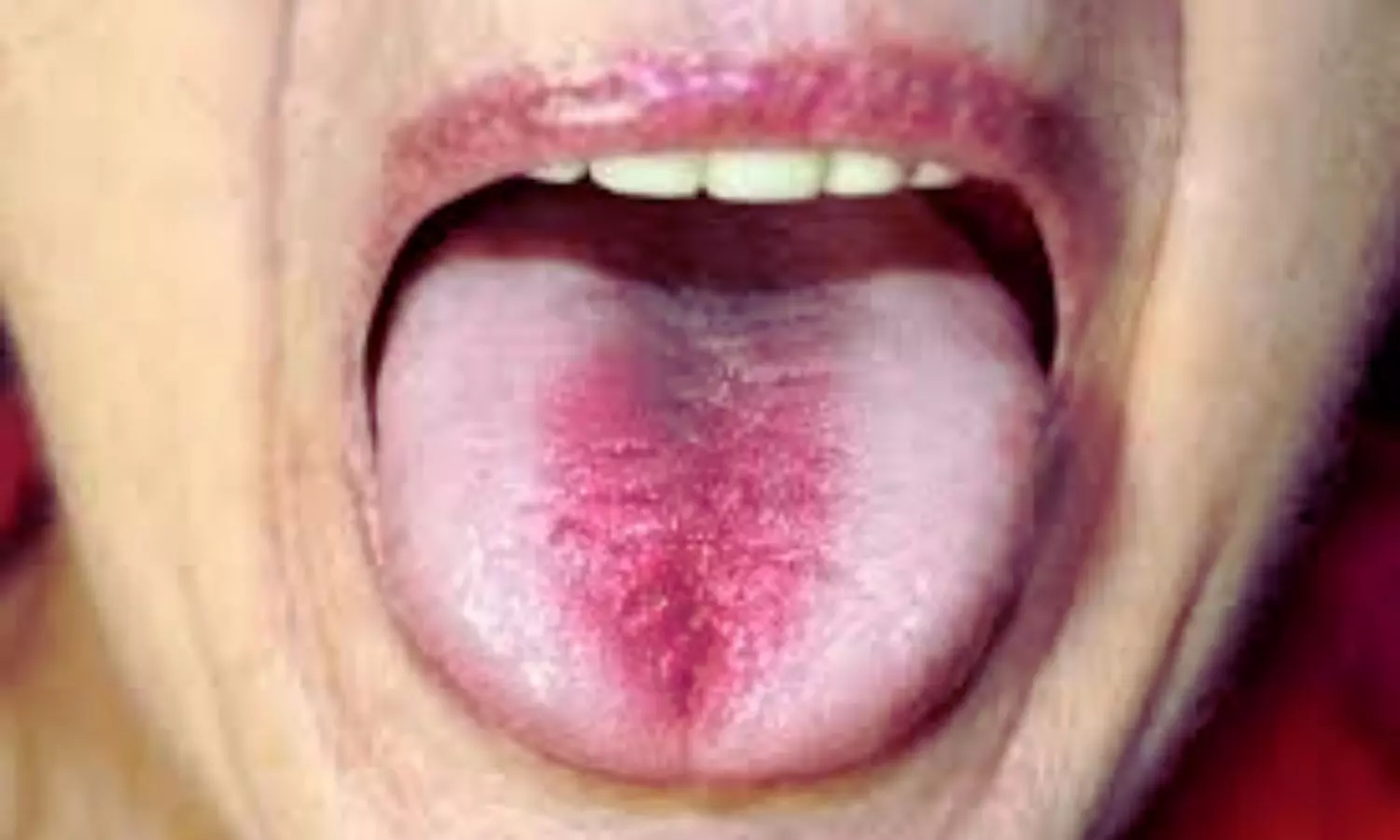


A new study published in the journal of BMC Oral Health showed that in individuals with primary burning mouth syndrome, a magnesium-calcium oral rinse showed a positive safety profile while dramatically reducing burning pain and improving oral health-related quality of life.
Primary Burning Mouth Syndrome (BMS) is a long-term neuropathic pain condition that mostly affects women who are perimenopausal or postmenopausal. There is an urgent need for safer, targeted therapy since BMS significantly impairs quality of life and existing systemic or topical treatments frequently have negative side effects and are ineffective.
A possible strategy is to alter the ionic microenvironment of the oral mucosa. Calcium maintains the integrity of the epithelium, whereas magnesium reduces pain sensitivity by inhibiting NMDA receptors. Expanding upon these principles, a new magnesium-calcium ionic oral rinse was assessed in this research.
This trial examined if this targeted, non-sedating topical formulation successfully lowers the severity of burning pain and enhances patient-reported outcomes for those with primary BMS.
A magnesium-calcium oral rinse or a placebo was given to 116 people with primary burning mouth syndrome (BMS) in a 1:1 ratio for eight weeks in this randomized, placebo-controlled, double-blind study. Three times a day, participants washed 10 mL for 60 seconds.
The main result was a shift in the severity of searing pain as measured by a Numeric Rating Scale (NRS). The Oral Health Impact Profile-14 (OHIP-14), Xerostomia Inventory, Patient Global Impression of Change (PGIC), safety evaluations, and responder rate (≥2-point drop in NRS) were secondary objectives.
By week eight, the active group's pain reduction was considerably higher than that of the placebo group (mean difference, −1.7; 95% CI, −2.5 to −0.9; P<0.001). 62% of respondents when compared to 32% (P=0.001).
The OHIP-14 and xerostomia scores also showed notable improvements. The moderate adverse effects were similar in all groups.
Overall, patients with primary burning mouth syndrome (BMS) saw a substantial reduction in pain intensity after using an oral rinse containing magnesium and calcium ions. Additionally, the rinse enhanced subjective xerostomia and quality of life related to dental health.
The medication was safe and well-tolerated with little systemic exposure; thus, patients with comorbidities may use it. Larger multicenter trials with longer follow-up are required to validate the long-term effectiveness and biological processes of this topical treatment, despite the fact that it is promising and offers clinically significant individual benefits.
Source:
Carrió, N., Garawani, B. E., Alahmad, A., Atari, F., Ferrés-Amat, E., Bassil, J., Amer, I. A., Badrah, M., Shabaan, A. A., & Kassem, I. (2026). Efficacy of magnesium-calcium ionic oral rinse for primary burning mouth syndrome: a randomized, double-blind, placebo-controlled trial. BMC Oral Health, 26(1). https://doi.org/10.1186/s12903-026-09296-1

