
AI in Dental Radiology with Diagnostic Enablers and Professional Barriers, Suggests Study
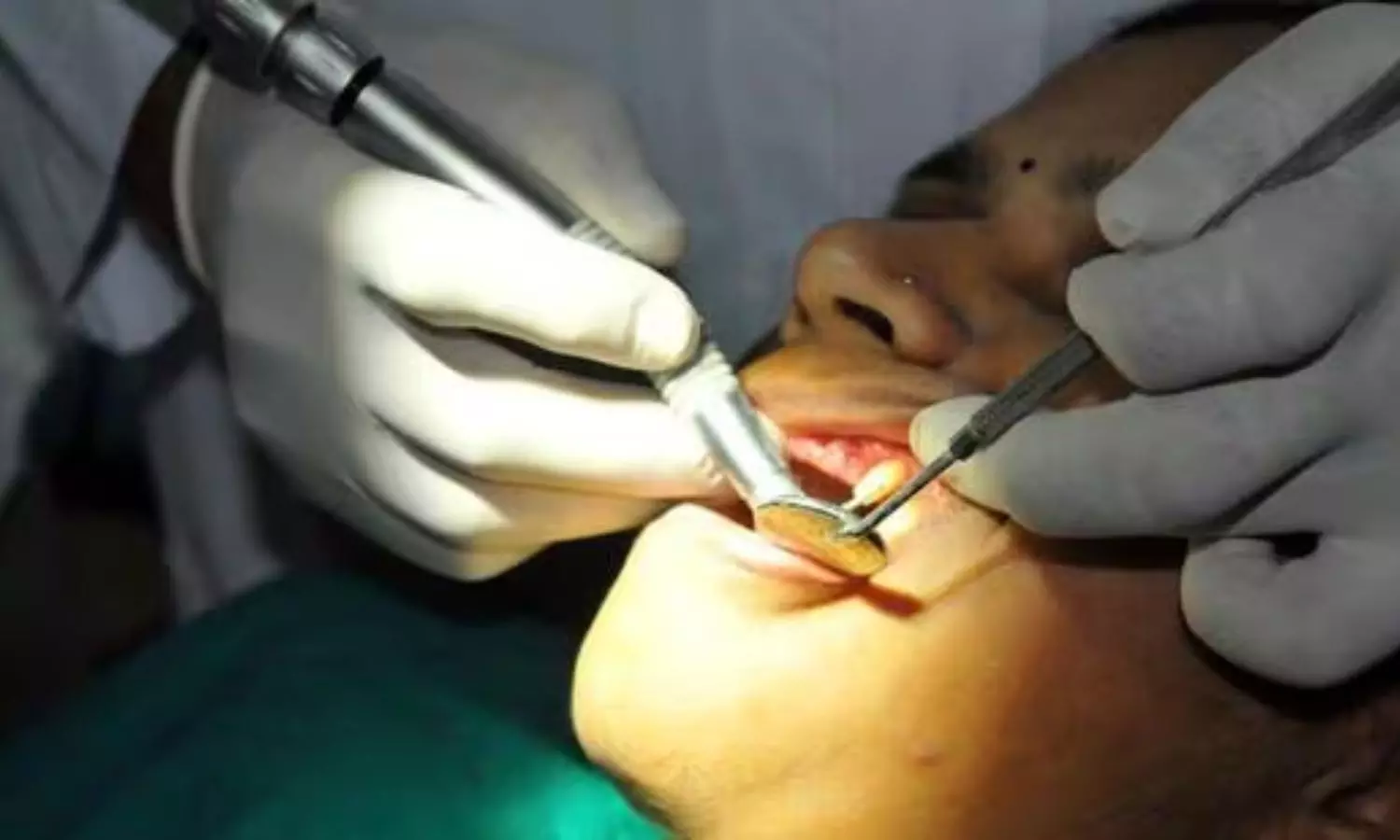


A recent qualitative exploration into the integration of artificial intelligence within dental radiology highlights the evolving perspectives of Chennai’s oral radiologists as they navigate a technological revolution defined by significant diagnostic enablers and persistent professional barriers, as published in the Indian Journal of Radiology and Imaging in June 2025
As Artificial Intelligence (AI) evolves into a revolutionary force across medical fields, previous research by Lewis and colleagues has already underscored its potential to optimize workflows and reduce the exhaustion of imaging staff; however, because no prior research in India has specifically assessed the attitudes of oral radiologists toward these tools, Dr. Jeevitha Gauthaman from SRM Dental College in Chennai conducted this study to identify the specific clinical gaps and behavioral motivators for AI implementation.
This qualitative study utilized semi-structured interviews with 35 oral radiologists practicing in Chennai during early 2024, employing the Theoretical Domains Framework (TDF) and the Capabilities, Opportunities, and Motivations influencing Behaviors (COM-B) model to systematically evaluate professional attitudes during 40-minute sessions. The researchers applied Mayring’s principles of inductive and deductive content analysis to determine primary and secondary endpoints, ensuring data saturation was reached within a homogenous population of clinical and academic specialists.
Key Clinical Findings of the Study Include:
• Operational Efficiency: The study shows that approximately 91.4% of participants recognized that AI facilitates superior time management and streamlined digital database handling, effectively reducing the labor-intensive burden of manual reporting.
• Diagnostic Excellence: The study found that 91% of clinicians believe AI provides higher diagnostic accuracy and allows for faster outpatient disposal, which is crucial for handling high patient volumes.
•Educational Advancement: An impressive 94% of respondents viewed AI as an essential, modern tool for enhancing research and teaching capabilities for both undergraduate and postgraduate students.
• Systemic Barriers: Conversely, 97% of the radiologists identified a critical lack of formal training and specialized AI-centric imaging courses as a primary hurdle to successful integration.
• Professional Security: Significant concerns regarding job insecurity and potential data breaches were highlighted by 94% and 91% of participants, respectively, reflecting a marginal fear of replacement by automated systems.
The results suggest that while nine distinct enablers—such as comprehensive reporting and better patient communication—strongly drive interest, seven barriers and four conflicting themes, including over-reliance on technology, still challenge the seamless acceptance of AI-integrated radiology. These findings emphasize that while AI serves as a powerful supplement to clinical judgment, its successful adoption depends on addressing the specific ethical and resource-based anxieties of the radiology community.
Thus, the study concludes clinicians should prioritize collaboration with streamlined software vendors who develop regulated algorithms specifically tailored to the Indian healthcare context to ensure a seamless and ethics-compliant transition into automated diagnostics.
While the study provides deep insights from a specific urban cohort in Chennai, the identified limitations include a need for broader, multi-center research and the implementation of strict national policies to define the boundaries of liability and data protection in AI-assisted care.
Reference
Gauthaman J. Artificial Intelligence in Dental Imaging Practice among Oral Radiologists from the City of Chennai: A Qualitative Analysis. Indian J Radiol Imaging 2026;36(2):202–209. doi:10.1055/s-0045-1809443.
