Cavity Depth Affects Intraoral Scanner Accuracy for endocrown restorations: Study
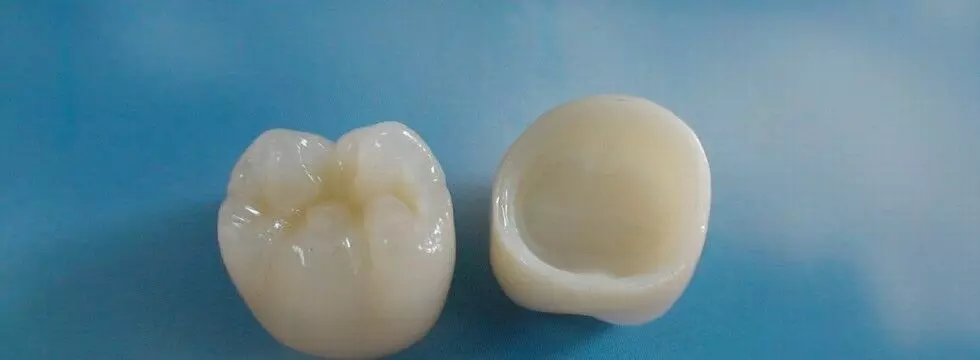


A new study published in the American Journal of Dentistry revealed that cavity depth and remaining tooth structure thickness significantly influence the accuracy of intraoral scanners (IOS) when capturing impressions for endocrown restorations.
This research evaluated how variations in tooth structure thickness and cavity depth influence the performance of intraoral scanners during endocrown procedures. Endocrowns are conservative restorations commonly used to rehabilitate endodontically treated molars, relying heavily on precise digital impressions for an accurate fit. As digital workflows become increasingly common in restorative practice, understanding factors that influence scanning reliability has become a clinical priority.
The study used a mandibular typodont model in which the left mandibular first molar was replaced with an extracted human tooth. Four different endocrown cavity configurations were created by combining two cavity depths (3.5 mm and 5 mm) with two remaining wall thicknesses (1.5 mm and 0.5 mm). These standardized preparations enabled the researchers to isolate the effects of cavity geometry on digital scanning performance.
Each master model was first scanned using a high-precision extraoral scanner to establish a reference dataset, which was exported in Standard Tessellation Language (STL) format. The investigators then performed ten intraoral scans for each experimental group using the TRIOS 3 intraoral scanner. Scan accuracy was assessed by measuring trueness with Root Mean Square (RMS) deviation values and precision using the Interquartile Range (IQR) in Geomagic Design X software. Statistical analyses, including Independent Samples t-tests and one-way ANOVA, were conducted to compare differences among the groups.
The results revealed statistically significant differences in both RMS and IQR values across the experimental groups (P < 0.001). Preparations featuring deeper cavities and thinner remaining tooth walls consistently demonstrated larger deviations from the reference scans, indicating lower trueness and reduced precision. In contrast, shallower cavity preparations with thicker remaining tooth structure produced more accurate and consistent digital impressions.
The findings highlight the influence of preparation design on the performance of intraoral scanners. Complex cavity geometries and limited remaining tooth structure appear to challenge the scanner's ability to accurately capture internal surfaces, potentially affecting the fit and longevity of digitally fabricated endocrown restorations.
Researchers conclude that clinicians should consider cavity depth and residual tooth thickness when planning endocrown treatments using digital impression systems. Optimizing preparation design may help improve scan quality, enhance restoration fit, and reduce the need for adjustments during clinical procedures. The study provides valuable evidence supporting the refinement of digital restorative protocols as intraoral scanning technology continues to evolve in modern dentistry.
Source:
Ozden, Y. E., Ozden, I., Ozkurt Kayahan, Z., & Kazazoglu, E. (2026). The impact of different cavity design parameters on intraoral scanner accuracy in endocrown restorations. American Journal of Dentistry, 39(4), 211-216. https://pubmed.ncbi.nlm.nih.gov/42571901/