Digital jaw motion tracking may enhance Occlusal and TMJ Assessment, finds research
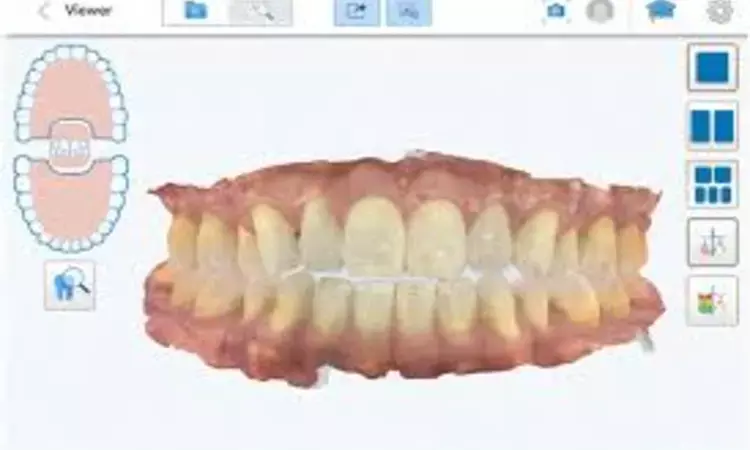


Researchers have found in a new research that Digital jaw motion tracking (JMT) technologies improve occlusal analysis and treatment planning, especially in prosthodontics and temporomandibular joint diagnostics. However, methodological inconsistencies and limited standardization highlight the need for rigorously designed studies to validate protocols, ensure clinical applicability, and confirm effectiveness across diverse populations.
This systematic review evaluates the accuracy, reliability, and clinical utility of jaw motion tracking (JMT) systems compared to traditional occlusal assessment methods, providing an overview of current evidence supporting their integration in dental practice. The review followed PRISMA guidelines (PROSPERO Registration: CRD42024567619). A comprehensive search was conducted in PubMed, Scopus, Web of Science, and the Cochrane Library (January 2005- December 2025) using predefined keywords related to jaw motion tracking systems and digital occlusal analysis. Studies were included if they assessed jaw motion tracking device performance in clinical, experimental, or in vitro settings, comparing them to conventional mechanical articulators or manual occlusal techniques. The QUADAS-2 tool evaluated study quality, focusing on bias, patient selection, and applicability concerns. Twenty studies met inclusion criteria, ranging from single-patient case studies to larger clinical trials. Optical tracking systems demonstrated higher precision and accuracy in recording mandibular movements compared to traditional methods. Jaw motion tracking systems showed potential in reducing chair time and improving prosthetic outcomes. The risk of bias was high, mainly due to small sample sizes and the lack of long-term evaluations.
Digital jaw motion tracking technologies improve occlusal assessment and treatment planning, particularly in prosthodontics and TMJ diagnostics. However, further research is needed to standardize protocols, validate these systems across diverse populations, and ensure clinical applicability. Despite the potential benefits, methodological inconsistencies highlight the need for more rigorously designed studies.
Reference:
Tafuri, Giuseppe, et al. "Jaw Tracking System in Digital Dentistry: a Systematic Review." The International Journal of Prosthodontics, vol. 0, no. 0, 2026, pp. 1-21.
Keywords:
Digital, jaw, motion, tracking, enhance, Occlusal, TMJ Assessment, Tafuri, Giuseppe,Tafuri, Giuseppe,The International Journal of Prosthodontics