
Double Crown Rescue Protocol Shows Promise for Cost-Effective Prosthetic Restoration: Study
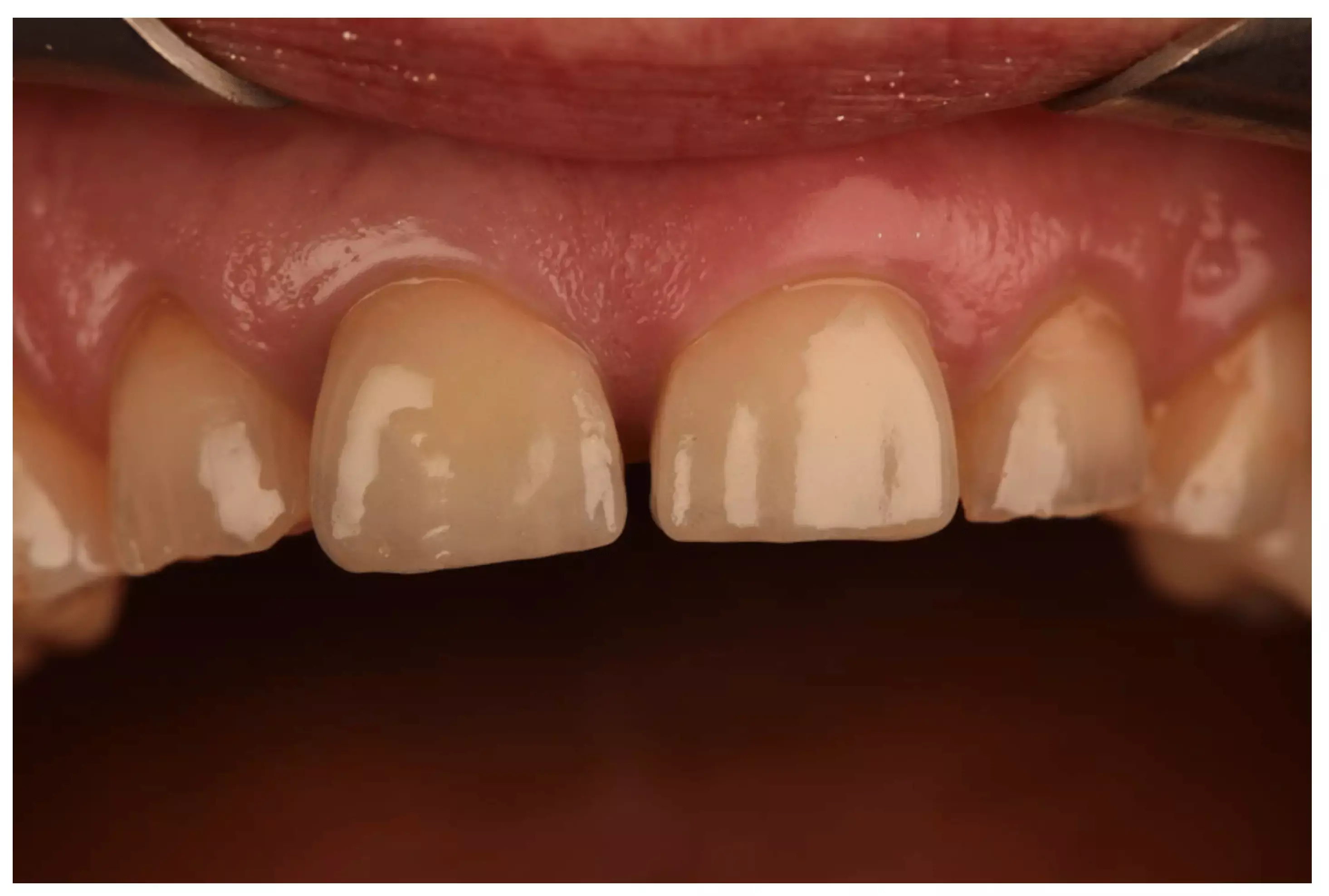


A new study published in the Journal of Prosthodontic Research showed that following abutment loss, a double crown rescue technique showed clinical success and effectiveness in repairing pre-existing prostheses.
When current prostheses fail, rehabilitation of the damaged dentition poses difficult biomechanical and budgetary obstacles. A highly predictable, less intrusive method for saving failing restorations without requiring total reconstruction is the implant-based digital double crown rescue approach. Through custom-milled telescopic crowns, this unique approach effortlessly combines new dental implants with existing abutments or teeth using sophisticated digital technology and accurate intraoral scanning. Clinicians may precisely refit a secondary detachable prosthesis over recently installed main implant crowns by using this digital double crown framework.
In addition to restoring ideal masticatory function and aesthetics, this method avoids surgical morbidity, drastically cuts down on clinical chair time, and offers patients with substantial prosthesis failure in contemporary dentistry a flexible, affordable lifeline. This observational clinical case series study set out to assess patient satisfaction, complication frequency, and survival rate after the implant-supported digital double crown rescue strategy was implemented.
The study involved 10 patients with a total of 15 superstructures who were treated using this idea at the Department of Prosthetic Dentistry, University Hospital, LMU Munich. To gauge their level of happiness and quality of life, the patients completed validated questionnaires and conducted clinical follow-up exams. Furthermore, problems were taken out of patient records in retrospect.
The restored main crowns, implants, and prosthesis all had 100% survival rates. There were no particular issues found with the double crown rescue procedure. Complications from implants were uncommon (n = 1).
Although biological problems (n = 4) and prosthetic events (n = 10) were more frequent, they were often manageable with minimal effort. In every category evaluated, patient satisfaction was extremely high.
Overall, the double crown rescue procedure was shown to be effective and successful in clinical settings. Using a totally digital procedure, it makes it possible to restore current prostheses in situations of abutment loss in a cost-effective and functional manner. Although more extensive research is required to validate these results, this strategy seems promising for routine clinical use given the high degree of patient satisfaction and the low rate of complications.
Source:
Schubert, O., Schweiger, J., Beuer, F., Güth, J.-F., Goob, J., & Urich, J. (2026). The implant-based digital double crown rescue protocol – Initial clinical and patient-reported outcomes. Journal of Prosthodontic Research, JPR_D_25_00194. https://doi.org/10.2186/jpr.jpr_d_25_00194

