
Early Childhood Caries Negatively Impacts Quality of Life, finds study
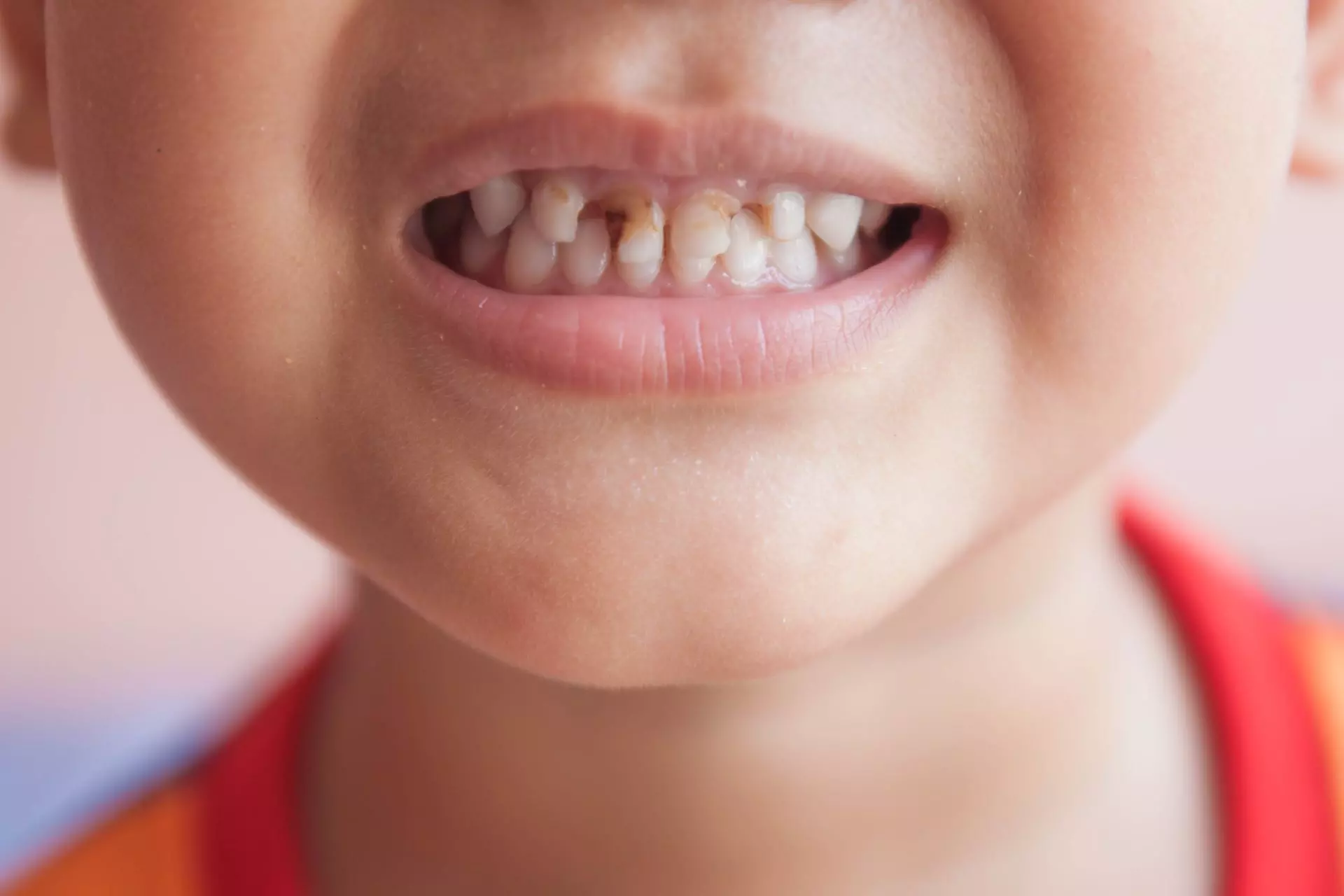


A new study published in the Journal of Clinical Medicine showed that preschoolers and their families who have early childhood caries (ECC) have lower oral health-related quality of life (OHRQoL). A major worldwide public health concern that affects children under 6 is ECC, which is extremely common and avoidable. Beyond physical symptoms, untreated ECC seriously disrupts a child's everyday functioning, resulting in pain, eating disorders, and sleep disruptions, as well as the general well-being of the family due to caregiver concern and disturbed routines.
As a result, evaluating oral health-related quality of life (OHRQoL) has emerged as a crucial patient-centered outcome. Parent-reported instruments such as the Early Childhood Oral Health Impact Scale (ECOHIS) are useful for measuring this in preschoolers. Current research is hampered by methodological variability involving different age groups and measurement instruments. Therefore, using the standardized ECOHIS score, this systematic review seeks to precisely assess whether the presence and severity of ECC are linked to worse OHRQoL in preschoolers.
The PRISMA 2020 standards were followed in the conduct and reporting of this systematic review. Primary observational studies published in the past ten years were found using electronic searches. Eligible studies comprised preschool children, clinically evaluated ECC/caries, and OHRQoL measured with ECOHIS or a validated, modified version. Study characteristics, caries evaluation, OHRQoL measurements, and key findings were all included in the data extraction. The Joanna Briggs Institute assessment methods were used to evaluate the risk of bias.
20 studies with sample sizes ranging from 151 to 1783 people were considered (19 cross-sectional and 1 cohort). ECC was consistently linked to worse OHRQoL in preschoolers and their families across a range of demographics and environments. Higher ECOHIS ratings were often associated with more severe caries, untreated lesions, and advanced disease outcomes. Also, pain, difficulty eating and drinking, sleep disruption, impatience, and family distress were the most impacted domains.
Overall, the methodological variability should be taken into consideration when interpreting the review's conclusions. The sample size, recruiting environment, caries thresholds, and severity classifications of the included research varied, and some employed wide DMFT grouping while others employed other strategies. The data that is currently available consistently shows that ECC is linked to worse OHRQoL in preschoolers and their families, especially when the illness is more severe or goes untreated.
Source:
Piekoszewska-Ziętek, P., Turska-Szybka, A., Szczepanik, A., & Olczak-Kowalczyk, D. (2026). Early childhood caries and oral health-related quality of life in preschool children: A systematic review. Journal of Clinical Medicine, 15(11), 4314. https://doi.org/10.3390/jcm15114314

