
Implants Without Primary Stability Can Achieve Acceptable Outcomes in Carefully Selected Cases: Study
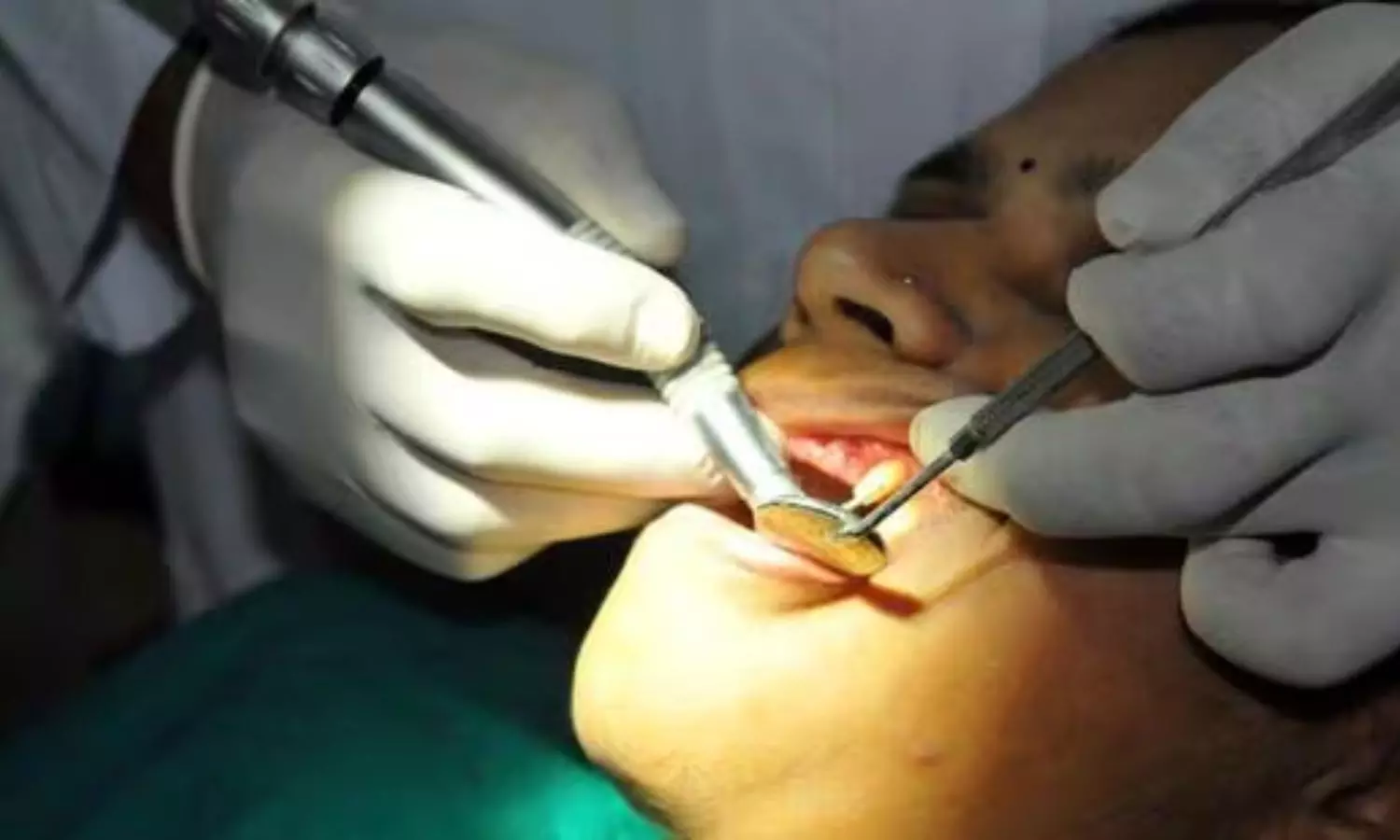


A new study published in the Galen Medical Journal found that among carefully selected patients, atraumatic implant placement with socket grafting and sealing for immediate sites, along with conservative loading protocols, can achieve clinically acceptable success rates even without primary mechanical stability. However, lack of primary stability remains a significant risk factor, particularly in the posterior maxilla and Type IV bone, and should not be considered a substitute for achieving stability. Further prospective multicenter studies using standardized Implant Stability Quotient (ISQ) monitoring are needed.
The study reviewed records of 63 patients who received 97 dental implants between January 2021 and September 2024. Three contemporary implant systems were included: Neodent GM Helix, Biotem AR, and MegaGen AnyOne. Of the implants, 76 were placed in the maxilla and 21 in the mandible.
This research defined the absence of primary stability as an insertion torque below 10 N·cm and/or intraoperative implant spinning. Despite this lack of initial mechanical stability, the overall implant success rate reached 95.9%, with 93 of 97 implants meeting the study's success criteria. The 95% confidence interval was 89.9%–98.4%.
Neodent GM Helix recorded 97.1% success, followed by MegaGen AnyOne at 95.7% and Biotem AR at 94.9%. Statistical analysis found no significant difference between the systems. Immediate implants achieved a 100% success rate, when compared to 94.6% for delayed implants. Although this difference was not statistically significant, all four early failures occurred among delayed implants.
No late implant failures were reported. Success reached 96.1% in the maxilla and 95.2% in the mandible, with no statistically significant difference. However, all recorded failures occurred in posterior regions and involved delayed placement. Anterior implants and immediately placed implants achieved 100% success in this series.
Also, this research found that systemic conditions including diabetes, hypertension and hypothyroidism were not associated with increased implant failure rates. For immediate-placement cases, the clinical protocol included grafting, while implants were submerged and generally uncovered at around 3 months and loaded at approximately 4 months. The approach emphasized atraumatic surgery, socket grafting and sealing, and delayed loading to minimize functional stress during healing.
Overall, implants lacking primary stability may achieve favorable outcomes in carefully selected situations. However, they caution that the absence of mechanical primary stability remains a potential risk factor, particularly when implants are placed in posterior regions with poor-quality, type IV bone.
Source:
Etezadinia, A., Salehivaziri, H., Mirmoezzi, S. M., Taghizadeh, E., & Mirmohammadi, S. M. M. (2025). Success of Dental Implants Placed Without Primary Stability: A Retrospective Study in a Private Practice :. Galen Medical Journal, 14(S Pt 1), e4114. https://doi.org/10.31661/gmj.v14iSP1.4114

