
Magnesium Coating on Titanium Implants Enhances Early Osseointegration: Study
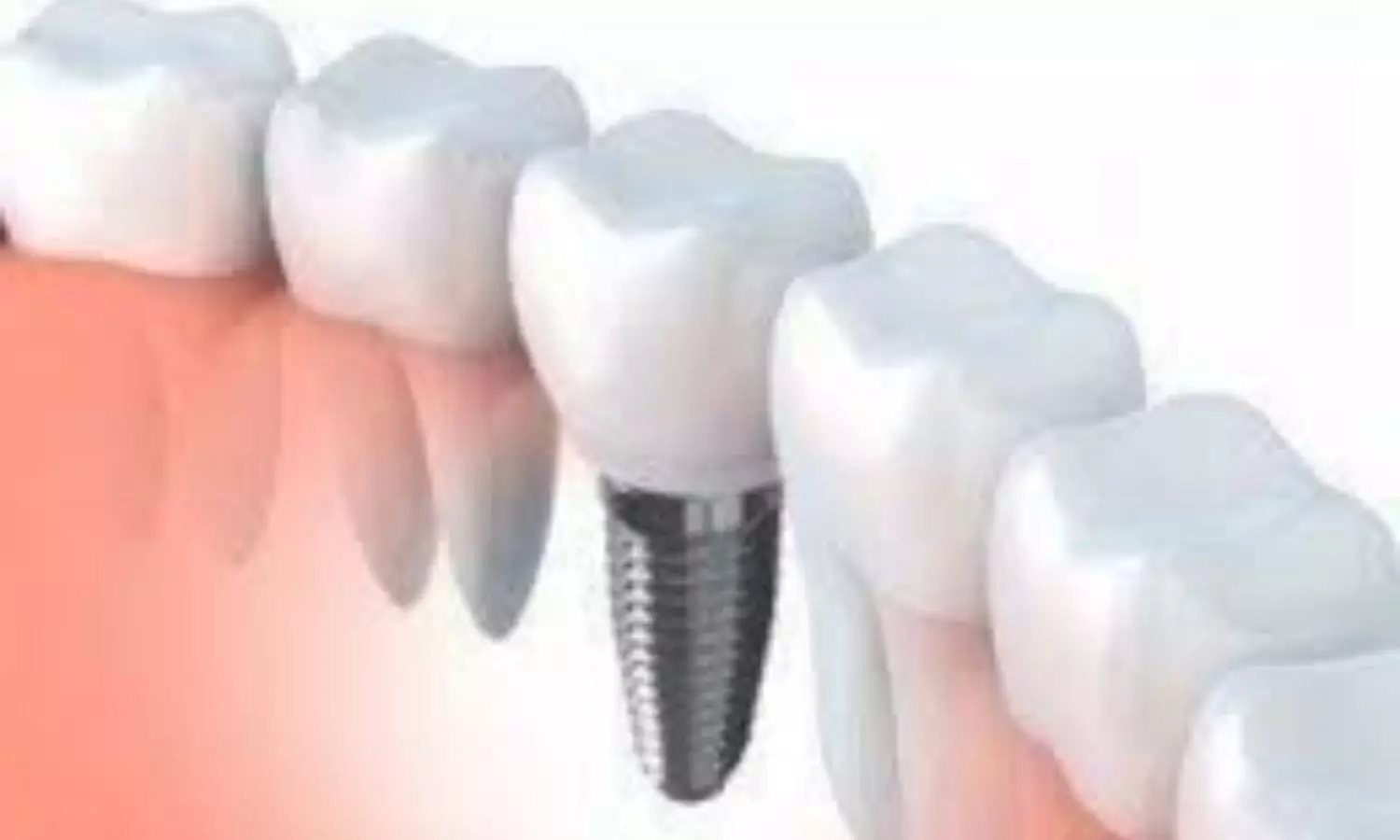


A recent study published in the Journal of Clinical Medicine revealed that magnesium coating or incorporation into titanium implant surfaces improves bone-implant contact (BIC) in preclinical models, which suggests enhanced early-stage osseointegration.
Titanium implants are widely used in modern dentistry because of their durability and compatibility with bone tissue. However, successful implantation depends on osseointegration and improving this process has been a major focus of biomaterials research.
Thus, this study evaluated how magnesium-modified titanium implants influence osseointegration and peri-implant bone formation in animal models. The team searched 3 major scientific databases for relevant studies published up to May 2025. Only controlled animal studies which compared magnesium-modified titanium implants with standard, unmodified titanium implants were included.
11 preclinical studies met the eligibility criteria where these experiments were conducted primarily in rabbit and rat models and used a variety of surface-engineering strategies to incorporate magnesium into implant materials. The techniques included magnesium ion implantation, magnesium-substituted hydroxyapatite coatings, mesoporous titania layers enriched with magnesium, and nanotubular surface structures designed to release magnesium ions gradually.
This research focused on bone-to-implant contact and bone area (BA) surrounding the implant. BIC measures the percentage of the implant surface directly bonded to bone and is widely considered a critical marker of osseointegration. BA reflects the amount of bone formed near the implant site.
Quality assessment using ARRIVE 2.0 reporting guidelines indicated that most of the included studies were methodologically strong, with ratings ranging from good to excellent and generally low to moderate risk of bias.
The meta-analysis revealed a clear and statistically significant improvement in bone-to-implant contact for magnesium-modified implants compared with conventional titanium implants. The pooled analysis produced a Z-score of 4.38 with a p-value below 0.001, indicating a strong positive effect of magnesium modification on early osseointegration.
The analysis did not find a statistically significant difference in bone area around the implants between magnesium-modified and unmodified groups. The pooled BA results showed a Z-score of 0.93 with a p-value of 0.35, suggesting that while magnesium may improve the interface bonding between bone and implant.
Overall, this study suggest that magnesium plays a beneficial role in enhancing early bone attachment to implant surfaces, which could improve initial implant stability. Magnesium is already known to influence bone metabolism, cell adhesion, and mineralization processes, making it a biologically attractive element for implant surface engineering. Further clinical trials in humans are necessary before magnesium-modified implants can be widely recommended in dental practice.
Source:
Alenezi, A., & Alasmari, D. (2026). Effect of magnesium-modified titanium implants on osseointegration: A systematic review and meta-analysis of preclinical studies. Journal of Clinical Medicine, 15(5), 1987. https://doi.org/10.3390/jcm15051987

