Novel Peptide-Based Agents effective for promoting Enamel Remineralization in primary teeth: Study
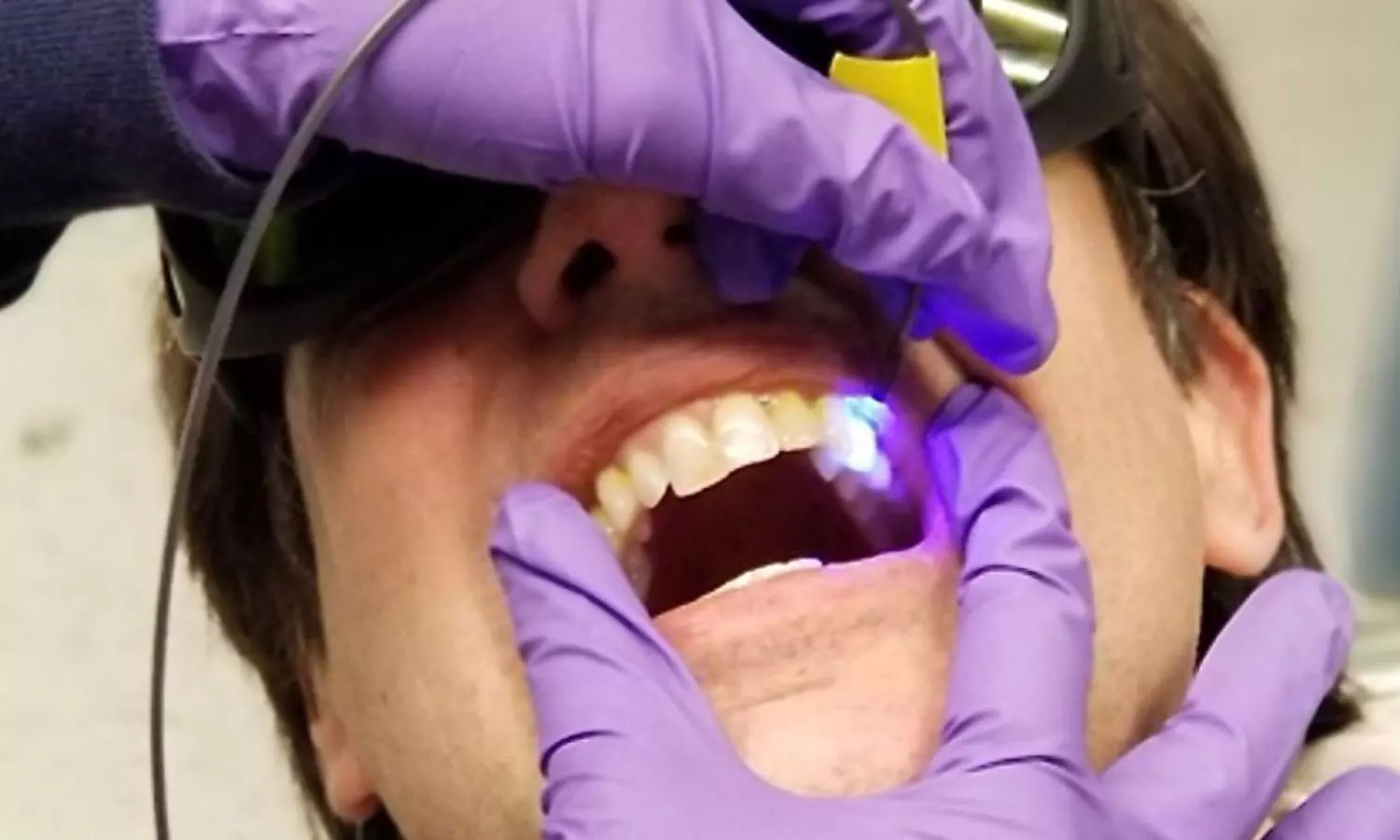


Researchers have discovered in a new research that novel peptide-based agents can effectively promote remineralization of early enamel lesions, especially in primary teeth. These agents show potential as promising alternatives to fluoride in pediatric dentistry. The study was published in the European Journal of Dentistry by Ozge E. G. and colleagues.
For the purpose of evaluating the effectiveness of such biomimetic materials for therapeutic purposes, the experiment was conducted as an extensive in vitro experiment, involving two separate stages, the pilot stage and the testing stage. To begin with, three new peptides (namely P1, P2, and P3) were successfully developed, featuring a unique combination of certain amino acids with high calcium affinity. In the pilot phase, 44 enamel specimens were treated with the peptides at doses of either 200 µg/mL or 400 µg/mL along with a fluoride-treatment group and a control group.
According to the outcomes obtained in the preliminary phase, two peptides, namely P2 and P3, were selected in the subsequent testing phase at an optimized dose of 800 µg/mL. For that purpose, a total of 144 enamel specimens underwent pH cycling test. Both deciduous and permanent enamel samples were subjected to a multi-day pH cycling schedule, mimicking the demineralization and remineralization process occurring inside a human oral cavity. The mineral alterations were determined by SEM-EDX technique.
Key findings:
- P2 treatment had a significant effect on increasing the concentration of Ca2+ in primary and permanent enamel samples relative to the control group (p < 0.05).
- The increase was more pronounced than that seen in the fluoride group, although this was not statistically significant (p > 0.05).
The current in vitro study indicates that there are highly efficient remineralization options using novel peptide-based drugs that can be considered highly efficient substitutes for fluoride in the treatment of early carious lesions, especially in primary teeth. The evidence of significantly elevated concentrations of calcium within tooth enamel that equals and even surpasses fluoride in its efficiency proves that the use of the newly designed peptides is scientifically sound.
While progressing with clinical studies towards in vivo experiments, such biocompatible agents can be considered very efficient and safe tools for use by dental specialists. The implementation of the peptides-based treatment will allow dramatically enhancing the effectiveness of preventive pediatric dentistry.
Reference:
Erken Gungor, O. et al. (2026) “Evaluation of a novel calcium-binding peptide for enamel remineralization: An in vitro SEM-EDX study,” European Journal of Dentistry [Preprint]. Available at: https://doi.org/10.1055/s-0046-1820116.