
Robotic Integration Provides Reproducible dental Implant Placement Precision, Suggests Review
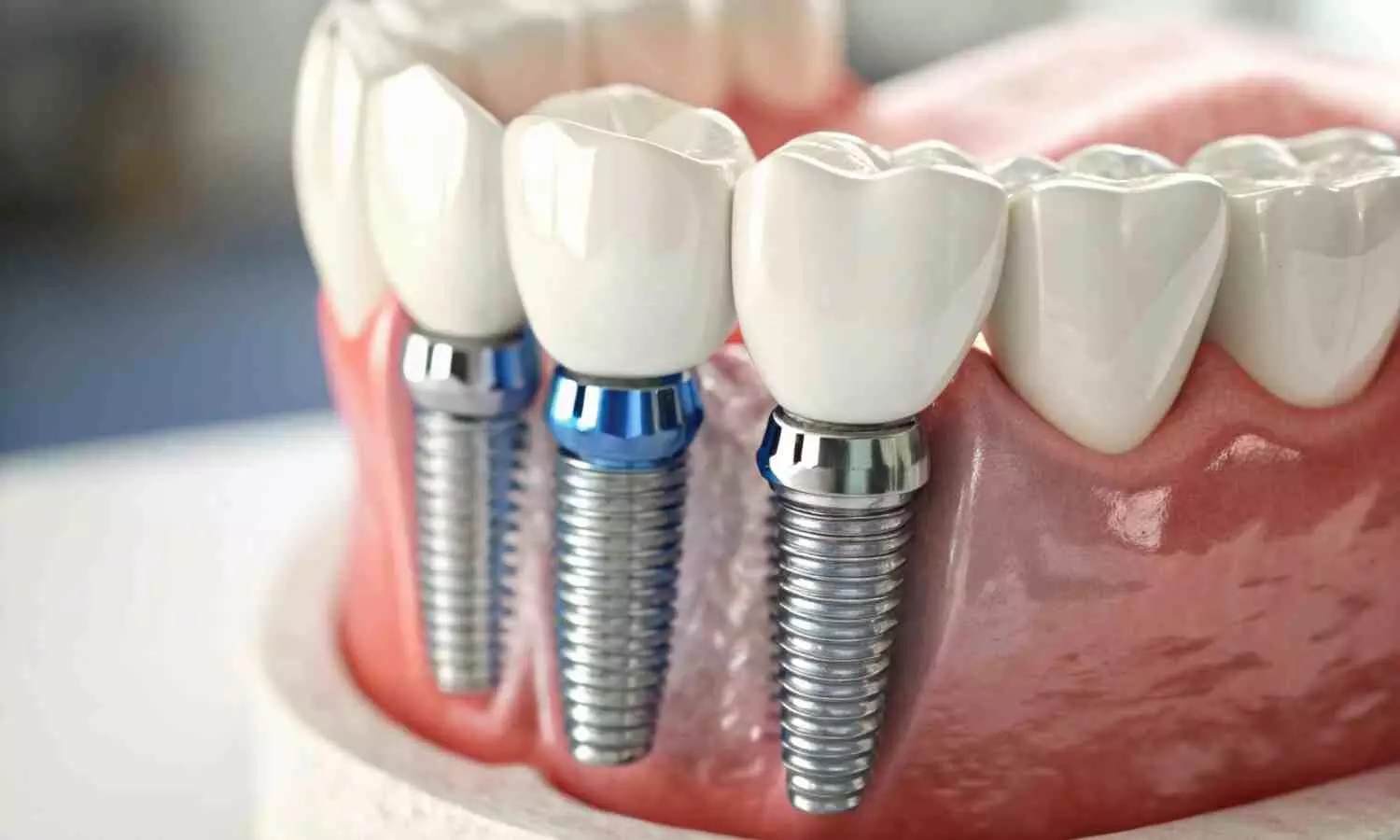


A recent exploration into autonomous dental systems has revealed that specialized industrial robots can now achieve a reproducible implant placement precision of ± 0.02 mm, marking a significant leap forward from manual surgical techniques, as highlighted in a recent study published in the Indian Journal of Dental Sciences in February 2026.
While artificial intelligence (AI) and robotics have evolved from science fiction to surgical reality over the last 80 years, a significant clinical gap remains in the standardization and precision of manual prosthodontic procedures. Consequently, Dr. Akanksha Awasthi and her colleagues from the Department of Prosthodontics at Himachal Dental College conducted the review to evaluate how integrating these technologies can bridge this gap by enhancing the accuracy and efficiency of modern prosthetic care.
Therefore, the narrative review synthesized current evidence on robotic applications, focusing on the performance of 6-degree-of-freedom (6-DOF) manipulators and haptic feedback systems across various clinical environments. The analysis evaluated a broad range of robotic devices—from automated tooth-arrangement systems to laser-guided preparation tools—while excluding non-autonomous digital techniques to specifically assess the primary endpoint of clinical readiness and the secondary endpoint of procedural safety.
The key clinical findings of the review include:
Precision Implantology: The study credits the YOMI system as the first Food and Drug Administration (FDA)-approved navigation tool that utilizes haptic robotic technology to provide physical direction, effectively limiting drill location and depth to enhance surgical accuracy.
Denture Automation: Research indicates that 6-DOF robots can efficiently place artificial teeth in centric occlusion for complete dentures by utilizing virtual dental arch curves tailored to patient-specific parameters.
Tissue-Preserving Preparation: The review identified the "Laser Bot" as a specialized device capable of performing 3-dimensional laser-guided crown preparations with high accuracy, ensuring minimal damage to healthy tooth structure.
Functional Rehabilitation: Specialized robotic devices like the Waseda-Asahi oral-rehabilitation robot No. 1 (WAO1) are now being utilized to treat temporomandibular joint (TMJ) disorders by providing targeted massage to masticatory muscles and facial tissues.
Antimicrobial Control: The study highlights the development of catalytic antimicrobial robots (CARs) that act as "kill-and-remove" systems, demonstrating the ability to physically and chemically degrade persistent oral biofilms.
The results suggest that while industrial robotic systems demonstrate a minute insertion variation of only 1.42 ± 0.70, the full integration of these "intelligentized" systems into daily practice is still in its early stages. These tools effectively supplement human limitations by extending the refined movements of the hand and eye beyond natural capabilities to provide a superior patient experience.
Thus, the review concludes clinicians should view these robotic advancements as sophisticated assistive tools that improve procedural safety and efficiency without replacing the essential need for expert clinical judgment and traditional dental skills.
The high cost of implementation and the requirement for specialized technical training remain significant barriers, emphasizing the need for future research focused on machine learning algorithms to improve customization and affordability in complex clinical scenarios.
Reference
Nagpal A, Gupta R, Awasthi A, Katna V, Kapoor H. Robotics in prosthodontics: A review of current technologies and future directions. Indian J Dent Sci 2026;18:34‑7.
