Severe Dental Trauma Significantly Impairs Oral Health-Related Quality of Life: Study
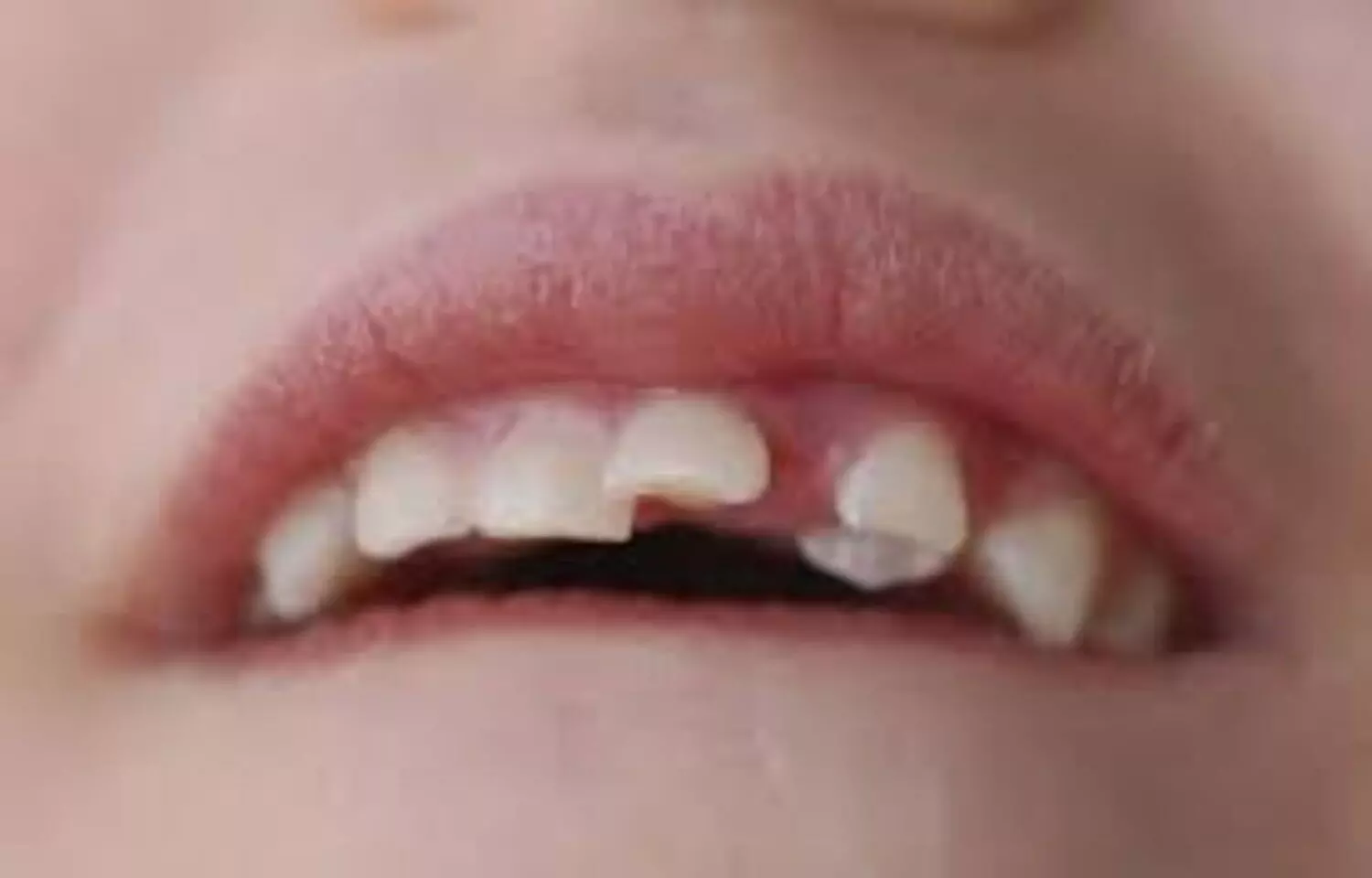


Researchers have found in a new study that among patients with Traumatic dental injuries, approximately 26% of participants experienced a severe negative impact on their oral health-related quality of life (OHRQoL). More severe injuries, associated soft-tissue damage, and recurrent episodes of dental trauma were all linked to poorer OHRQoL outcomes, highlighting the long-term physical and psychosocial burden of traumatic dental injuries.
Traumatic dental injuries (TDI) represent a significant public health concern, affecting nearly one in five children worldwide. Beyond clinical sequelae, TDI can profoundly influence functional ability, emotional well-being, and social interactions. However, evidence from hospital-based settings, particularly across diverse regions, remains limited. This study aimed to assess the oral health-related quality of life (OHRQoL) of children and adolescents presenting with TDI to a tertiary care hospital and to identify demographic, clinical, and trauma-related factors associated with severe impairment.
A cross-sectional analytical study was conducted among 266 children aged 8–16 years who had experienced TDI within the preceding 12 months. Dental injuries were diagnosed according to the International Association of Dental Traumatology (IADT, 2020) guidelines. OHRQoL was evaluated using the Child Oral Impacts on Daily Performance (C-OIDP) questionnaire. Associations between OHRQoL and demographic, clinical, and trauma-related variables were examined using univariate and multivariable logistic regression analyses.
Maxillary central incisors were most frequently affected, with uncomplicated crown fractures being the most common injury type (64.6%). Severe injuries accounted for about 32% of cases, and soft-tissue involvement was observed in 56% of patients. Most patients experienced delayed emergency care, with only 14% seeking treatment within 24 hours of injury. OHRQoL was substantially compromised: 93% reported awareness of broken teeth, 78% experienced sensitivity, and 67% expressed aesthetic concerns. Functional impacts included difficulties in eating (63%) and cleaning the mouth (48%), while emotional and social impacts included reluctance to smile (52%) and reduced interaction with peers (51%). Severe OHRQoL impairment (OIDP ≥ 8) was observed in about 26% of participants. Multivariable analysis identified trauma severity, repeated episodes, soft-tissue injury, aesthetic concerns, and eating difficulties as associated factors of severe OHRQoL impairment.
The severe impact on the OHRQoL was seen in about 26% participants. Greater injury severity, soft-tissue involvement, and repeated trauma episodes were associated with poorer oral health-related quality of life.
Reference:
Pamei, D., Tewari, N., Haldar, P. et al. Assessment of oral health related quality of life in children and adolescents affected by traumatic dental injuries: a hospital-based study. Eur Arch Paediatr Dent (2026). https://doi.org/10.1007/s40368-026-01243-6
Keywords:
Severe, Dental, Trauma, Significantly, Impairs, Oral Health-Related, Quality of Life, Study, European Archives of Paediatric Dentistry, Pamei, D., Tewari, N., Haldar, P, Tooth injuries, Adolescent, Pediatric dentistry