
Short Fiber-Reinforced Composite as Effective as Fiber Posts in Restoring Anterior Endodontically Treated Teeth: Study
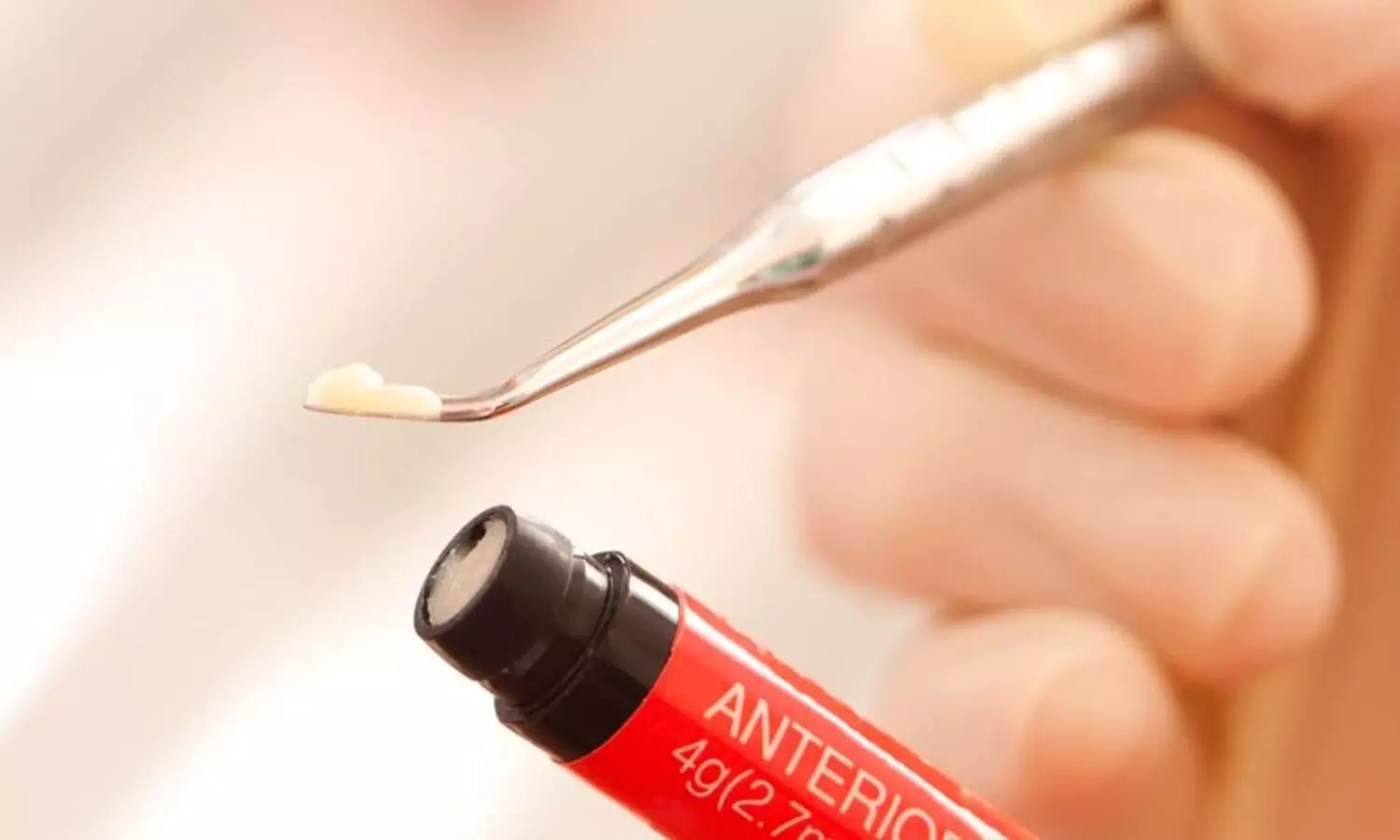


A new study published in the Journal of Dentistry showed that when more than 50% of the natural tooth structure was preserved and the teeth were covered with lithium disilicate crowns, there was no discernible difference in the results between anterior endodontically treated teeth (ETT) reconstructed with fiber posts and those restored with short fiber-reinforced composite (SFRC).
There are several clinical difficulties in the long-term restoration of ETT, especially when it comes to the requirement for conventional fiber supports. Although solid in vivo clinical evidence is still lacking, SFRCs have recently surfaced as a possible biomimetic substitute, showing outstanding fracture resistance and stress redistribution in laboratory experiments.
Concurrently, despite the fact that bruxism and frequent oral activities are common risk factors for restoration failure, most prosthodontic trials exclude patients with these conditions, creating a crucial information gap. This five-year randomized clinical experiment compares the results of SFRC post-and-core build-ups with conventional fiber posts for anterior ETT restored with lithium disilicate crowns in order to overcome these limitations.
Researchers recruited patients who required endodontic therapy and a single-unit complete crown restoration for anterior teeth (canines or incisors). Included were those teeth with more than 50% of their original tooth structure. The teeth have to be in interproximal contact with two neighboring natural teeth and in occlusal function with a natural antagonist tooth.
Patients were divided equally between the two experimental groups using a straightforward two-arm randomized design. The Oral Behavior Checklist was used to measure the variation in oral habits. The modified US Public Health Service criteria were applied in order to evaluate the prosthodontic result. The threshold for statistical analysis was set at p<0.05.
The results of this study demonstrated that the kind of build-up material, the high risk for oral behaviors (p=0.197), and prosthodontic failures (p=0.471) did not significantly correlate, according to the statistical analysis.
Overall, at five years of follow-up, the current RCT demonstrates no discernible difference in the results of anterior ETT with more than 50% of remaining tooth structure repaired with fiber post or fiber-reinforced composite. The frequency of oral behaviors and the number of prosthodontic failures did not significantly correlate. The results indicate that for the build-up of anterior root canal-treated teeth, short fiber-reinforced composite is a dependable substitute for fiber posts.
Reference:
Ferrari, M., Saracutu, O. I., Pontoriero, D. I. K., Gastaldi, G., Verniani, G., Manfredini, D., & Cagidiaco, E. F. (2026). Clinical outcome of fiber post and fiber-reinforced resin composite for the full crowns of anterior endodontically treated teeth: a 5-year randomized clinical trial. Journal of Dentistry, 106850,. https://doi.org/10.1016/j.jdent.2026.106850

