Solvent Use Offers No Significant Benefit in Endodontic Filling-Material Removal: Study
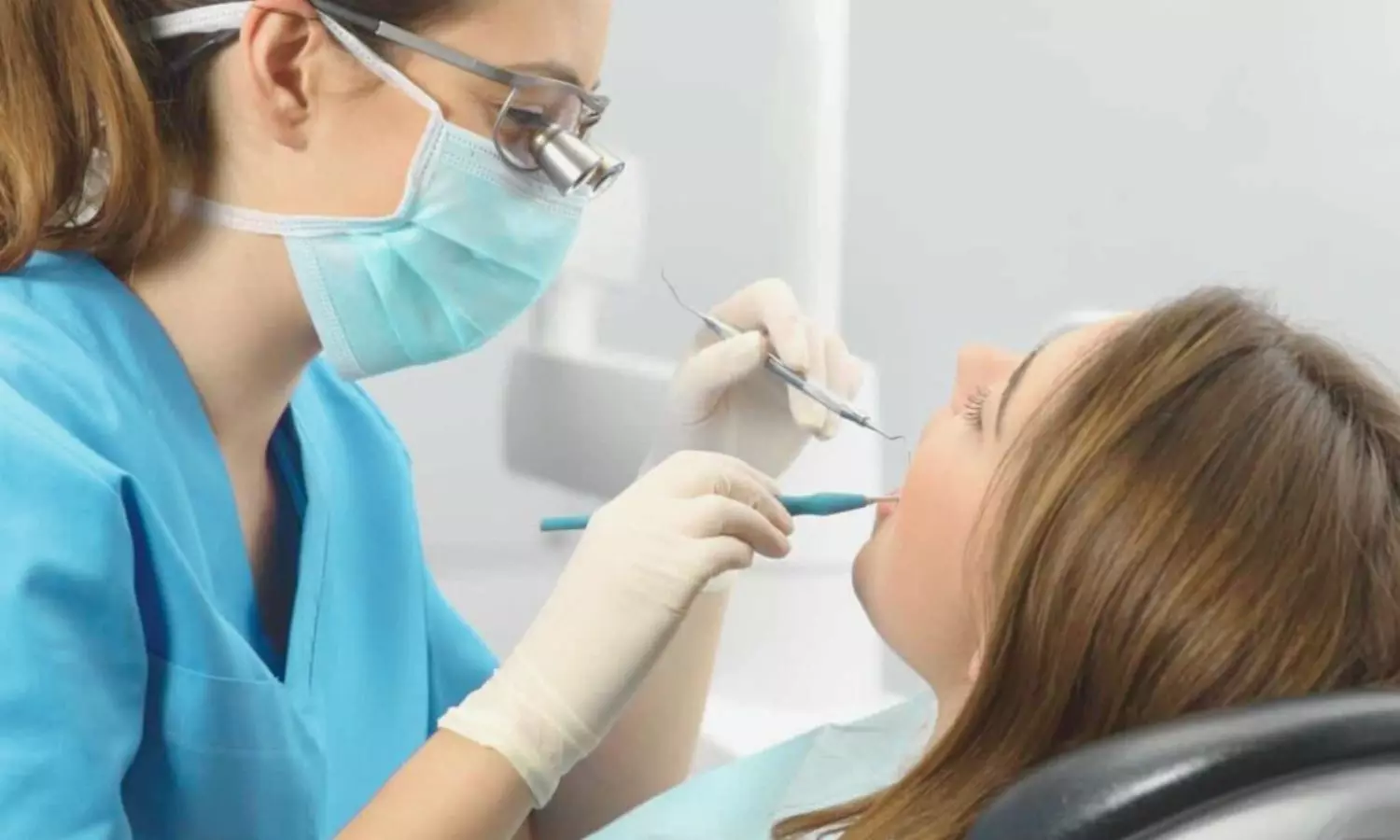


A new study published in the Iranian Endodontic Journal showed that the utilization of solvent does not provide any notable advantage in the elimination of endodontic filling material.
The goal of endodontic retreatment is to eradicate persistent infection by eliminating existing root canal filling materials while safeguarding dentinal structure. Solvents play a role in dissolving and extracting gutta-percha and sealers; nonetheless, their chemical composition can impact dentin microhardness, surface characteristics, and overall stability. These changes may influence the cleanliness of the canal, the effectiveness of retreatment, and the likelihood of future fractures.
Therefore, comprehending how solvent choice affects the removal of filling materials and dentinal health is crucial for enhancing retreatment procedures and enhancing the outcomes of endodontic therapy. This research utilized micro-computed tomography (micro-CT) to assess whether the use of solvents during endodontic retreatment affects the formation of dentinal defects and the removal of filling materials when compared to solely mechanical retreatment.
20 human mandibular molars were taken out, treated, and filled according to set procedures. They were then divided randomly into two groups: one for retreatment with solvent and the other without solvent (10 molars in each group). Micro-CT scans were taken before the initial treatment, after filling, and after retreatment, with a voxel size of 13.68 μm. Defects in the dentin were evaluated through axial images, and the amount of remaining filling material was measured in three dimensions in different parts of the tooth.
All specimens (0/20) showed no dentinal imperfections. Nevertheless, the 95% confidence interval precisely showed that a rare effect cannot be ruled out. Post-retreatment, filling material residue was found in every canal. There were no notable distinctions between the groups that used solvent and those that did not in terms of the volume of remaining filling material in any canal section after considering multiple comparisons (all adjusted P>0.05).
Overall, the application of solvents did not result in a notable enhancement in the elimination of filling material when compared to relying solely on mechanical retreatment. There were no observations of dentinal abnormalities in either of the groups; nevertheless, due to the preliminary nature of the dentinal-defect assessment and the restricted size of the sample, the possibility of a rare occurrence effect cannot be entirely ruled out.
Source:
Zümrütel, P., Haznedaroğlu, F., Keleş, A., & Kutlu Basmacı, G. (2026). Effect of solvent use on dentinal integrity and filling removal during endodontic retreatment: A micro-computed tomography study. Iranian Endodontic Journal, 21(1), e33. https://doi.org/10.22037/iej.v21i1.52809