
Tailored Multidisciplinary Approach Improves Management of Excessive Gingival Display, Suggests Review
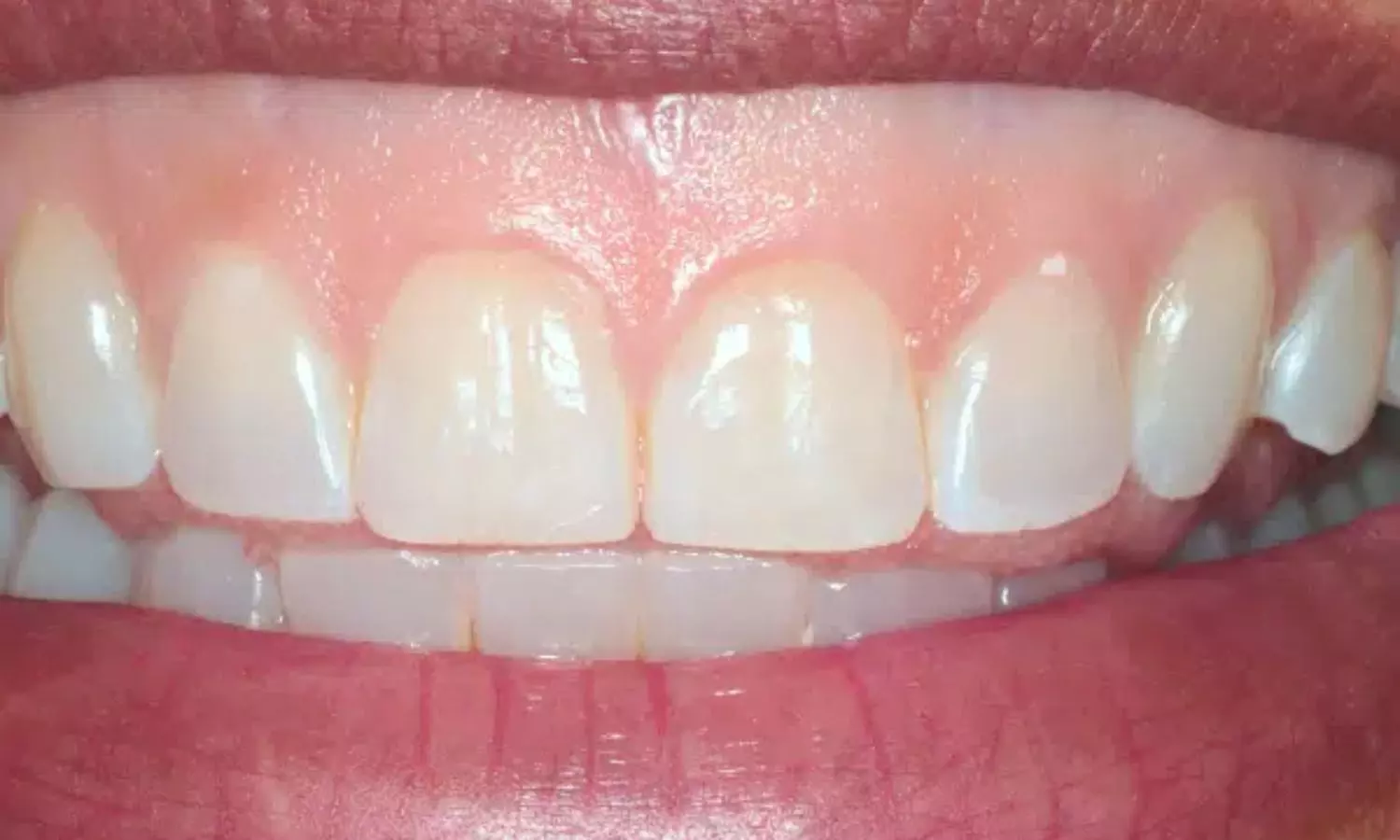


A recent clinical review published in the Indian J Dent Sci in February 2026 reveals that Excessive Gingival Display (EGD)-a prominent aesthetic and psychological burden affecting nearly 10% of adults aged 20 to 30-can now be seamlessly managed using highly tailored, multidisciplinary clinical interventions.
Although a normal smile exposes 1 to 2 mm of gingiva, the multifactorial etiology of Excessive Gingival Display (EGD) often complicates clinical outcomes. To address this, Pareek et al. reviewed diagnostic protocols to accurately align specific etiologies with tailored therapeutic interventions.
Therefore, the clinical review synthesized existing literature to evaluate diagnostic parameters and treatment protocols for excessive gingival display across a broad patient demographic. The study primarily focused on accurately correlating specific etiologies—such as muscular hyperactivity, skeletal discrepancies, and altered passive eruption—with their targeted conservative or surgical interventions.
Key Clinical Findings of the Review Includes:
• Hyperactive Musculature: Reviewers noted that excessive lip elevation driven by hyperactive levator muscles, which can drastically exceed the normal functional movement limits, is highly responsive to minimally invasive Botulinum toxin A or Hyaluronic Acid (HA) therapies that temporarily restrict muscle pull.
• Altered Passive Eruption: Investigators highlighted that when a patient's Cementoenamel Junction (CEJ) remains buried up to ten millimeters below the free gingival margin due to failed downward migration, definitive surgical interventions such as a targeted gingivectomy combined with osseous resection are fundamentally imperative to restore a proper biological width.
• Vertical Maxillary Excess: Researchers established that pronounced skeletal overgrowth of the upper jaw, known as Vertical Maxillary Excess (VME) and frequently accompanied by an altered occlusal plane, strictly necessitates comprehensive cephalometric analysis followed by advanced orthognathic surgery to achieve harmonious facial proportions.
• Short Upper Lip: Analysts documented that a resting upper lip measuring less than the average twenty to twenty-four millimeters in young adult females provides insufficient gingival coverage, thereby requiring specialized soft-tissue management like lip repositioning surgery to physically limit upward mucosal movement.
The results suggest that the successful and predictable resolution of a gummy smile is entirely contingent upon accurately identifying its specific, often concurrent, multifactorial etiologies rather than applying a universal treatment approach. Through precise clinical diagnosis, dental practitioners can confidently deploy customized, severity-matched therapies that yield significant, aesthetically pleasing, and lasting enhancements for their patients.
Thus, the review concludes that healthcare professionals should adopt a comprehensive, multidisciplinary diagnostic approach that incorporates detailed facial, dynamic lip, and periodontal evaluations to ensure that any chosen intervention addresses both the aesthetic desires and the functional needs of the patient effectively.
While the comprehensive review robustly outlines highly effective current therapeutic strategies, it inherently notes that less invasive conservative options may only offer temporary relief, subtly indicating an underlying need for future long-term clinical research to better understand the enduring stability and overall satisfaction associated with combined surgical and non-surgical approaches.
Reference
Pareek B, Bhasker A, Guirado JL, Jindal V, Kumari M, Jindal V. Gummy smile: Etiological factors and treatment modalities. Indian J Dent Sci 2026;18:48-52.
