
Tooth Loss Linked to Poor Glycemic Control in Older Women With Diabetes, Finds Study
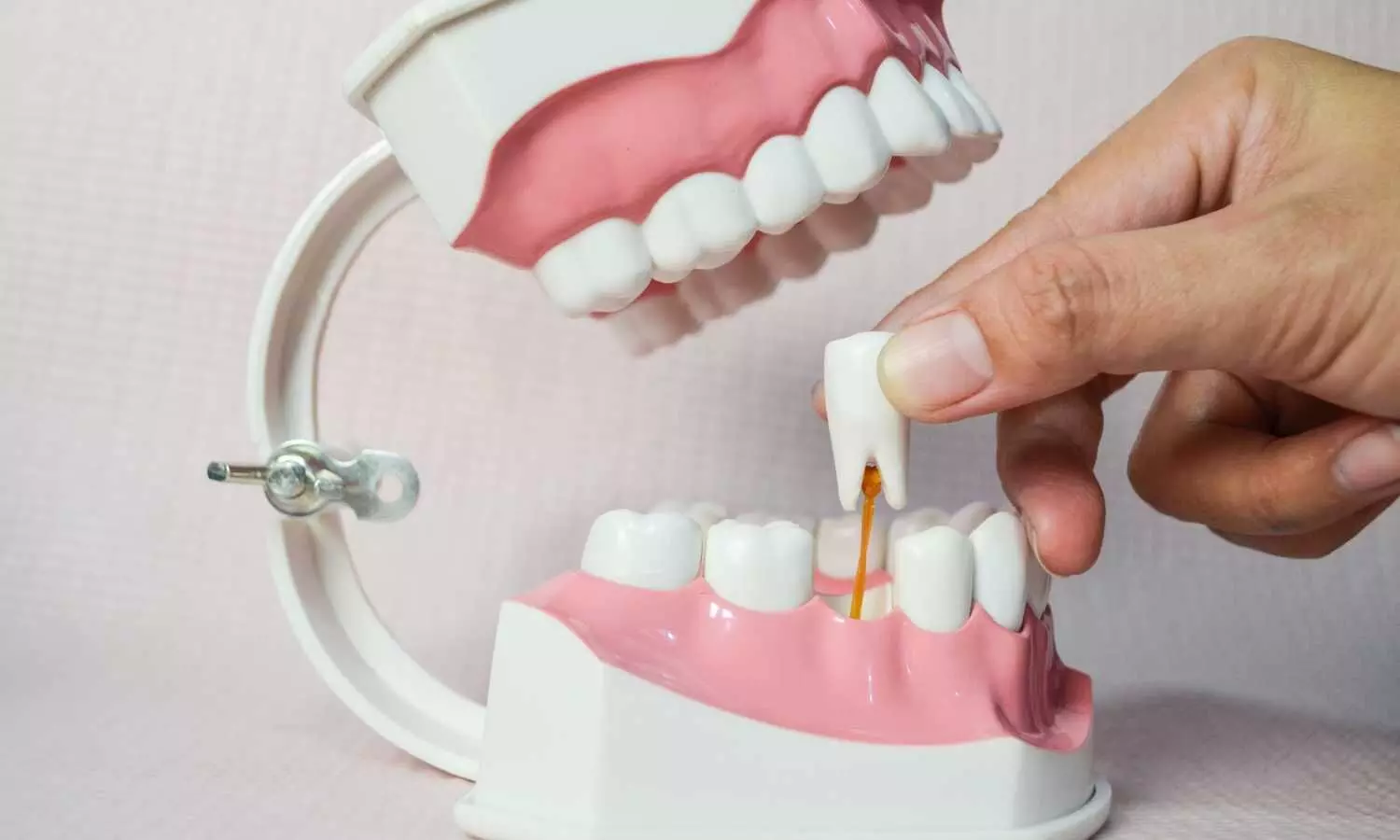


Korea: A study has found that tooth loss is linked with poorer glycemic control in women with type 2 diabetes, with the strongest association observed in those aged 60 years and older. Researchers reported that women with fewer remaining teeth had significantly higher odds of uncontrolled diabetes, regardless of the presence of periodontitis, suggesting that oral health status may independently influence metabolic control.
The findings are based on data from the 2014–2018 Korea National Health and Nutrition Examination Survey (KNHANES) and were published in Clinical and Experimental Dental Research. The study was led by Eun Sik Lee and colleagues at Korea University Anam Hospital. Researchers analyzed 2,146 adults aged 40 years and older with diabetes, categorizing them based on the number of remaining teeth: 0–19, 20–27, and 28 or more.
Glycemic status was assessed using HbA1c levels, with uncontrolled diabetes defined as HbA1c ≥6.5% and poorer control defined as HbA1c ≥7.0%.
The following were the key findings:
- After adjusting for multiple demographic and health-related factors, a sex-specific pattern was observed.
- No significant association between tooth loss and glycemic outcomes was found in men.
- In women, fewer remaining teeth were consistently associated with poorer glycemic control.
- Each additional tooth in women was linked to a lower risk of uncontrolled diabetes.
- Compared with women having ≥28 teeth, those with 20–27 teeth showed a moderately higher risk of poor glycemic control.
- Women with 0–19 teeth had the highest likelihood of uncontrolled diabetes and poor glycemic status.
- The association remained significant across both middle-aged and older female groups.
- In women aged ≥60 years, the relationship was particularly strong.
- Severe tooth loss in this age group was associated with nearly double the risk of uncontrolled diabetes.
- Older women with significant tooth loss also had substantially higher odds of poorer glycemic control compared to those with most teeth intact.
- The findings suggest a strong link between declining oral health and worsening metabolic status in older women with diabetes.
- The association persisted even after adjusting for periodontitis.
- This indicates that tooth loss itself, beyond gum disease, may influence diabetes control.
- Researchers suggest possible contributing factors such as dental caries, long-term oral health deterioration, and nutritional changes.
The authors caution that the cross-sectional nature of the study limits causal interpretation. Additionally, lack of detailed dental history, dietary data, and specific periodontal measurements may have influenced the findings. The analysis was also restricted to a Korean population, which may limit generalizability.
Despite these limitations, the study highlights a potentially important clinical link between oral health and metabolic control. The findings support closer integration of dental assessments into routine diabetes management, particularly for older women, where the association appears strongest. Researchers emphasize the need for larger longitudinal studies to better understand the direction and mechanisms of this relationship.
Reference:
Lee, E. S., Lee, G. B., Her, Y., Shin, K. E., Cho, K. H., Han, K., Chang, N. W., Lee, Y., Han, B., & Kim, Y. H. (2026). Tooth Loss and Uncontrolled Diabetes Among Korean Adults With Type 2 Diabetes: Insights From the Korea National Health and Nutrition Examination Survey (KNHANES) 2014–2018. Clinical and Experimental Dental Research, 12(3), e70371. https://doi.org/10.1002/cre2.70371

Next Story