
Uncontrolled Diabetes Does Not Significantly Affect Early Implant Failure Rates, Suggests Research
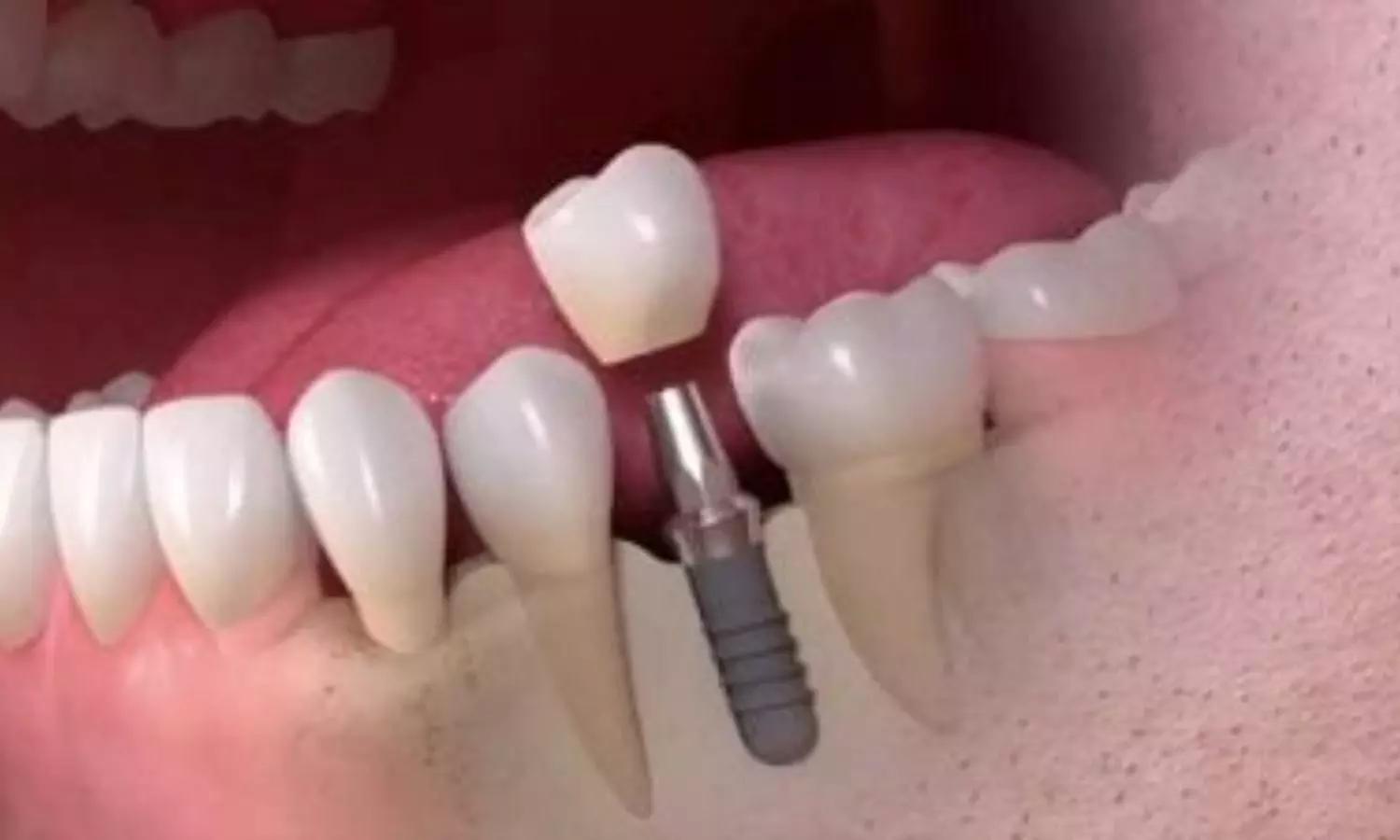


Israel: Although uncontrolled diabetes mellitus (DM) may pose challenges in implant dentistry, including younger age at implant placement, greater need for bone augmentation, and differences in preferred implant sites, it does not significantly increase early implant failure (EIF) rates.
These findings are from a retrospective cohort study published in Dental and Medical Problems by Daya Masri, Department of Oral and Maxillofacial Surgery, Rabin Medical Center, Petah Tiqwa, Israel, and colleagues. The study examined whether poor glycemic control influences the likelihood of early dental implant failure among patients with diabetes, addressing ongoing concerns about the safety and success of implant therapy in this population.
Diabetes has been associated with several oral health complications, including periodontitis, reduced salivary secretion, and impaired inflammatory responses. Chronic hyperglycemia may also interfere with healing processes, raising concerns about its potential impact on dental implant integration and survival. However, evidence regarding the relationship between glycemic control and early implant failure remains inconclusive.
To investigate this association, the researchers conducted a five-year retrospective analysis of electronic medical records at a tertiary referral centre. The study included 100 patients with diabetes who received a total of 427 dental implants.
The researchers collected information on patients' demographic characteristics, underlying systemic conditions, glycated hemoglobin (HbA1c) levels, surgical procedures, and implant-related factors. Patients were classified according to their glycemic control, with HbA1c levels above 8% considered indicative of uncontrolled diabetes. Statistical analyses were performed to determine whether glycemic status was associated with early implant failure and other treatment-related variables.
The analysis revealed the following findings:
- Uncontrolled diabetes, identified in 17 patients, was not a statistically significant predictor of early implant failure.
- Patients with uncontrolled diabetes were younger at the time of implant placement, with a mean age of 62.8 years compared with 67.8 years among those with better glycemic control.
- Bone augmentation was considerably more frequent among patients with uncontrolled diabetes (90.8%) than those with controlled diabetes (45.0%).
- Longer implants were used in patients with uncontrolled diabetes, with a mean implant length of 11.8 mm compared with 11.4 mm in the controlled group.
- Implant placement in the anterior maxilla was more common among patients with uncontrolled diabetes (22.4% versus 11.1%).
- Early implant failure was more frequently observed in implants placed in augmented bone, while lower failure rates were noted in the anterior and premolar regions of the maxilla.
The findings suggest that poor glycemic control may increase surgical complexity and the need for bone augmentation but was not significantly associated with early implant failure.
The study's limitations included its retrospective design, small sample size, and variations in surgical techniques among operators. Data on antidiabetic medication use and changes in HbA1c levels over time were also unavailable. Selection bias may have influenced the findings, as patients with uncontrolled diabetes may have been advised to improve glycemic control before implant procedures.
Overall, the findings suggest that uncontrolled diabetes alone may not be an absolute contraindication to dental implant therapy. However, larger prospective studies are needed to confirm these results.
Reference:
Masri D, Jonas E, Avishai G, Masri-Iraqi H, Kahn A, Chaushu L. Impact of glycemic control on early implant failure: A retrospective cohort study. Dent Med Probl. 2026;63(5):1095–1105. doi:10.17219/dmp/204640

Next Story