
Low-Dose Oral Minoxidil for Pediatric Hair Disorders: International Experts Issue Consensus Recommendations
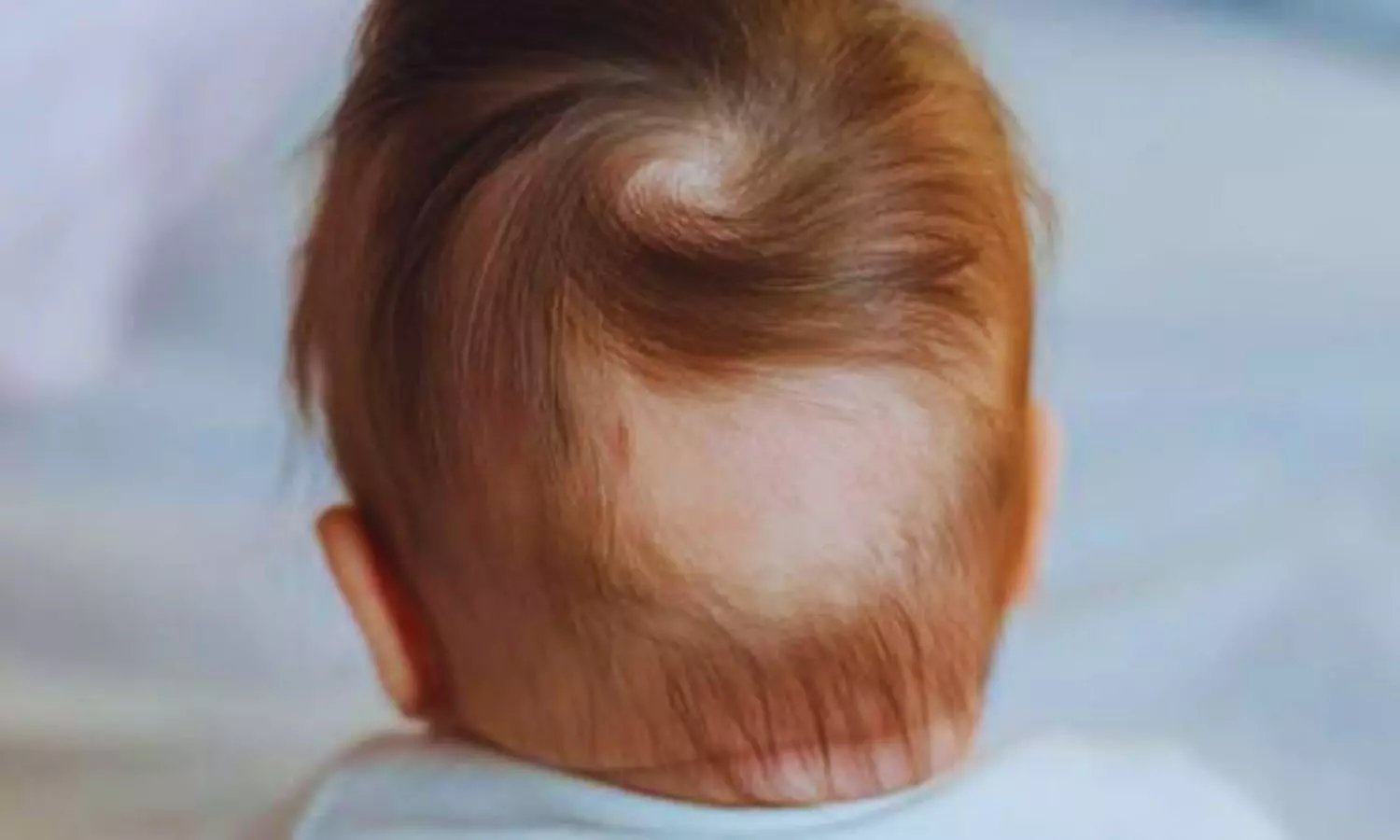


USA: Low-dose oral minoxidil (LDOM) may be considered for selected children with hair disorders, with treatment tailored according to the underlying condition, body weight, potential risks, and treatment response, according to an international consensus statement published in JAMA Dermatology. The recommendations, led by Yagiz Matthew Akiska, Department of Dermatology, George Washington University School of Medicine and Health Sciences, Washington, DC, and colleagues, guide the off-label use of LDOM in children aged 4 to younger than 12 years.
LDOM is increasingly being used in pediatric dermatology, but standardized recommendations regarding patient selection, dosing, safety, and monitoring have been lacking. The experts therefore conducted a modified Delphi process from June 30, 2025, to March 7, 2026, using evidence on LDOM pharmacology, safety, and clinical use.
Of 98 clinicians completing the prescreening survey, 51 met eligibility criteria based on experience treating more than 10 pediatric patients with LDOM. Fifty experts from nine countries completed the first two rounds, and 49 completed the third, giving a 98% retention rate. Overall, 84 of 127 proposed recommendations achieved at least 70% agreement and were incorporated into the final consensus.
Key consensus recommendations included:
- Eligible age: LDOM can be prescribed in children aged 4 to younger than 12 years, with selection based on the indication and individual benefit-risk assessment. Consensus was not reached for routine use in children younger than 4 years.
- Indications: There was 100% agreement for use in hair follicle miniaturization, including androgenetic alopecia, traction alopecia, and alopecia areata, as well as hair cycle abnormalities such as loose anagen hair syndrome, short anagen syndrome, and telogen effluvium. Hair shaft disorders received 84% consensus.
- Scarring alopecia: LDOM may be used as an adjunct when residual hairs show miniaturization or another treatable hair abnormality, although established scarred follicles cannot be restored (98% agreement).
- Preference over topical minoxidil: Oral therapy may be favored when topical treatment is difficult or time-consuming, causes residue or hair-texture problems, worsens scalp inflammation, has inadequate efficacy, or is poorly tolerated because of sensory sensitivities. Caregiver preference, diffuse hair loss, and concerns about topical minoxidil toxicity to household pets were also considered.
- Contraindications: A history of pericardial effusion or tamponade and pheochromocytoma were identified as contraindications.
- Precautions: Caution was advised in children with hypotension or low-normal blood pressure, arrhythmias, pericarditis, pulmonary hypertension, congenital heart disease, kidney or liver impairment, dialysis, relevant family cardiac history, or concomitant cardiovascular or vasodilatory medications.
- Baseline testing: Routine testing is not necessarily required in low-risk children. Laboratory investigations, ECG, and blood pressure assessment may be considered when a precaution or contraindication is identified.
- Dosing: Both fixed weight-based and mg/kg approaches were supported. Suggested fixed doses were 0.25–0.625 mg/day for children weighing less than 20 kg, 1.25 mg/day for 20 to 40 kg, and 1.875 mg/day for those above 40 kg. Alternatively, an initial dose of 0.01–0.02 mg/kg/day may be considered.
- Dose adjustment: Doses may be increased by 50% to 100% of the starting dose based on clinical response and tolerability. Dose review is generally recommended every 3 to 6 months, unless earlier adjustment is needed.
- Treatment duration: LDOM can be used as long-term therapy for chronic hair disorders. Families should be informed that hair loss may recur after discontinuation. Once treatment goals are achieved, tapering to the lowest effective maintenance dose may be considered.
- Combination treatment: LDOM may be combined with spironolactone, corticosteroids, Janus kinase inhibitors, or other immunosuppressive therapies when appropriate for the underlying hair disorder.
- Adverse effects: Families should monitor for dizziness or light-headedness, abnormal heartbeat, swelling of the legs, hypertrichosis, headache, facial swelling, abnormal weight gain, and allergic reactions. Unexplained vision loss should prompt urgent ophthalmologic evaluation.
- Expected response: Visible improvement is generally expected after at least 3 months, with improvement most commonly occurring between 3 and 12 months.
- Follow-up: Photographs should be used to document hair regrowth, while adverse effects and psychological or quality-of-life effects should be assessed. Once clinically stable, follow-up every 6 to 12 months was supported.
The experts also noted that children who experience irritation with topical minoxidil may still tolerate the oral formulation. Patch testing can help distinguish sensitivity to minoxidil itself from reactions to inactive ingredients such as propylene glycol.
The consensus highlighted practical challenges in pediatric dosing. Tablets are widely available but offer limited dose flexibility, whereas compounded liquid preparations allow finer dosing but may carry risks of compounding or dosing errors. The experts emphasized the need for pediatric-specific formulations and further prospective research.
Importantly, the recommendations represent expert consensus rather than evidence establishing LDOM efficacy. The authors noted that prospective pediatric trials are needed to determine optimal dosing, effectiveness, and long-term safety. Limitations included the reliance on expert opinion and potential selection bias because participating clinicians had previous experience prescribing LDOM to children.
Overall, the consensus provides a structured framework for clinicians considering LDOM in children aged 4 to younger than 12 years, while emphasizing individualized treatment and the continuing need for stronger pediatric clinical evidence.
Reference:
Akiska YM, Fu J, Castelo-Soccio L, Mathes E, Mirmirani P, Jamerson T, Sibbald C; and The Pediatric Low-Dose Oral Minoxidil Consensus Expert Group; Spagnol Abraham L, Ali A, Arkin LM, Asfour L, Austin K, Bhoyrul B, Buethe MG, Callender VD, Cheng CE, Chitreddy V, Craddock M, Cranwell W, Craiglow BG, Desai NS, Doche I, Duque-Estrada B, Eisman S, Friedman A, Giacaman A, Hordinsky M, Jabbari A, Kang HB, King B, Kushnir-Grinbaum D, Mesinkovska N, Netravali IA, Oboite M, Olsen EA, Orlow SJ, Oza VS, Ovcharenko Y, Paller A, Patel S, Piliang M, Pirmez R, Rakowska A, Müller-Ramos P, Saceda-Corralo D, Salkey KS, Bellodi Schmidt F, Sinclair R, Lo Sicco K, Soung J, Steuer M, Senna MM, Tarbox M, Tosti A, Turbeville J, Wall D. Low-Dose Oral Minoxidil Use for Pediatric Hair Disorders: An International Consensus Statement. JAMA Dermatol. 2026 Sep 30. doi: 10.1001/jamadermatol.2026.3749. Epub ahead of print. PMID: 42814435.

Next Story