Androgenetic alopecia significantly associated with higher levels of anxiety, depression, and perceived stress: Study
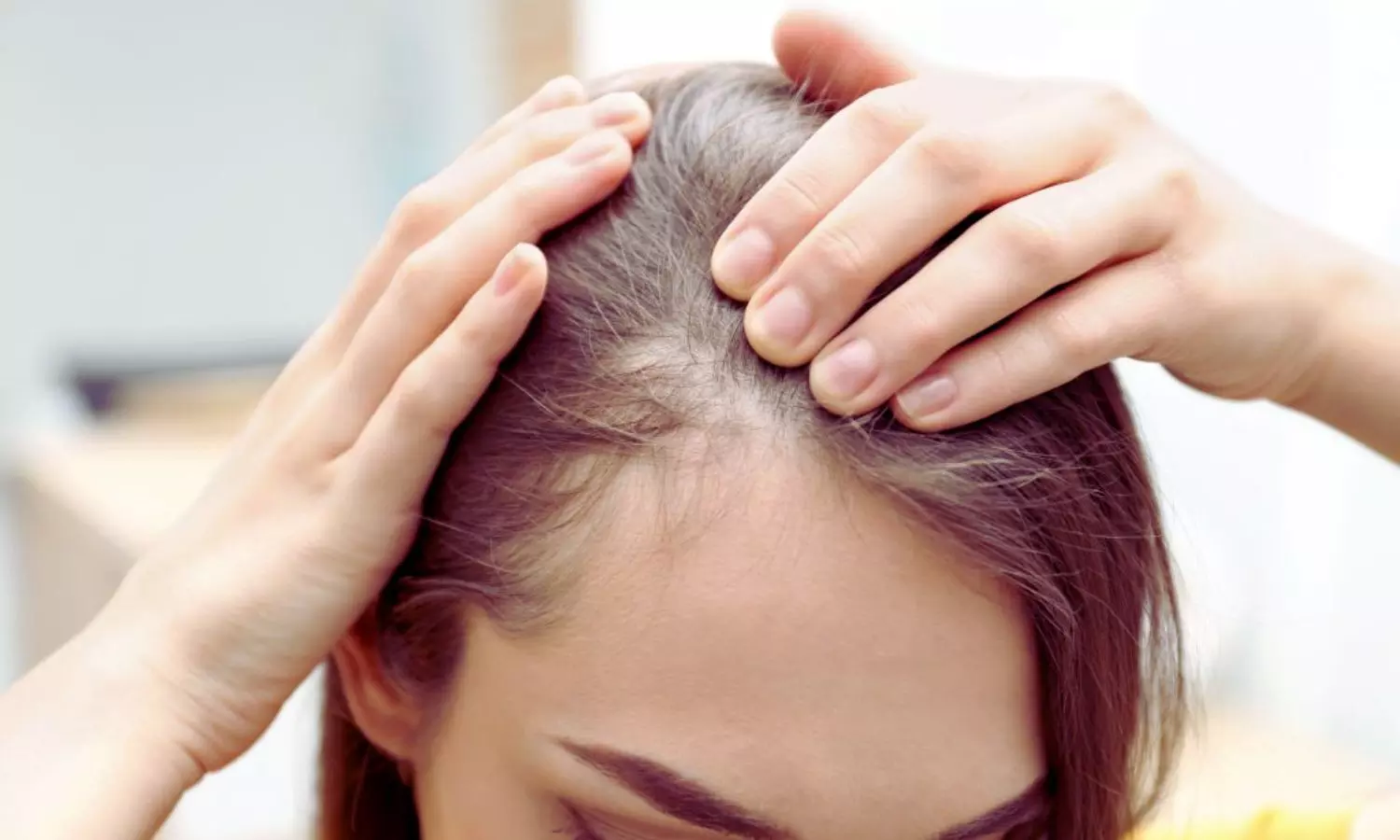


Researchers have found in a new study that androgenetic alopecia is associated with significantly higher levels of generalized anxiety, social anxiety, depression, and perceived stress compared with individuals without the condition. These psychological effects negatively impact quality of life and social functioning. The condition is highly prevalent, affecting up to 50% of men by age 50 and approximately 30–40% of women between 60–69 years of age.
Androgenetic alopecia (AGA) is a prevalent chronic condition with health burden, yet its association with psychological well-being remains inconsistent. This study systematically examines differences in psychological well-being between Androgenetic alopecia patients and non-Androgenetic alopecia controls, focusing on symptoms of anxiety, symptoms of depression, stress, and other psychological issues. Following the Preferred Reporting Items for Systematic Reviews and Meta-Analyses guidelines, a systematic search was conducted across 7 databases (CNKI, Wanfang, PubMed, Web of Science, Cochrane, EMBASE, EBSCO series) from their inception to June 30, 2025. A total of 13 studies were included, comprising 2,737 AGA patients and 17,382 controls.
Study quality was assessed using the Agency for Healthcare Research and Quality (AHRQ) tool for cross-sectional studies and Newcastle-Ottawa Scale (NOS) for case-control studies. Effect sizes were pooled using a random-effects model, supplemented by sensitivity analysis and publication bias assessment to ensure the robustness of the results.
Results: Compared to non-Androgenetic alopecia controls, Androgenetic alopecia patients demonstrated significantly higher levels of generalized anxiety symptoms (pooled SMD = -0.50, 95% CI [-0.99, 0.00], p = 0.05), social anxiety symptoms (pooled SMD = -0.50, 95% CI [-0.84,-0.16], p = 0.004), depression symptoms (pooled SMD = -0.38, 95% CI [-0.65,-0.12], p = 0.004), and perceived stress (pooled SMD = -1.09, 95% CI [-1.43,-0.74], p < 0.001). However, no significant difference was observed in general distress (pooled SMD = -0.01, 95% CI [-0.39,0.37], p = 0.97). Qualitatively, Androgenetic alopecia patients also exhibited reduced self-esteem, life satisfaction, and emotional intelligence dimensions, along with greater body image dissatisfaction, somatization, interpersonal sensitivity, and psychoticism.
Androgenetic alopecia patients experience increased levels of symptoms of anxiety, symptoms of depression, stress, body image dissatisfaction, somatization, interpersonal sensitivity, and psychoticism, as well as decreased self-esteem, life satisfaction, emotional intelligence, self-actualization, problem-solving ability, optimism, and happiness. In the future, clinical treatment should focus on patient psychological well-being through assessments and timely interventions, and further research should be conducted to provide precise clinical guidance.
Reference:
Kong Yuan , Shang Yutong , Zhang Liuwei . Association between androgenetic alopecia and psychological well-being: a systematic review and meta-analysis, Frontiers in Psychiatry, Volume 16 - 2025. https://www.frontiersin.org/journals/psychiatry/articles/10.3389/fpsyt.2025.1705957. 10.3389/fpsyt.2025.1705957