
Chronic Urticaria: Perceived Food Triggers May Lead to Unnecessary Dietary Restrictions, Suggests Study
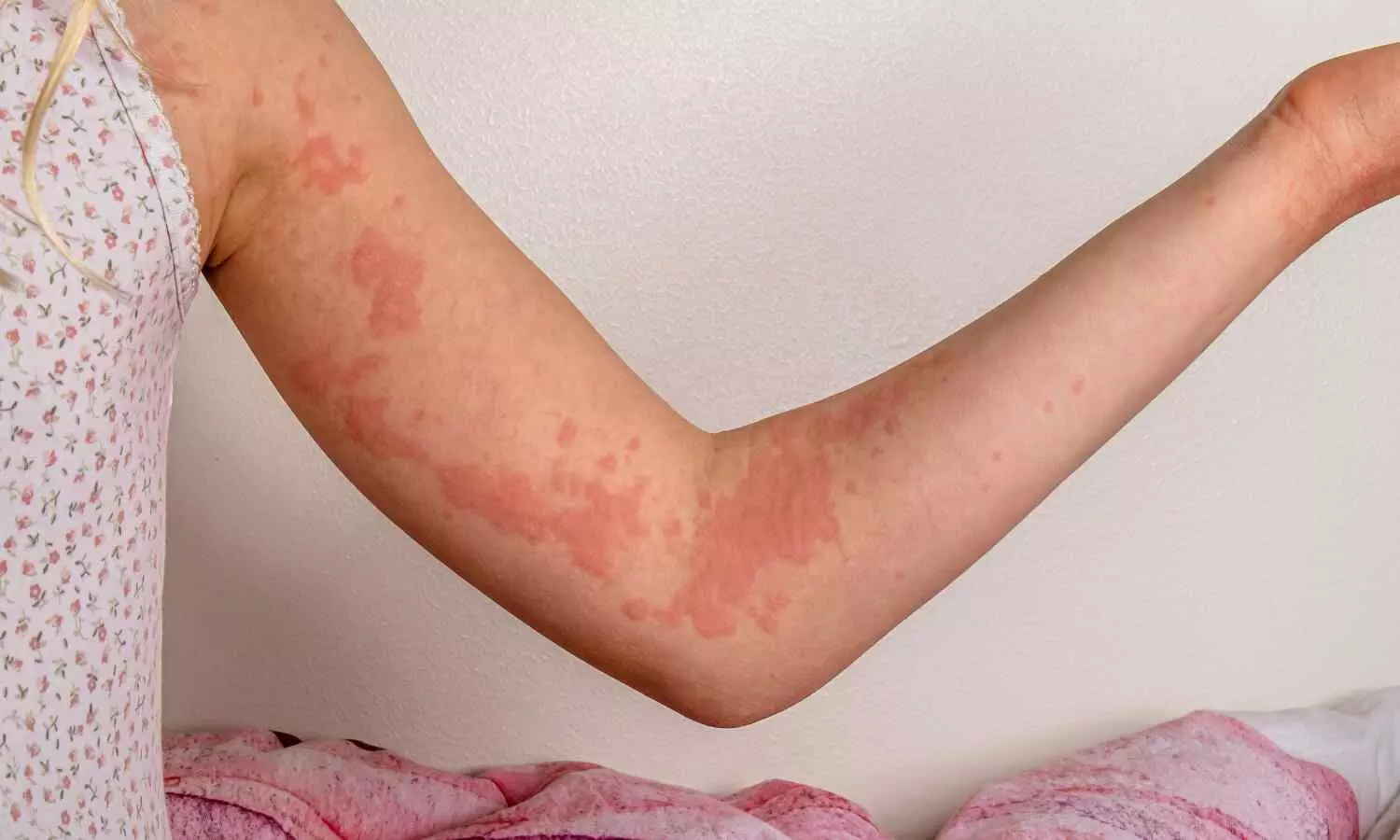


A recent cross-sectional study published in the Indian Journal of Allergy, Asthma and Immunology in July 2026 reveals that while over 45% of chronic urticaria (CU) patients perceive food as a primary trigger, unnecessary dietary restrictions often threaten nutritional deficiencies. This crucial finding highlights the clinical need to balance self-reported food triggers with objective diagnostic testing rather than self-imposed elimination diets.
While dietary triggers in skin allergies are well-documented globally, a significant clinical gap remains regarding the unique dietary patterns of Indian patients with chronic urticaria (CU). To address this, Dr. N. S. Ashray, C. S. Sowmya, and R. Lavanya from Bengaluru’s Kempegowda Institute of Medical Sciences conducted a cross-sectional study correlating local food habits with urticarial presentations.
Therefore, the cross-sectional study evaluated 120 dermatology outpatients in Bengaluru using structured interviews, skin prick testing (SPT), and autologous serum skin testing (ASST) to identify specific food triggers. Excluding pregnant, lactating, or seriously ill individuals, researchers statistically analyzed food consumption frequencies against clinical features to map key allergen correlations.
Key Clinical Findings of the Study Includes:
Prevalence of Inducible Urticaria: Investigators found that chronic inducible urticaria (CIndU) was significantly more prevalent at 69.2% (83 patients) than chronic spontaneous urticaria (CSU) at 30.8% (37 patients).
Protective Role of Dairy: Investigators observed that consuming milk and milk products more than twice weekly was associated with significantly fewer allergic symptoms than weekly consumption (P = 0.023).
Impact of Energy-Dense Foods: Investigators linked a higher intake of energy-dense foods (twice weekly) to a greater incidence of allergic manifestations compared to once-weekly consumption (P = 0.027).
Perceived versus Objective Triggers: Investigators reported that while 45.8% of patients self-reported food as an allergen trigger, only 30.8% demonstrated objective SPT positivity, with prawns being the most frequent allergen (22.7%).
Comorbidity and Disease Extent: Investigators noted a unique negative correlation where patients with comorbidities exhibited significantly less multiorgan involvement (eyes, ears, or chest along with the skin) than those without comorbidities (P = 0.039).
The results suggest that while sixty-five point eight percent of patients report avoiding specific foods due to fear of triggers, there is no direct association between overall dietary patterns and the severity or chronicity of urticaria. Therefore, careful clinical evaluation is required to prevent unnecessary nutritional deficiencies arising from unverified elimination diets.
Thus, the study concludes clinicians should systematically evaluate dietary histories and guide patients toward targeted avoidance of verified triggers or evidence-based regimens, like pseudoallergen-free diets, while actively discouraging unverified self-imposed food restrictions.
Although the single-center evaluation was constrained by a relatively modest cohort of 120 patients and potential recall bias in self-reported food diaries, these insights pave the way for future multicentric, longitudinal trials to fully elucidate how urban food processing and preparation methods influence systemic allergic responses in CU.
Reference
Ashray NS, Sowmya CS, Lavanya R. The assessment of skin allergies and food consumption patterns in urban India. Indian J Allergy Asthma Immunol 2026;40:18-23.
