
Corticosteroid Nasal and Inhalant Preparations Linked to Pediatric Periorificial Dermatitis: Study
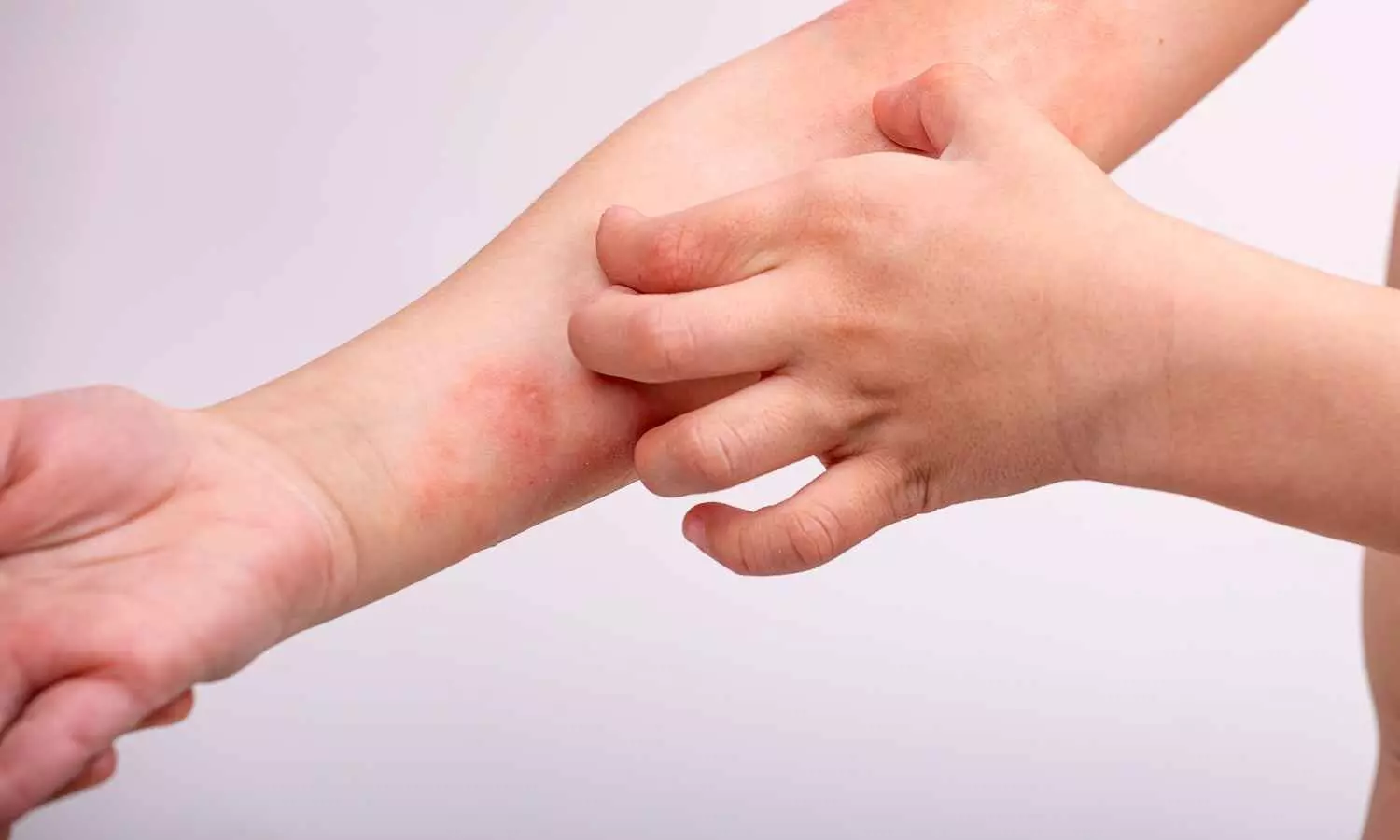


A large retrospective database study published in the journal of Pediatric Dermatology found that nasal and inhaled corticosteroid preparations were clearly associated with Periorificial Dermatitis in children. These medications may represent an underrecognized trigger and should be considered by clinicians when evaluating new-onset pediatric facial dermatoses.
Perioral dermatitis is a chronic inflammatory facial rash that commonly affects the skin around the mouth, nose, and eyes. Symptoms can include redness, small pustules, scaling, burning sensations, and skin sensitivity. In children, this condition may sometimes be mistaken for eczema, acne, allergic reactions, or bacterial skin infections, potentially delaying appropriate treatment.
Corticosteroids may disrupt the skin barrier, alter local immune responses, or affect the skin microbiome, which contributes to inflammation and rash development. Despite these mechanisms being well documented with topical steroid creams, the new findings suggest that inhaled and intranasal corticosteroids may also expose nearby facial skin to enough medication to trigger similar effects.
While topical corticosteroid creams have long been recognized as a common trigger for perioral dermatitis, studies point out that less attention has been given to corticosteroids delivered through inhalers or nasal sprays. Thus, this research analyzed healthcare data from the TriNetX US Collaborative Network from 2000 to 2025. The study focused on pediatric patients younger than 18 years diagnosed with allergic rhinitis or asthma.
The participants were divided into three groups, as children using corticosteroid-containing nasal sprays or inhalers, children using nonsteroidal nasal or inhaled therapies, and a control group with no use of nasal or inhalant medications. This research used propensity score matching to ensure the groups were comparable and then tracked the development of newly diagnosed perioral dermatitis over six- and twelve-month periods.
The results showed a clear association between corticosteroid inhalant or nasal preparation use and subsequent diagnosis of perioral dermatitis. The strongest association appeared within the first six months after exposure. During that period, children using corticosteroid-containing inhalers or nasal sprays were more than 3-times as likely to develop PD when compared with matched controls.
Also, children using nonsteroidal inhaled or nasal therapies did not demonstrate a similar increase in risk, which suggested that the corticosteroid component itself may play a key role in triggering the condition. Overall, the results of this findings might encourage clinicians to consider corticosteroid inhalers and nasal sprays as possible contributing factors when evaluating children with new-onset facial rashes or persistent perioral dermatitis symptoms.
Source:
Merkle, T., Curley, C., Wambold, D., Iginla, B., & Ilyas, E. N. (2026). Association of nasal and inhalant corticosteroids with pediatric perioral dermatitis: A TriNetX retrospective cohort study. Pediatric Dermatology, pde.70228. https://doi.org/10.1111/pde.70228

