CRISPR Gene-Editing Therapy Shows Major Promise for Hereditary Angioedema: NEJM
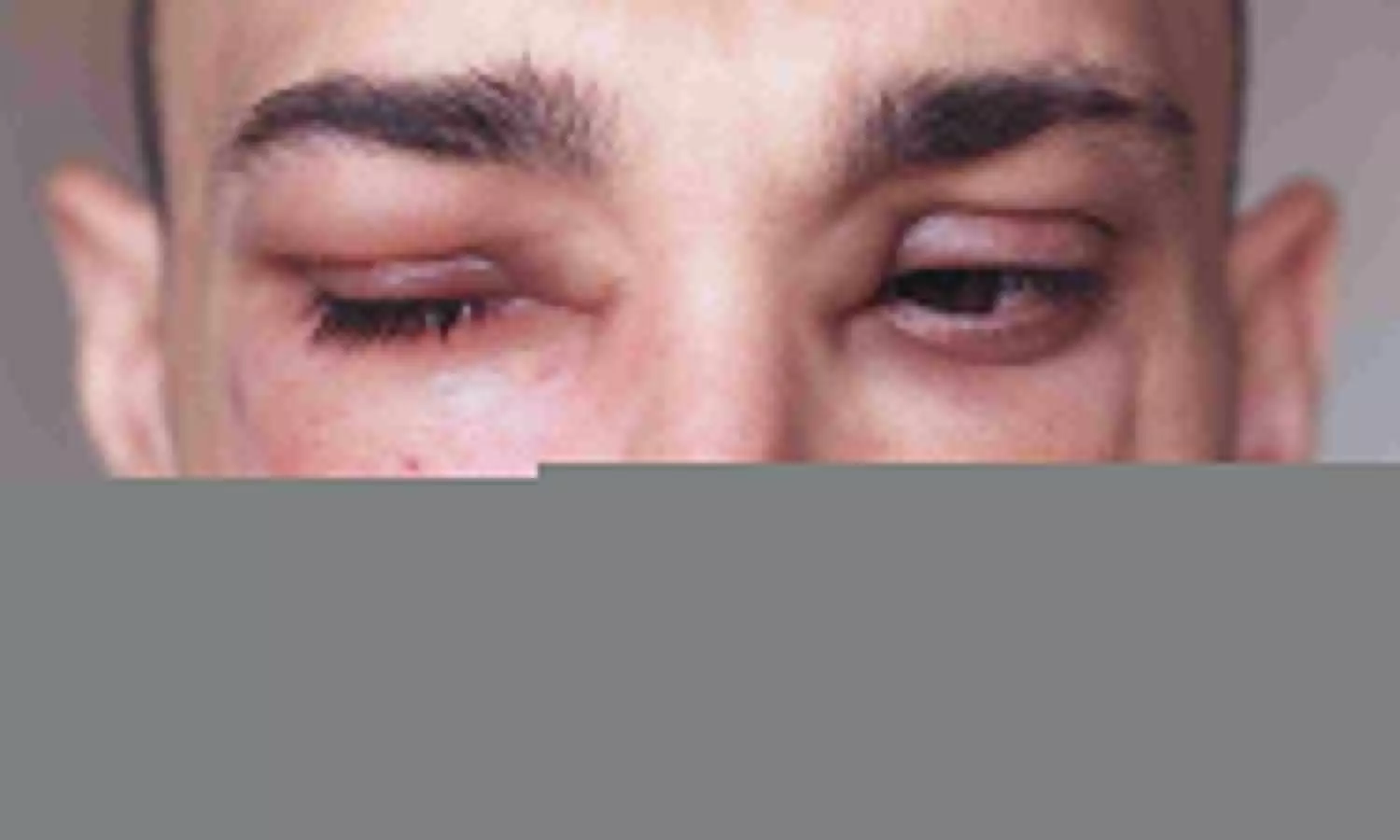


In the randomized HAELO trial, the novel in vivo CRISPR-based therapy lonvoguran ziclumeran (lonvo-z) dramatically reduced the frequency of attacks in patients with hereditary angioedema (HAE). Notably, 62% of patients became completely attack-free, a rate that compares favorably with the 40–60% attack-free rates reported in pivotal trials of current long-term preventive treatments. If approved, lonvo-z could become the first in vivo CRISPR-Cas gene-editing therapy authorized for any medical condition, marking a significant milestone in genetic medicine. The study was published in The New England Journal of Medicine by Danny M. and colleagues.
For conducting a definitive trial as a standard test of the effectiveness of the proposed CRISPR gene therapy treatment, a phase 3, multicenter, randomized, double-blind, placebo-controlled study was conducted by researchers. This trial included patients between the ages of 16 years and above with the specific condition of having a medical diagnosis of HAE that is associated with C1 inhibitor deficiency. The participants in the trial were randomly allocated to a group that would receive one single intravenous infusion of lonvoguran ziclumeran (at a fixed dose of 50 mg), or a placebo that matches in its composition. The efficacy outcome measure used for the trial was the precise number of attacks per month in a patient, which defined the monthly rate of attacks during the trial period starting from week 5 through week 28 after infusion. The safety and adverse effects profile data were collected from the first day till week 28, and all records closed on February 10, 2026.
Key findings:
- The randomized phase 3 international trial was successful at including an accumulated sample size of 80 suitable cases of HAE.
- The sample was then stratified into a pre-designed ratio of 52 individuals for receiving the once-in-a-lifetime administration of lonvo-z at 50 mg while another group consisting of 28 people was selected as the placebo group.
- The median follow-up time as measured on February 10, 2026, which was the cut-off date for analysis, stood at 7.5 months with a range extending from 4.9 to 12.8 months.
- For weeks 5 to 28, the lowest average monthly attack rates recorded in the active lonvo-z treatment group were almost zero at 0.26 (95% CI, 0.15 to 0.45), whereas in the control group, it reached a shocking value of 2.10 (95% CI, 1.55 to 2.86).
- Such a statistically significant difference in the results indicated a very considerable relative decrease by -87% (95% CI, -93 to -78; P < 0.001) for the CRISPR group. In general terms, 92% of patients received adverse effects in the lonvo-z group, and 86% suffered such conditions in the placebo group.
- Of those adverse effects that were seen to be more common post lonvo-z administration (occurring at over a 10% frequency), the most common were infusion-associated reactions, headaches, fatigue, back pain, and common upper respiratory tract infections.
- There was an absolute 0 incidence of serious adverse effects and also 0 incidences of level 3 and above adverse effects with the lonvo-z drug group.
To conclude, in cases of hereditary angioedema, the application of a single dose of lonvo-z through intravenous infusions led to fewer episodes of hereditary angioedema when compared with those receiving the placebo injection. This impressive discovery made in the phase 3 study is invaluable in establishing clinical immunology since CRISPR gene editing is not a theoretical future science anymore; rather, it represents an effective cure to chronic diseases.
Reference:
Cohn, D. M., Gurugama, P., Longhurst, H. J., Aygören-Pürsün, E., Craig, T. J., Farkas, H., Jacobs, J., Lumry, W. R., Magerl, M., Peter, J., Riedl, M. A., Maag, D., Golden, A., Shah, M. Y., Sutherland, A., Miller, C. R., Abdelhady, A. M., Xu, Y., Butler, J. S., & Lebwohl, D. (2026). Lonvoguran Ziclumeran — In Vivo CRISPR Gene Editing in Hereditary Angioedema. New England Journal of Medicine. https://doi.org/10.1056/nejmoa2600931