Daratumumab Shows Promise for Rituximab-Refractory Pemphigus, suggests study
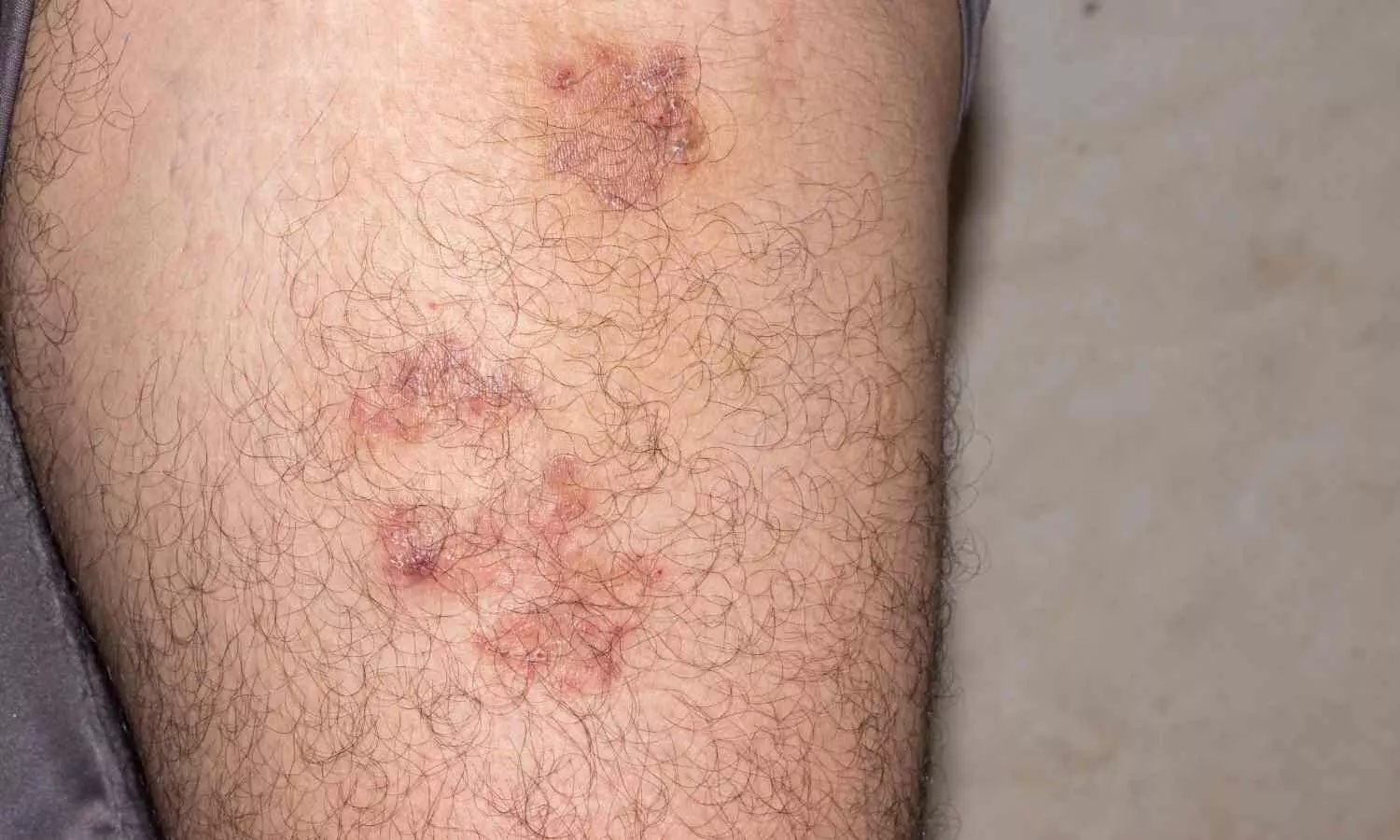


A new study published in The Journal of Investigative Dermatology showed that patients with rituximab-refractory pemphigus may benefit from daratumumab either alone or in conjunction with B-cell-targeting medications.
The management of pemphigus has been transformed by first-line treatment with rituximab, a CD20-targeted monoclonal antibody that effectively depletes B cells. However, a significant portion of patients have a very resistant disease course. Long-lived plasma cells are often responsible for chronic autoantibody synthesis in these rituximab-refractory individuals. Despite severe B-cell depletion, these mature plasma cells effectively avoid rituximab-mediated death due to their intrinsic lack of CD20 expression, which prolongs chronic mucosal and cutaneous blistering.
A very promising treatment option for this difficult clinical population is daratumumab, a human monoclonal antibody that targets the CD38 surface antigen. Daratumumab, which was first created and authorized for the treatment of multiple myeloma, specifically targets and eliminates long-lived plasma cells and plasmablasts that express CD38. Daratumumab skillfully circumvents the molecular constraints of CD20-directed treatments by removing the ultimate cellular source of persistent desmoglein autoantibodies. Daratumumab can cause strong immunological remission and quick mucosal healing in severe, resistant pemphigus, according to recent clinical findings and longitudinal surveillance. Daratumumab is therefore a crucial, life-saving development in the developing treatment arsenal for rituximab-recalcitrant pemphigus, whether used as monotherapy or carefully coupled with B-cell-targeted therapies to avoid autoreactive reconstitution.
In this study, daratumumab was effectively used to treat two cases of life-threatening pemphigus that were resistant to rituximab and other treatments. Long-term clinical and immunological monitoring of anti-desmoglein responses was conducted. Incomplete B-cell depletion and the preservation of memory B cells and plasmablasts were linked to rituximab failure.
Rapid clinical improvement, CD38[+] plasma cell depletion, and a decrease in anti-desmoglein antibodies were all brought on by daratumumab. Combining daratumumab and belimumab resulted in a sustained complete remission, most likely through complementary targeting of plasma cells and prevention of autoreactive B-cell reconstitution. In one patient, relapse happened after daratumumab was stopped, and rituximab was subsequently ineffective due to anti-rituximab antibodies.
In the second patient, rituximab was added to the daratumumab-induced remission. There were no side effects associated with the therapy. Overall, these results imply that daratumumab may be a viable treatment option for rituximab-refractory pemphigus, either by itself or in conjunction with B-cell-targeting medications.
Reference:
Maho-Vaillant, M., Lefebvre, A., Golinski, M. L., Calbo, S., Lebourgeois, L., Carrette, M., Jouen, F., Challamel, C., Fazilleau, N., Paul, C., Joly, P., Tedbirt, B., & Hébert, V. (2026). Daratumumab as a therapeutic option for rituximab-recalcitrant pemphigus. The Journal of Investigative Dermatology. https://doi.org/10.1016/j.jid.2026.06.1274