Diclofenac and Silymarin Gel May Prevent Chemotherapy-Induced Hand-Foot Syndrome: JAMA
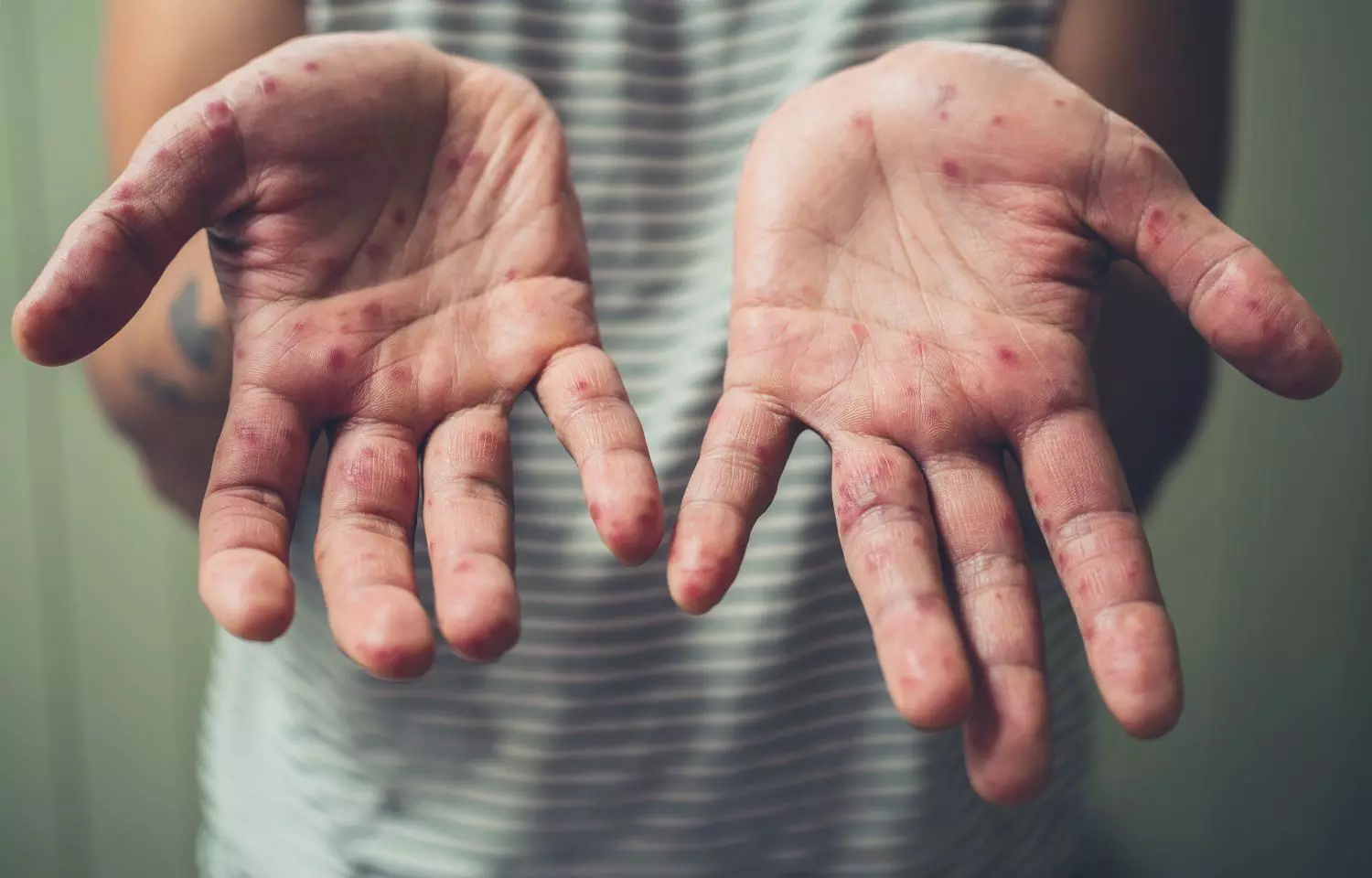


Hand-foot syndrome is a painful side effect commonly seen with chemotherapy drugs like capecitabine. Evidence suggests that an over-the-counter topical gel can help reduce the risk. Specifically, diclofenac gel and the flavonoid silymarin (milk thistle) have shown effectiveness in preventing this condition, as reported in JAMA Dermatology. The study was conducted by Hemavathi B. and colleagues.
This systematic review and network meta-analysis were performed on the results of the randomized clinical trials that were retrieved by a comprehensive search of the electronic databases PubMed, Embase, and Cochrane CENTRAL until November 2024. Only phase 2 or phase 3 randomized trials that studied the pharmacological interventions for the prevention of HFS were considered eligible for the review.
The results of 19 randomized clinical trials were included in the review, with 17 trials including a total of 2,192 patients in the analysis for the primary outcome. The age range of the patients was 57 years (range, 56-61 years). Independent assessment of the extracted information was performed by two authors, and the quality of the studies was assessed by the Cochrane Risk of Bias tool. Frequentist random-effects network meta-analysis was performed to analyze the results, and the ranking was performed by calculating the P-score and SUCRA values.
Key findings:
The analysis showed that several drug treatments significantly lowered the occurrence of grade 2 or higher HFS compared to placebo.
Topical silymarin had the largest reduction (OR, 0.08; 95% CI, 0.01, 0.71), followed by diclofenac (OR, 0.23; 95% CI, 0.08, 0.62), 400-mg pyridoxine (OR, 0.28; 95% CI, 0.09, 0.88), and celecoxib (OR, 0.41; 95% CI, 0.18, 0.95).
For overall HFS incidence, diclofenac (OR, 0.30; 95% CI, 0.13, 0.69) and celecoxib (OR, 0.46; 95% CI, 0.22, 0.94) showed significant benefits.
In contrast, silymarin and pyridoxine did not demonstrate a statistically significant reduction in overall HFS incidence, even though they helped with higher-grade toxicity.
Also, mapisal was linked to an increased risk of HFS (OR, 3.04; 95% CI, 1.07, 8.64).
Ranking analyses further backed these findings, with silymarin achieving the highest SUCRA value (0.91), followed by diclofenac (0.76), indicating a better chance of being the most effective treatment.
Both diclofenac and silymarin significantly reduced chemotherapy-induced HFS. Among these treatments, diclofenac has shown the most consistent evidence and is therefore considered a preferred preventive approach.
Reference:
Baskarane H, Sahni S, Nagpal C, et al. Preventing Hand-Foot Syndrome in Patients With Cancer: A Systematic Review and Network Meta-Analysis. JAMA Dermatol. Published online March 04, 2026. doi:10.1001/jamadermatol.2026.0042