
Isotretinoin may temporarily slow growth, but it does not impact the final height of patients: Study
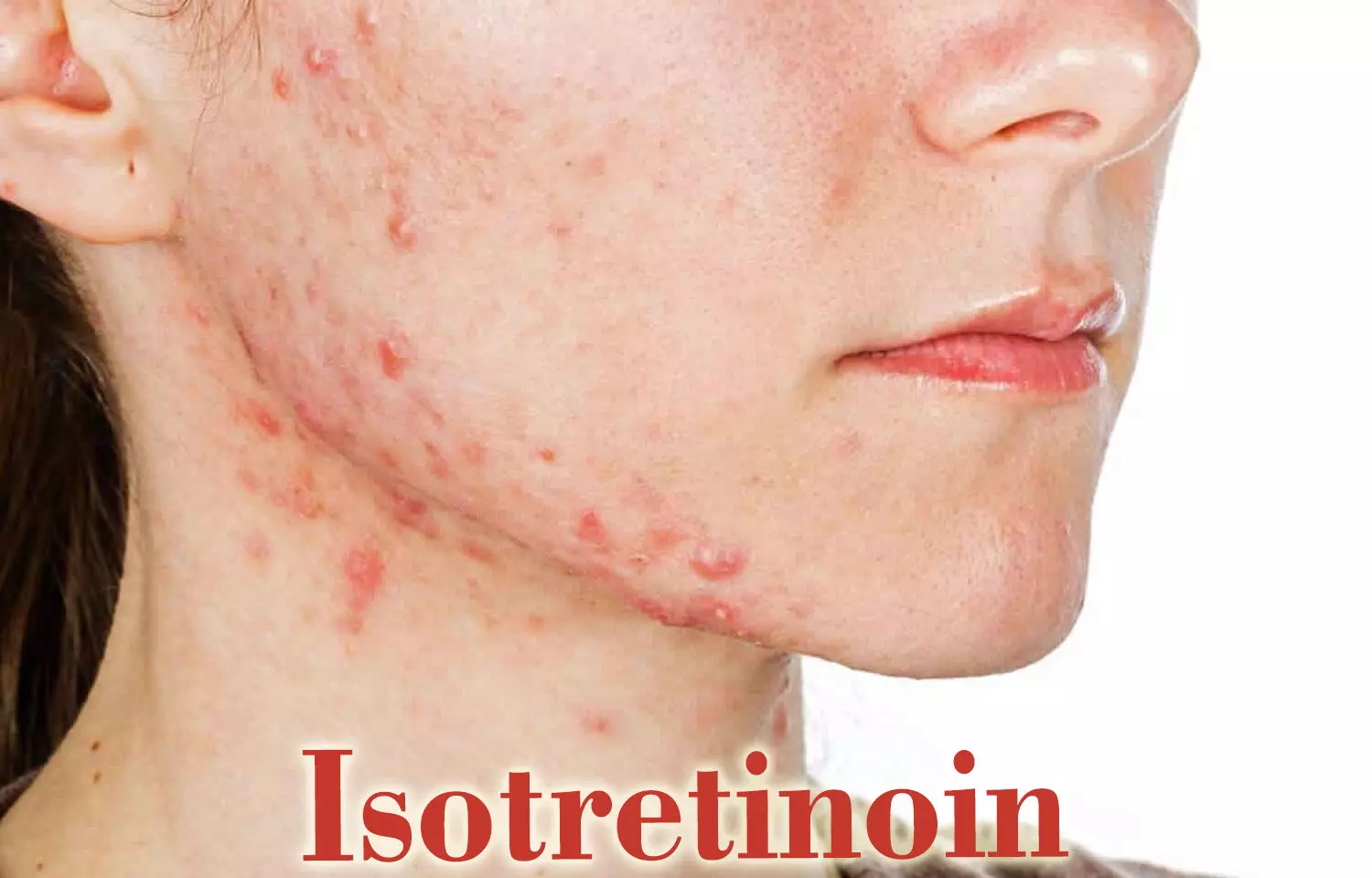


A new study published in the Journal of the American Academy of Dermatology revealed that while the isotretinoin medication for severe acne may temporarily slow adolescent growth velocity, it does not appear to reduce final adult height.
This research analyzed medical records from the Rochester Epidemiology Project to examine whether isotretinoin affects height outcomes in adolescents treated for acne. The study included patients diagnosed with acne between 2005 and 2021 who began either isotretinoin or oral antibiotics before the age of 15. By comparing growth patterns between these groups, this study aimed to clarify whether concerns about impaired growth are supported by real-world data.
The study followed 226 adolescents treated with isotretinoin and compared them with 1,179 control patients who received oral antibiotics. Height velocity was calculated using measurements taken within one year before and one year after treatment initiation. Final adult height was recorded when patients reached 18 years of age.
The key finding was that isotretinoin use did not result in a meaningful difference in final adult height. On average, patients treated with isotretinoin were only 0.67 centimeters shorter than controls, a difference that was not statistically significant. This suggests that despite earlier concerns, isotretinoin does not compromise ultimate growth potential.
However, the study did detect changes in growth patterns during treatment. Adolescents receiving isotretinoin experienced a slower height velocity after starting the medication when compared to controls. Specifically, their growth rate was reduced by about 0.12 centimeters/month following treatment initiation. When comparing growth rates before and after treatment within the same individuals, this study found an even larger decline (approximately 0.31 centimeters/month) which indicated a noticeable but temporary slowdown.
The analysis showed no clear relationship between isotretinoin dosage and growth outcomes. Higher cumulative doses were not associated with greater reductions in height velocity or final height, suggesting that the observed effect on growth rate is not dose dependent.
The data supported these findings by detailing baseline characteristics of both groups, including age at treatment initiation and sex distribution, followed by comparisons of height velocity before and after medication use. Overall, the findings provide reassurance: isotretinoin may temporarily slow adolescent growth, but it does not appear to affect how tall patients ultimately become.
Source:
Xu, K. K., Aghazadeh, N., Tebben, P., Todd, A., Tollefson, M., & Barbieri, J. S. (2025). The effect of isotretinoin treatment for acne vulgaris on height in adolescents: A retrospective cohort study using the Rochester Epidemiology Project. Journal of the American Academy of Dermatology, 93(6), 1464–1470. https://doi.org/10.1016/j.jaad.2025.08.009

