
Melatonin shows promise as adjunct therapy for systemic lupus erythematosus, study finds
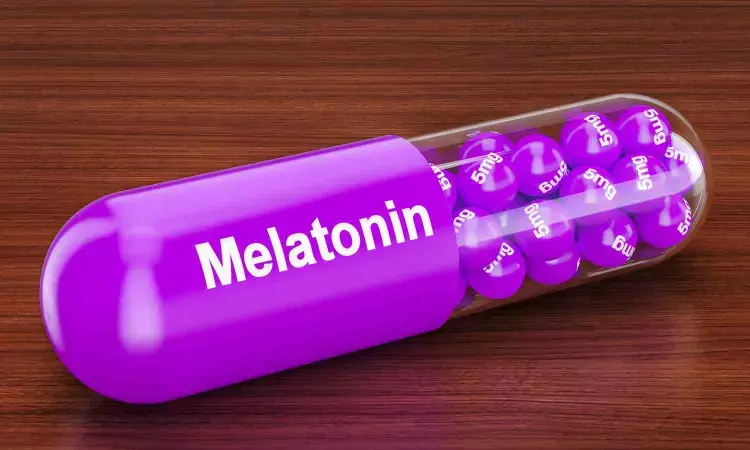


A recent review published in Current Molecular Pharmacology explores the therapeutic potential of melatonin in systemic lupus erythematosus (SLE), a complex autoimmune disease affecting multiple organs. The study, led by researchers from Iran University of Medical Sciences and UT Health San Antonio, suggests that melatonin-primarily known for regulating sleep-may also play a significant role in managing SLE and its severe complication, lupus nephritis.
Melatonin, produced by the pineal gland and other tissues, exhibits strong antioxidant and anti-inflammatory effects. The review highlights that SLE patients often have lower serum melatonin levels, which may correlate with increased disease activity. “Our findings suggest that melatonin could serve as both a diagnostic marker and a therapeutic agent,” said co-author Azam Hosseinzadeh.
Preclinical studies show melatonin can reduce renal inflammation and oxidative stress in lupus models. Clinical trials, including a randomized double-blind study, reported decreased oxidative stress markers like malondialdehyde (MDA) in SLE patients taking melatonin supplements. However, its impact on overall disease activity remains inconclusive.
Despite promising lab results, the authors caution that more robust, long-term clinical trials are needed. “Melatonin’s safety profile and multifaceted effects make it a compelling candidate for adjunctive therapy, but we need to understand optimal dosing and timing,” noted co-author Mohammad Sheibani.
The review also emphasizes the importance of standardized sampling protocols, as melatonin levels fluctuate with circadian rhythms. Future research should explore melatonin’s role in preventing organ damage and improving quality of life in lupus patients.
Reference:
Azam Hosseinzadeh, Farnoosh Seirafianpour, Mohammad Sheibani, Ali Jamshidi Naeini, Russel J. Reiter, Saeed Mehrzadi, Melatonin: Diagnostic evidence and therapeutic roles in systemic lupus erythematosus, Current Molecular Pharmacology, https://doi.org/10.1016/j.cmp.2025.11.001.
