
New study hints at the cause of a painful skin condition-and at a long-awaited potential treatment
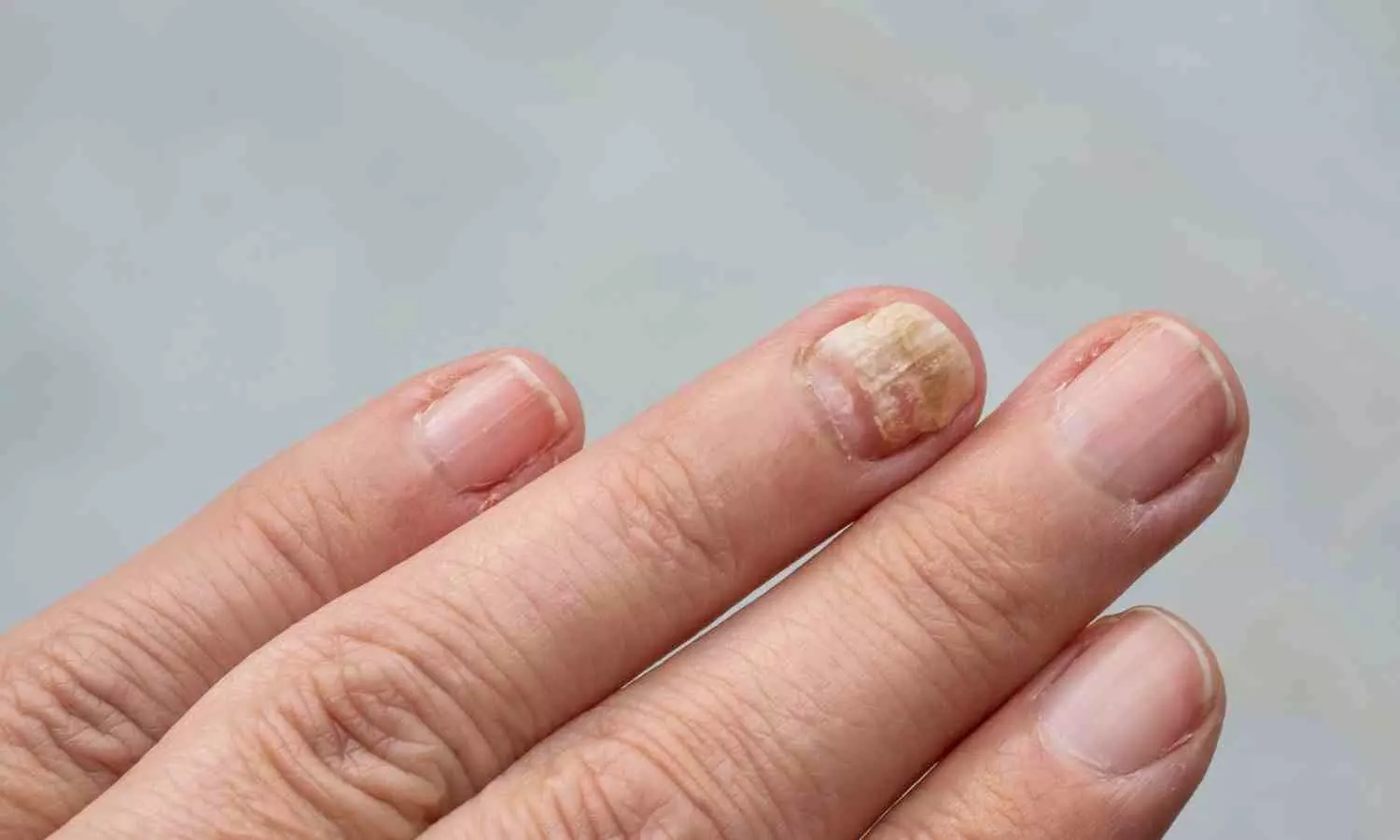


Imagine a skin condition so painful, people with it are reduced to crawling around their homes to avoid having to walk on thick and painful calluses. This disease, called pachyonychia congenita (PC), is rare but severely impacts quality of life for those with a mutation in one of five keratin genes, causing painful lesions on the soles of the feet and tell-tale thickening of the nails.
New University of Michigan-led research from the lab of Pierre Coulombe, Ph.D. offers much needed answers about a specific protein, called keratin 16 (K16), implicated in this and other skin conditions.
“When the skin suffers wounding and other stressors, the tissue has to figure out what to do,’ said Erez Cohen, Ph.D., a member of Coulombe’s lab in the U-M Medical School's Department of Cell and Developmental Biology and first author on the new paper. “Then the question is what happens when it overreacts?”
PC and other skin conditions like psoriasis share many attributes on the molecular level including the upregulation of the tissue response to stress and improper regulation of the immune system.
The five keratin genes that are mutated in PC are specialized in the response to stress and are upregulated in psoriasis, atopic dermatitis (eczema), and related disorders. What these keratins are actually doing in the setting of these disorders has, to date, been largely unknown.
To find out, Cohen, Coulombe and their collaborators set out to identify cellular pathways and processes that may account for how K16, in normal or mutated form, may play a role in these processes. “We identified in the patients’ data a connection between keratin 16 and a molecular pathway that is well-known for its involvement in responses to viruses, called type 1 interferon.
“Using a double stranded RNA molecule to mimic a viral attack, we studied what happens in the presence and absence of keratin 16,” explained Cohen. The studies the team conducted involved an array of tools including cell culture models, transgenic mouse models and, ultimately, precious plantar skin biopsies that were generously provided by individuals with PC.
They found that losing K16 altogether, or altering its normal function via mutations, caused amplification of the inflammatory response.
“What we think is happening is that during inflammation or, more generally, in response to stresses, the cells making up the epidermis of the skin become activated but eventually need to come back to normal. And while we thought K16 was a driver of the activation phase, it appears to be there in part because it helps pump the brakes on that response,” he explained.
The good news is this finding opens avenues to new treatments. Using a mouse model of PC established in the Coulombe lab several years ago, they applied a cream designed to inhibit interferon, an FDA-approved JAK inhibitor called Ruxolitinib, which worked to reduce the lesions in mice.
“The hope is that the same approach might work for patients with PC, which would be incredible because PC does not have any treatment at the moment.”
Cohen notes that their findings, supported by funding from the National Institutes of Health (NIH), open avenues for more research for this and other keratin involved skin disorders.
“Understanding the basic mechanisms of proteins involved in disease is how we provide targets for clinical research to ultimately get patients what they need.”
“Figuring out what goes awry in rare diseases, in this case pachyonychia congenita, often has broad impact on our understanding of normal tissue physiology, disease mechanisms, and therapeutic opportunities. All too often, rare diseases are not receiving the consideration they deserve,” added Pierre Coulombe, Ph.D., the G Carl Huber Professor of Developmental Biology and senior author on the new study.
Reference:
Erez Cohen et al. ,Keratin 16 inhibits type I interferon responses in differentiating keratinocytes of stressed and diseased skin.Sci. Transl. Med.18,eadx9123(2026).DOI:10.1126/scitranslmed.adx9123
