
Managing CKM Stage 4: When Cardiovascular Disease Becomes Clinical
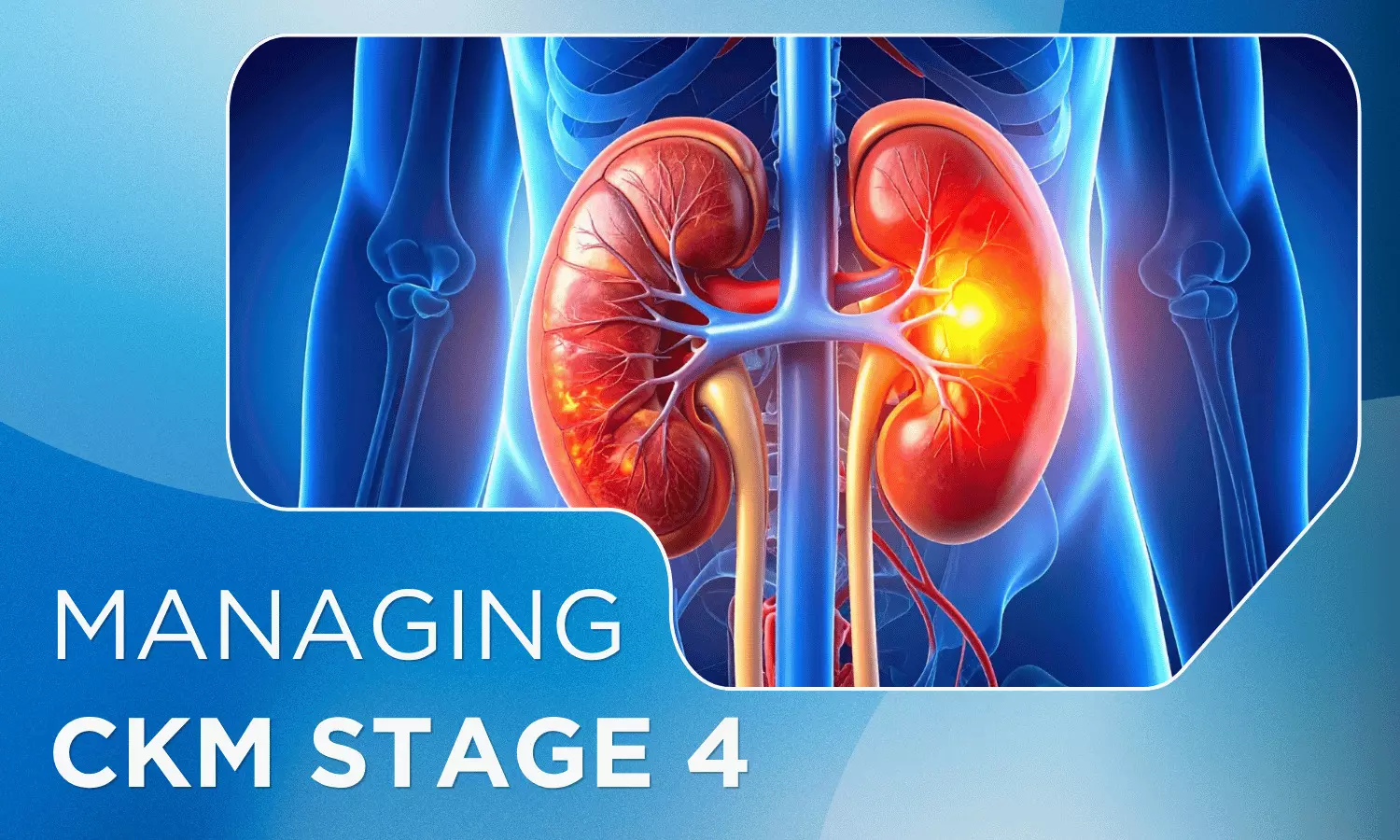


The 2026 AHA/ACC/ADA/ASN Guideline on Cardiovascular-Kidney-Metabolic (CKM) Syndrome introduces a powerful truth: A heart attack is not the beginning of cardiovascular disease. A stroke is not the beginning of cardiovascular disease. Heart failure is not the beginning of cardiovascular disease. These events are often the final outcome of years of obesity, diabetes, hypertension, chronic kidney disease, and silent vascular injury. When these events occur, the patient enters CKM Stage 4. This is the stage of established cardiovascular disease.
Yet the guideline delivers an important message: Even at Stage 4, aggressive management of obesity, diabetes, kidney disease, and cardiovascular risk factors can substantially improve outcomes.
The goal is no longer simply prevention. The goal is preserving life, preserving organ function, and preventing the next event.
What Defines CKM Stage 4?
Stage 4 includes patients with established cardiovascular disease together with CKM risk factors.
Examples include coronary artery disease, previous heart attack, angina, heart failure, stroke, peripheral arterial disease, atrial fibrillation associated with CKM disease.
These patients frequently have accompanying:
- Obesity
- Type 2 diabetes
- Chronic kidney disease
- Hypertension
- Dyslipidemia
The challenge is that each condition worsens the others. Heart disease worsens kidney disease. Kidney disease worsens heart failure. Diabetes accelerates vascular disease. Obesity aggravates all of them. The CKM framework encourages clinicians to treat the entire syndrome rather than isolated diagnoses.
The New Philosophy of Stage 4 Care
Traditional medicine often focused on the cardiovascular event itself. Treat the heart attack. Treat the heart failure. Treat the stroke. The CKM Guideline expands this perspective. It asks clinicians to identify and aggressively treat the metabolic and kidney abnormalities that continue driving disease progression. This shift may significantly improve long-term outcomes.
Managing ASCVD in CKM Stage 4
Patients with established atherosclerotic cardiovascular disease require intensive secondary prevention.
The objectives are:
- Prevent recurrent heart attack
- Prevent stroke
- Prevent cardiovascular death
- Prevent progression of kidney disease
Management includes:
- Aggressive Lipid Reduction
- Lowering LDL cholesterol remains one of the most effective interventions in cardiovascular medicine.
- Intensive lipid management reduces recurrent cardiovascular events and stabilizes atherosclerotic plaque.
- Blood Pressure Optimization
- Strict blood pressure control lowers the risk of recurrent cardiovascular events and protects kidney function.
- Smoking Cessation
Among all interventions, smoking cessation continues to produce some of the largest improvements in cardiovascular outcomes. Physical Activity and Cardiac Rehabilitation Exercise remains therapeutic even after cardiovascular disease develops. Appropriately supervised physical activity improves functional status, quality of life, and cardiovascular outcomes.
Managing Obesity in Stage 4
A major innovation of the CKM Guideline is the recognition that obesity treatment remains important even after cardiovascular disease develops. Historically, weight management often received less attention once heart disease became established. The guideline challenges that view.
Weight reduction can:
- Improve exercise capacity
- Improve blood pressure control
- Improve glycemic control
- Reduce heart failure symptoms
- Improve overall cardiovascular health
Lifestyle intervention remains foundational. For selected patients, anti-obesity medications and metabolic surgery may also play important roles.
Managing Diabetes in Stage 4
The guideline emphasizes that diabetes treatment should extend beyond glucose control. The modern goal is cardiovascular and renal protection. Among patients with diabetes and cardiovascular disease, therapies with proven cardiovascular benefit should be prioritized.
Special emphasis is placed on:
* SGLT2 inhibitors
* GLP-1 receptor agonist–based therapies
These therapies have demonstrated reductions in cardiovascular events, heart failure hospitalizations, and kidney disease progression.
The question is no longer: “Does this drug lower glucose?”
The question is:
“Does this drug help the patient live longer and avoid cardiovascular complications?”
Managing Chronic Kidney Disease
Kidney disease is one of the strongest predictors of adverse cardiovascular outcomes. The guideline repeatedly highlights the need for active kidney protection.
Management includes:
- Regular eGFR monitoring
- UACR monitoring
- Blood pressure optimization
- Renin-Angiotensin System inhibitors when indicated
- SGLT2 inhibitors for kidney protection
Preserving kidney function is central to Stage 4 management. Every decline in kidney function increases cardiovascular risk.
Managing Heart Failure
Heart failure represents one of the most common manifestations of Stage 4 CKM Syndrome. The guideline strongly supports evidence-based heart failure therapies.
For Heart Failure with Reduced Ejection Fraction (HFrEF):
- ARNI, ACE inhibitors, or ARBs
- Beta blockers
- Mineralocorticoid receptor antagonists
- SGLT2 inhibitors
These therapies improve survival and reduce hospitalization.
For Heart Failure with Preserved Ejection Fraction (HFpEF):
* SGLT2 inhibitors play an important role
* Weight reduction is emphasized
* Diabetes and kidney disease management remain critical
The CKM framework recognizes that successful heart failure management requires simultaneous treatment of obesity, diabetes, and CKD.
The Importance of Team-Based Care. Stage 4 patients rarely fit within a single specialty. They often require cardiologists, nephrologists, endocrinologists, primary care physicians, dietitians and rehabilitation specialists. The guideline strongly advocates interdisciplinary care and care coordination. The most successful outcomes occur when healthcare professionals work together rather than independently.
What Stage 4 Means for India
India is witnessing a growing epidemic of premature cardiovascular disease. Large numbers of patients present with:
- Diabetes and coronary artery disease
- CKD and heart failure
- Obesity and stroke
The CKM framework is particularly relevant because it addresses these overlapping disorders simultaneously. For Indian healthcare systems, Stage 4 management offers an opportunity to move from fragmented care toward integrated care.
Conclusion
CKM Stage 4 represents the stage of established cardiovascular disease. However, it should not be viewed as the end of prevention. Rather, it is the beginning of intensive risk reduction. The 2026 CKM Guideline emphasizes that successful management requires treatment of the entire cardiovascular-kidney-metabolic continuum. Heart disease cannot be managed in isolation. Neither can diabetes. Neither can kidney disease. The future belongs to integrated CKM care.
The ultimate objective is simple: Prevent the next heart attack. Prevent the next hospitalization. Prevent kidney failure. Prolong healthy life. That is the promise of CKM Stage 4 management.

Next Story