
Prurigo Nodularis Associated With Higher Risk of Malignancy: Study
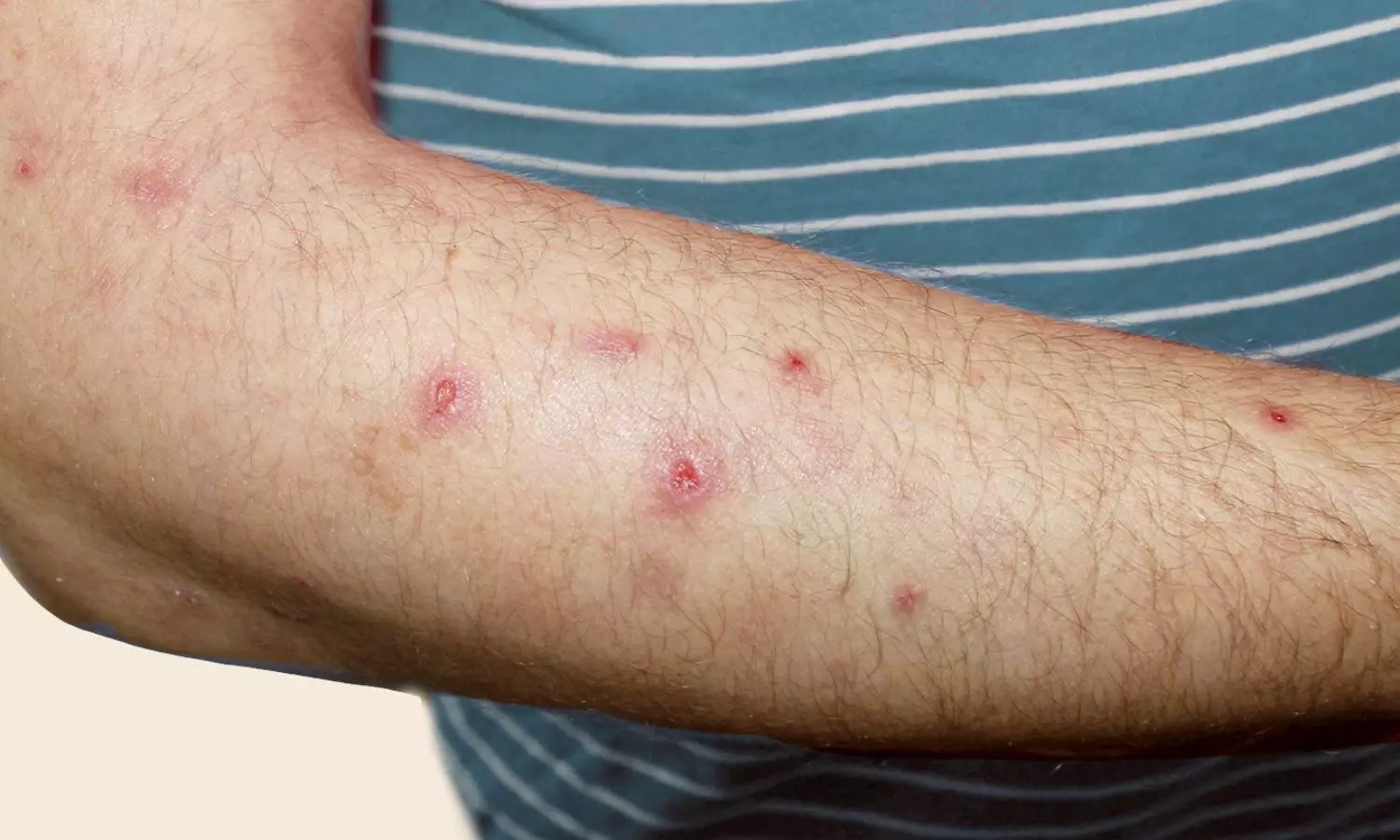


A new study published in The Journal of Dermatology showed that prurigo nodularis is associated with a considerably higher risk of cancer, with a hazard ratio of 2.10. The chronic, extremely itchy dermatological disorder known as prurigo nodularis is typified by many hyperkeratotic nodules that arise from recurrent cycles of itching and scratching.
Although prurigo nodularis is frequently linked to atopic illnesses, systemic diseases, and mental issues, new research points to a potential connection between the condition and underlying cancers. This connection has been explained by immunological dysregulation, chronic inflammatory pathways, and paraneoplastic processes.
The patients with refractory or late-onset prurigo nodularis have been linked to a number of solid organ and hematological cancers. Understanding this possible connection is crucial from a therapeutic standpoint since prurigo nodularis may occasionally function as a cutaneous indicator of occult malignancy, leading to fast assessment, early identification, and better patient outcomes. Thus, this study assessed its possible association with a higher risk of cancer.
In this study, utilizing data from January 1, 2016 to January 1, 2022, this research performed a retrospective cohort analysis utilizing the US Collaborative Network in the TriNetX database. Based on demographics, comorbidities, and medication usage, adults with PN diagnoses (n = 10,941) were matched 1:1 with controls without PN (n = 10,941). The hazard ratio (HR) for cancer that developed 3 months to 5 years following the index date was the main result.
When compared to the controls, patients with PN showed a markedly higher risk of cancer (HR 2.10; 95% CI 1.81–2.43). Cutaneous squamous cell carcinoma (HR 4.24; 95% CI 2.69–6.69), hematopoietic cancers (HR 1.97; 95% CI 1.26–3.06), basal cell carcinoma (HR 2.49; 95% CI 1.68–3.69), respiratory system cancers (HR 1.86; 95% CI 1.23–2.82), gastrointestinal cancers (HR 1.87; 95% CI 1.24–2.81), and female genital cancers (HR 2.77; 95% CI 1.29–5.95).
To sum up, PN is linked to a markedly increased risk of cancer, especially cutaneous malignancies. Overall, these first results highlight the need for increased clinical attention. Further prospective studies are needed to validate this connection, understand the underlying processes, and evaluate the potential advantages of regular cancer screening in this high-risk population.
Source:
Lin, Y.-H., Wang, Y.-C., Chen, T.-L., Jaun, L.-C., Tsai, C.-J., Chen, C.-C., Ye, C.-H., & Ma, S.-H. (2025). Association between prurigo nodularis and malignancy: A real-world multicenter retrospective cohort study. The Journal of Dermatology, 1346-8138.70112. https://doi.org/10.1111/1346-8138.70112

