
Study finds no significant Impact of Fast Food and Dairy Intake on Acne Severity
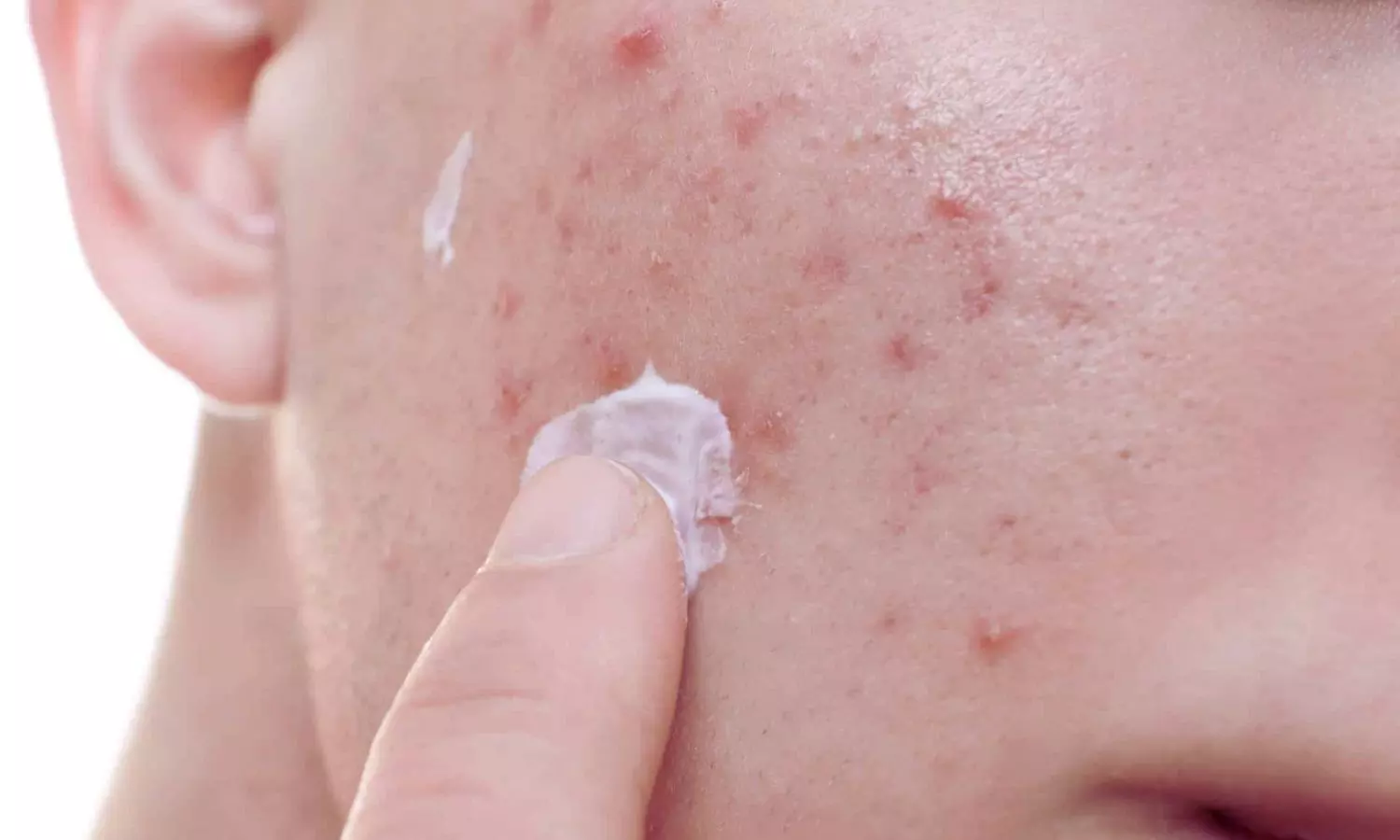


A new study published in the Annals of Medicine and Surgery showed that the severity of acne was not significantly correlated with the use of dairy products or fast food.
Adolescents and young adults frequently suffer from acne vulgaris, a persistent inflammatory skin condition that can seriously lower quality of life since it can leave lasting scars. Although environmental, hormonal, and genetic variables all play a role in the pathophysiology of acne, nutritional issues have drawn more attention recently. Fast food and dairy products, which are common in contemporary diets, are high in saturated fats, high glycemic carbohydrates, and bioactive hormones that may affect androgen activity, insulin-like growth factor-1 (IGF-1), and inflammatory pathways linked to the development of acne.
While dairy consumption, especially milk, has been connected to increased sebaceous gland activity and follicular keratinization, new research indicates that frequent fast food consumption may worsen acne severity through metabolic and inflammatory pathways. However, little is known about how these dietary variables relate to the severity of acne and the likelihood of scarring. Examining these correlations is crucial for enhancing nutritional advice and creating comprehensive, empirically supported acne treatment plans. Thus, this study evaluated the relationship between the severity and scarring of acne and fast food and dairy products.
This study looked at acne severity and scarring in connection to factors including age, gender, family history of acne, and dietary habits (particularly fast food and dairy products) in this cross-sectional research with 386 individuals. A dermatologist verified the evaluations, which were carried out by a skilled medical team.
The most prevalent kind of acne was moderate (66.6%), followed by mild (31.6%) and severe (1.8%). The majority of patients had Grade 2 scarring (65.3%), with fewer having Grades 1, 3, or 4. Higher acne severity was substantially correlated with younger age and male gender in bivariate analysis (P < 0.001).
Nevertheless, no statistically significant correlations between acne severity or scarring and gender, age, family history, fast food consumption, or dairy intake were found using multivariate logistic regression. Overall, there was no statistically significant correlation seen in this cohort between the severity of acne and the use of dairy products or fast food. However, considering the methodological constraints, these results should be regarded with caution.
Reference:
Dhakal, B., Basnet, R., Bhattarai, M., Chauhan, S., Shrestha, B., Bhandari, S., Paswan, B., Mehta, R., & Sah, S. (2026). Association of fast foods and dairy products in acne severity and scarring: a cross-sectional study. Annals of Medicine and Surgery (2012), 88(1), 205–210. https://doi.org/10.1097/MS9.0000000000004493

