Targeted Glove Challenge Achieves 97 Percent Specificity in Latex Allergy, Suggests Review
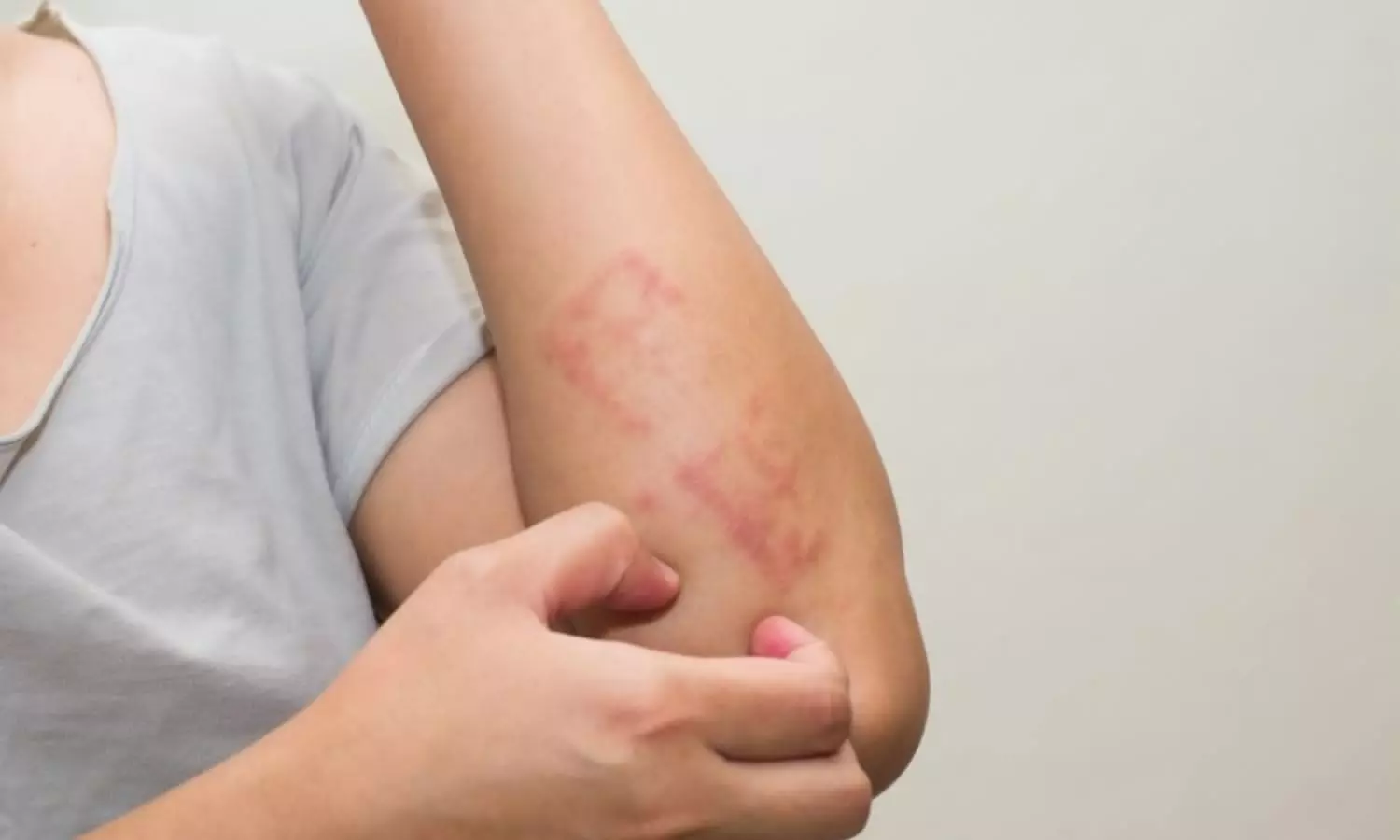


A recent review published in the Indian Journal of Allergy, Asthma and Immunology in June 2026 highlights how identifying 15 distinct latex allergens and using targeted glove challenge testing achieves an impressive diagnostic specificity of over 97%. This clinical breakthrough is revolutionizing how we manage natural rubber latex allergy (NRLA).
While atopic individuals face a 35% risk of natural rubber latex allergy (NRLA), clinical gaps remain due to unstandardized specific immunoglobulin E (IgE) cut-off levels. To address this, Dr. P. C. Kathuria of BLK Super Specialty Hospital and Manisha Rai of the National Allergy Centre, Delhi, reviewed global evidence to standardize diagnosis and management.
Therefore, the review synthesises decades of data on managing latex allergy in high-risk groups, including healthcare workers and patients with spina bifida. It compares skin prick testing (SPT) and component-resolved diagnosis (CRD) against standard challenge tests while evaluating the safety of sublingual immunotherapy (SLIT) and monoclonal antibodies.
Key Clinical Findings of the Study Includes:
Severe Occupational Vulnerability: The review indicates that while NRLA prevalence in the general population ranges from under 1% to 7.6%, sensitization rates are dramatically elevated in high-exposure roles, affecting up to 15% of general healthcare personnel, 25% to 50% of nurses, 30% of dentists, and 50% of surgeons.
Unmatched Skin-Prick Precision: The review confirms that commercial SPT remains the most reliable primary diagnostic tool, boasting a high clinical sensitivity of 93% and a perfect specificity of 100%.
Moderate Serological Sensitivity: The review notes that in vitro assays measuring latex-specific IgE exhibit a lower diagnostic sensitivity of 70% but maintain a strong specificity of 95%.
High Fruit Cross-Reactivity: The review reports that cross-reactive latex-food syndrome, mediated by IgE against homologous plant proteins like class 1 chitinases, affects approximately 40% of latex-allergic individuals.
Efficacious Long-Term Immunotherapy: The review demonstrates that a three-year course of SLIT provides substantial clinical benefit, showing significant reductions in clinical symptoms, specific IgE levels, and provocation test reactions in a cohort of 76 patients.
The results suggest that identifying the 15 distinct molecular latex allergens through CRD is fundamental to patient care, particularly because challenge testing can confirm hypersensitivity with an exceptional specificity exceeding 97%. Therefore, combining detailed medical histories with these highly accurate molecular diagnostics represents the gold standard for clinical classification and patient safety.
Thus, the review concludes clinicians should establish comprehensive latex-free environments in healthcare facilities to mitigate airborne allergen exposure while ensuring that sensitized individuals are educated on cross-reactive dietary triggers and equipped with emergency self-injectable epinephrine kits and medical alert identification.
While the comprehensive synthesis is limited by a lack of standardized specific IgE cut-off values and a scarcity of local clinical trials, future investigations should focus on the long-term safety, tolerability, and cost-effectiveness of allergen immunotherapy and monoclonal antibodies in high-risk populations.
Reference
Kathuria PC, Rai M. Natural rubber latex allergy—Diagnosis and management. Indian Journal of Allergy, Asthma and Immunology. 2026;40(1):12-17.