'Your Invisible Whispers' New book by Dr Karnika Saigal and Dr Kashish Kalra explores how skin microbes shape skin health
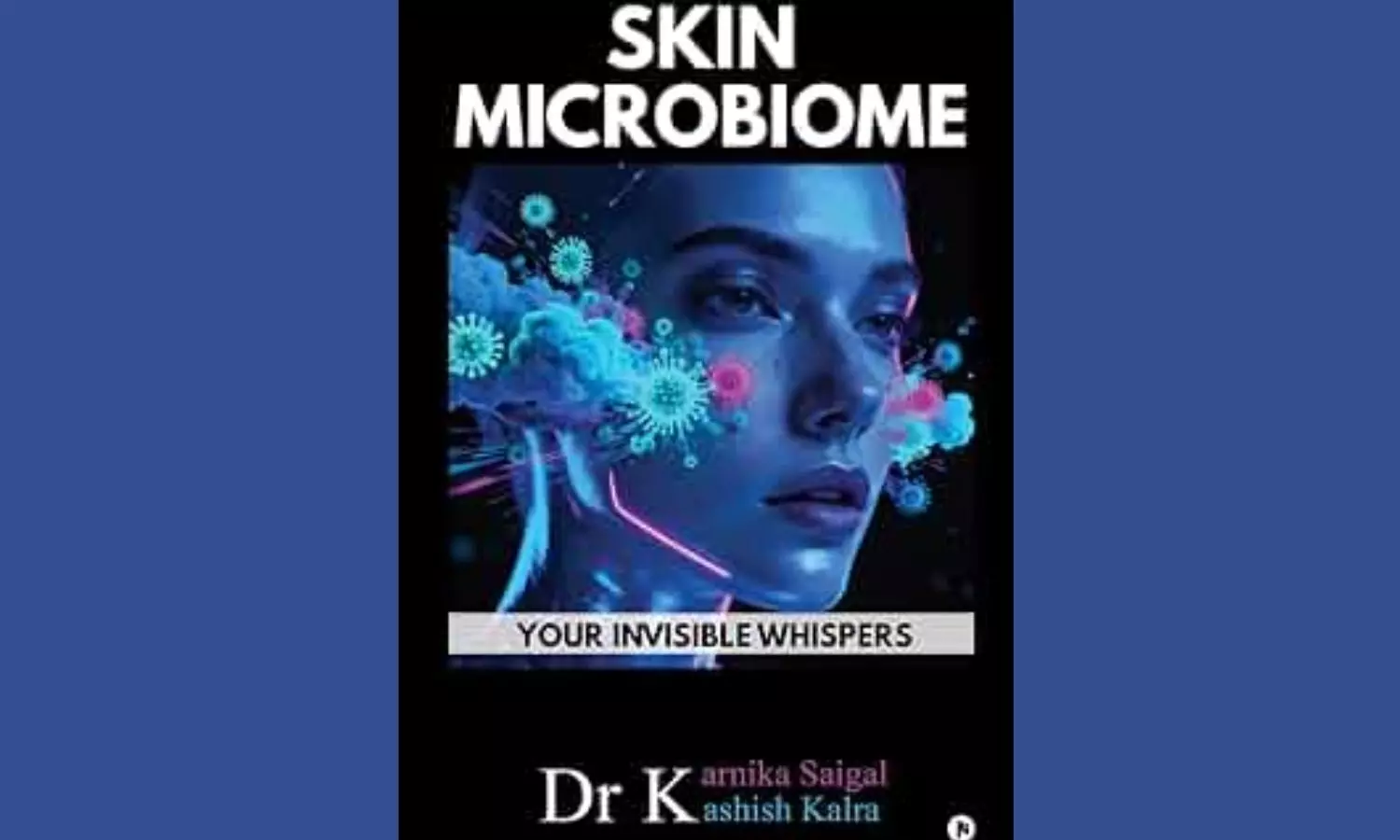


The book 'Skin Microbiome: Your Invisible Whispers', authored by Dr Karnika Saigal and Dr Kashish Kalra, explores the emerging science of the skin microbiome and its role in skin health, dermatological disorders and modern skincare practices.
The authors explain how human skin is not merely a physical protective barrier but a complex biological ecosystem inhabited by diverse communities of bacteria, fungi, viruses and other microorganisms.
While microorganisms have traditionally been associated with infections, advances in microbiome research have demonstrated that many resident microbes contribute to maintaining skin homeostasis, supporting barrier integrity and interacting with the immune system.
The authors discuss how changes in these microbial communities may be associated with common skin conditions, including acne, atopic dermatitis, dandruff and other inflammatory disorders. They also examine how environmental factors, lifestyle choices, cosmetic products and everyday skincare habits can affect the skin's natural balance.
A key theme of the book is the need to look beyond skincare routines that focus only on cleansing, treating visible concerns or improving appearance. The authors highlight the importance of protecting the skin's natural barrier and understanding how its resident microorganisms contribute to overall skin health.
The publication also introduces readers to emerging skincare approaches involving prebiotics, probiotics and postbiotics, which are being explored for their potential role in supporting skin health. It stresses the importance of scientific evidence when evaluating new products and treatments, rather than relying solely on trends or marketing claims.
The Author’s Vision
Dr Saigal emphasises the importance of understanding the skin as a living ecosystem, while Dr Kalra highlights the role of science-backed and personalised approaches to dermatological care.
The book aims to make developments in skin microbiome research accessible to healthcare professionals, medical students, skincare researchers and general readers. By bringing together microbiology and clinical dermatology, it offers an overview of how microbial health may influence the prevention and management of skin concerns.
The authors also explore potential applications of microbiome research in skin ageing, hair and scalp disorders, aesthetic dermatology and the development of new treatments. While these areas require further research, the growing interest in the skin microbiome is opening new avenues for dermatological science.
Dr Karnika Saigal holds an MBBS and MD in Microbiology from PGIMER, Chandigarh, and is a former Assistant Professor of Ocular Microbiology at the Dr Rajendra Prasad Centre for Ophthalmic Sciences, AIIMS, New Delhi. She has over 12 years of experience in clinical microbiology, research and diagnostics, and more than 40 publications. She is Founder and Laboratory Director of SpanBiome Pvt. Ltd., which works on skin and scalp microbiome research, diagnostics and skincare.
Speaking to Medical Dialogues about the philosophy behind the book, Dr Karnika Saigal emphasised the importance of recognising the skin as a living ecosystem and preserving its natural microbial balance. “Elevate your skin. Restore its harmony. Honour its microbiome.”
Dr Kashish Kalra is a senior dermatologist, laser specialist and trichology expert with over 15 years of experience in aesthetic medicine and complex skin, hair and scalp disorders. He heads Dermatology at Max Smart Super Speciality Hospital, Saket, founded Dr Kalra Skin Clinic in South Delhi, and is Co-Founder and Clinical Lead of SpanBiome. He has also served as faculty at national and international dermatology conferences.
When asked about the importance of translating scientific advances into clinical dermatology, Dr Kashish Kalra stated, “Science-backed, precision-led dermatology for enduring skin health.”
Together, the authors advocate a more integrated understanding of skin health, combining microbial ecology with clinical dermatology.
Written for people with everyday or persistent skin concerns, the book also serves healthcare professionals, students and researchers. It is available in paperback at ₹399 and hardcover at ₹499, with ISBN 9798902695578.