
NICE Expands Access to Continuous Glucose Monitoring for Adults with Type 2 Diabetes
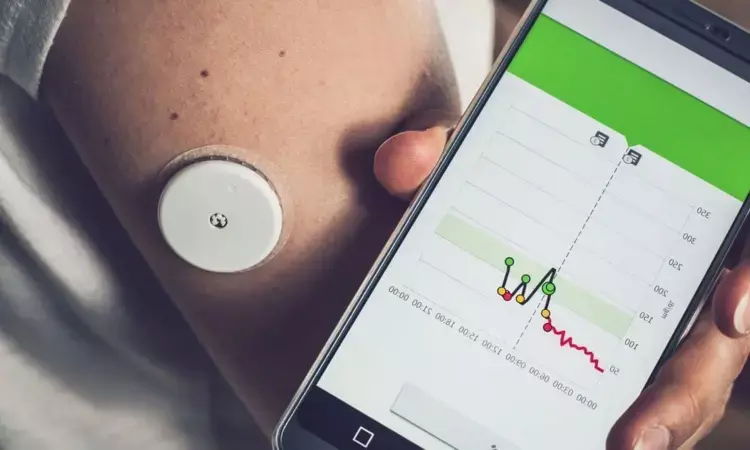


NICE has recommended wider access to continuous glucose monitoring (CGM) for adults with type 2 diabetes, particularly those receiving insulin therapy, in its 2022 guidance.
The recommendations call for offering flash glucose monitoring to people at higher risk of hypoglycaemia or those who struggle with conventional finger-prick testing, while also considering real-time CGM where cost permits. The guidance highlights the importance of patient education, regular review, backup capillary testing, and addressing inequalities to ensure fair access to this technology.
1. Offer intermittently scanned continuous glucose monitoring (isCGM, commonly referred to as 'flash') to adults with type 2 diabetes on multiple daily insulin injections if any of the following apply:
• they have recurrent hypoglycaemia or severe hypoglycaemia
• they have impaired hypoglycaemia awareness
• they have a condition or disability (including a learning disability or cognitive impairment) that means they cannot self-monitor their blood glucose by capillary blood glucose monitoring but could use an isCGM device (or have it scanned for them)
• they would otherwise be advised to self-measure at least 8 times a day.
For guidance on continuous glucose monitoring (CGM) in pregnancy, see NICE's guideline on diabetes in pregnancy.
2. Offer isCGM to adults with insulin-treated type 2 diabetes who would otherwise need help from a care worker or healthcare professional to monitor their blood glucose.
3. Consider real-time continuous glucose monitoring (rtCGM) as an alternative to isCGM for adults with insulin-treated type 2 diabetes if it is available for the same or lower cost.
4. CGM should be provided by a team with expertise in its use, as part of supporting people to self-manage their diabetes.
5. Advise adults with type 2 diabetes who are using CGM that they will still need to take capillary blood glucose measurements (although they can do this less often). Explain that is because:
• they will need to use capillary blood glucose measurements to check the accuracy of their CGM device
• they will need capillary blood glucose monitoring as a back-up (for example when their blood glucose levels are changing quickly or if the device stops working).
Provide them with enough test strips to take capillary blood glucose measurements as needed.
6. If a person is offered rtCGM or isCGM but cannot or does not want to use any of these devices, offer capillary blood glucose monitoring.
7. Ensure CGM is part of the education provided to adults with type 2 diabetes who are using it (see the section on education).
8. Monitor and review the person's use of CGM as part of reviewing their diabetes care plan (see the section on individualised care).
9. If there are concerns about the way a person is using the CGM device:
• ask if they are having problems using their device
• look at ways to address any problems and concerns to improve their use of the device, including further education and emotional and psychological support.
10. Commissioners, providers and healthcare professionals should address inequalities in CGM access and uptake by:
• monitoring who is using CGM
• identifying groups who are eligible but who have a lower uptake
• making plans to engage with these groups to encourage them to use CGM.
