
AI-Based Diabetic Retinopathy Screening Improves Care and Reduces Costs: Study
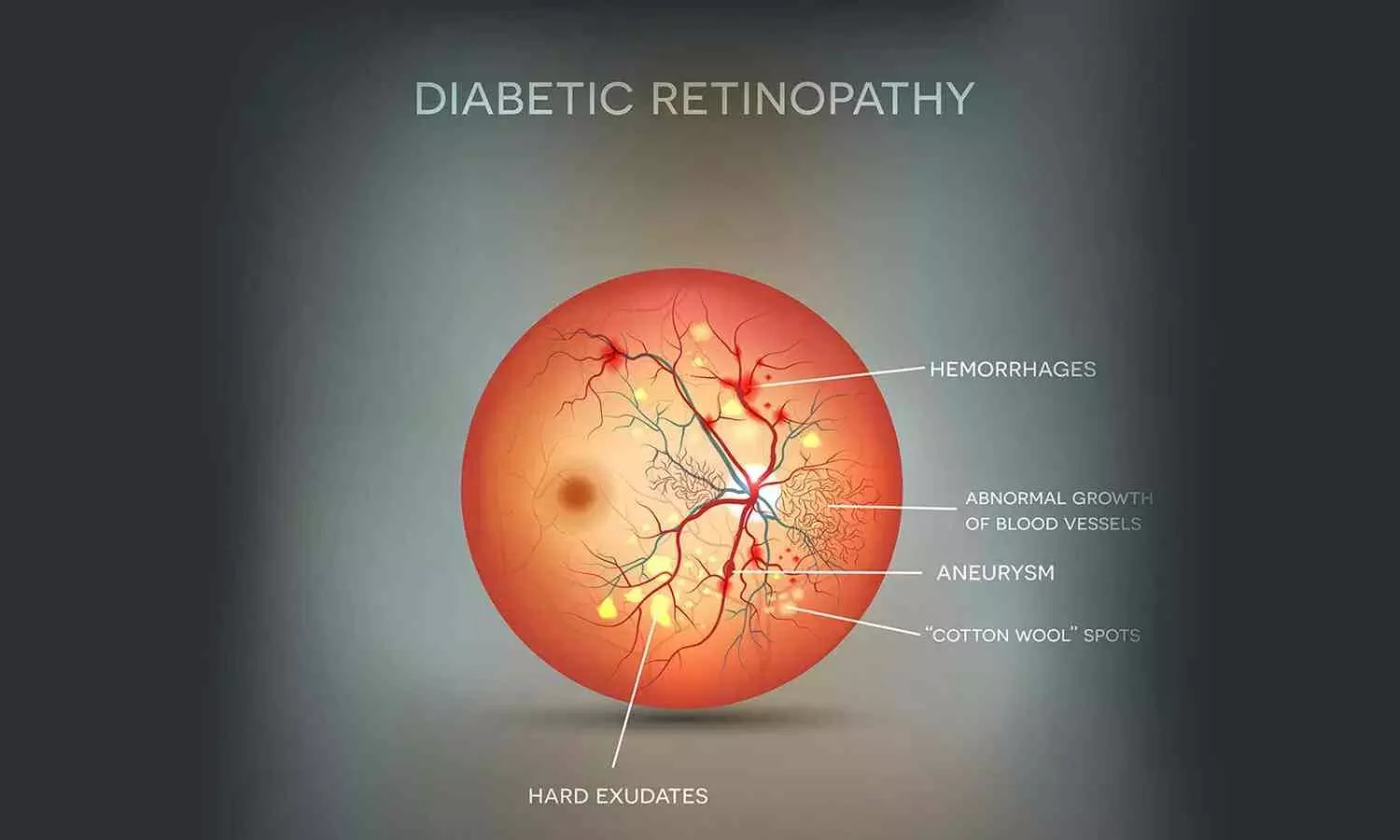


A new study published in the journal of Ophthalmology Retina showed that AI-based diabetic retinopathy screening can increase diagnostic effectiveness and improve access to care.
Diabetic retinopathy (DR) is a significant microvascular consequence of diabetes and a leading cause of avoidable blindness and visual impairment globally. Regular retinal screening can lower the risk of vision-threatening diseases and enable prompt management. However, especially in geographically deprived regions, traditional screening pathways may be linked to significant expenses for transportation, clinical staff, infrastructure, and expert time. By allowing retinal pictures to be taken in primary care or community-based facilities and remotely evaluated by qualified ophthalmology experts, teleretinal screening provides an alternate method. These initiatives may increase screening coverage and accessibility, but their viability from an economic standpoint depends on the resources needed for their implementation and upkeep.
Activity-based costing (ABC) offers a precise framework for analyzing these costs by allocating funds to the various activities and resources involved in service delivery. Unlike previous pricing approaches, ABC may discriminate between the costs of patient registration, retinal imaging, picture interpretation, referrals, follow-up, equipment, people, and IT. Using an ABC method for diabetic retinopathy teleretinal screening allows for a more accurate assessment of program-level resource use and possible cost savings. Such a study is especially useful for healthcare executives and policymakers who want to know if teleretinal screening can provide efficient, scalable, and economically sustainable DR screening while ensuring timely access to eye treatment.
To calculate the cost of screening, activity-based costing was applied to the operational screening process. Retrospective chart analysis and data from the Centers for Medicare and Medicaid Services and Harris Health System (HHS) were used to determine actual expenses. Cost reductions were calculated by comparing the actual costs of screening and treatment with the theoretical costs of in-clinic exams and delayed action. Estimates of expenses and savings in US dollars were the principal outcome of this study.
The average overall cost (including therapy) per patient was calculated to be $43.14, whereas the cost of teleretinal screening per patient was found to be $27.35. The cost savings estimates for the physical examination-only and treatment-only models were $2,047,442.53 and $1,148,597.35, respectively.
Overall, teleretinal screening are supported by the significant cost savings that the HHS DR teleretinal screening program produces when compared to traditional screening. It might also be assumed that early illness identification and treatment will result in further indirect economic advantages.
Reference:
Garoon, R. B., Lin, W. V., Young, A. K., Yeh, A. G., Chu, Y. I., & Weng, C. Y. (2018). Cost savings analysis for a diabetic retinopathy teleretinal screening program using an activity-based costing approach. Ophthalmology Retina, 2(9), 906–913. https://doi.org/10.1016/j.oret.2018.01.020

