
Atherogenic Index of Plasma Linked to Diabetic Kidney Disease Progression in Type 2 Diabetes: Study
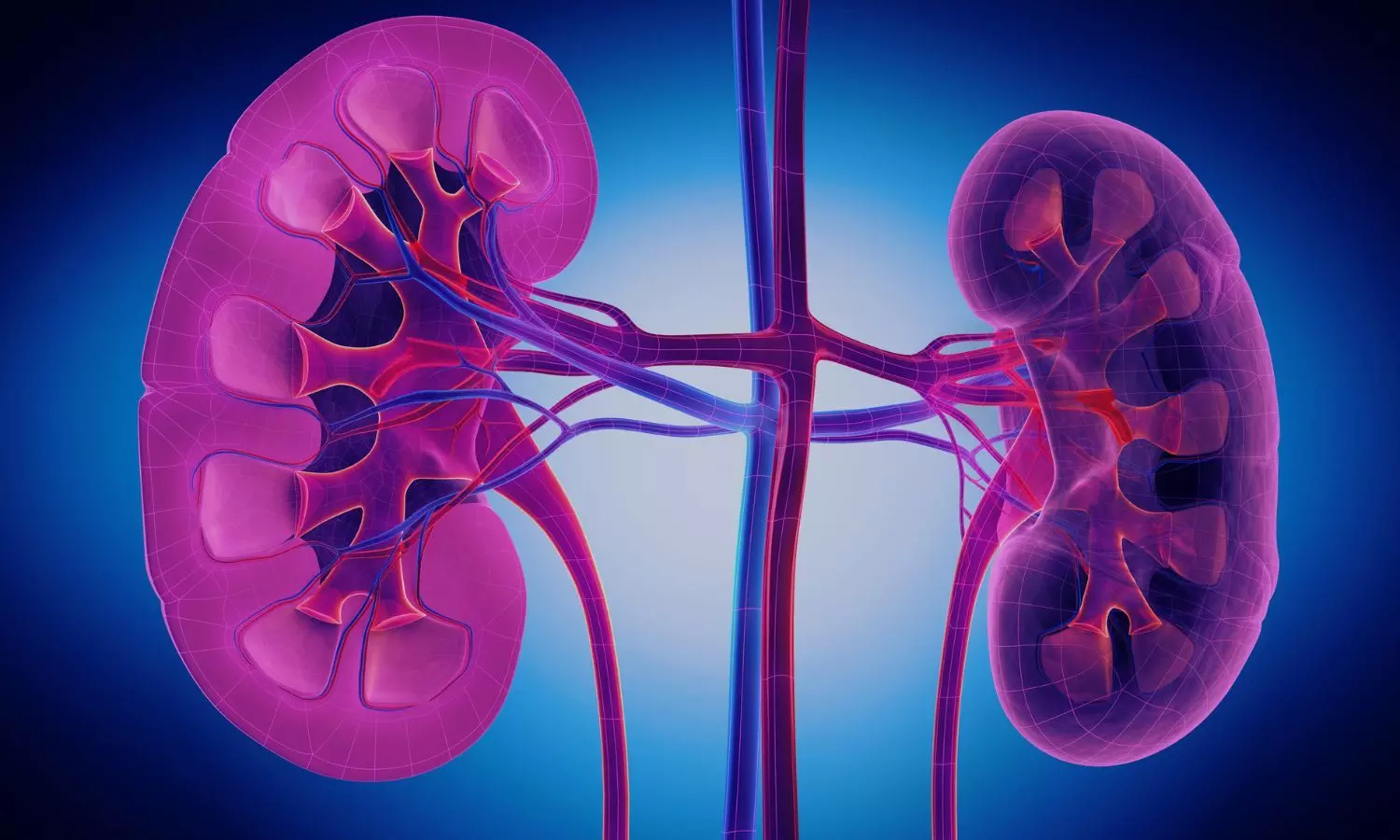


A new study published in the journal of Frontiers in Medicine showed that for those with type 2 diabetes (T2D), the Atherogenic Index of Plasma (AIP) may be a straightforward and practical indicator for determining the risk of diabetic kidney disease development.
The primary cause of end-stage kidney disease worldwide and a major contributor to severe cardiovascular mortality is diabetic renal disease. Early detection is therefore essential. Increased albuminuria often precedes a reduction in glomerular filtration rate in the early stages, indicating a higher likelihood of progression. Through inflammatory pathways, atherogenic dyslipidemia can cause kidney damage in people with type 2 diabetes. These lipid abnormalities are combined into a succinct ratio by the atherogenic index of plasma. Although there is a high correlation between this index and macrovascular problems and diabetes, its independent predictive value for the course of diabetic kidney disease is yet unknown.
A long-term cohort study of persons with type 2 diabetes was carried out by researchers to address this. To test the hypothesis that baseline atherogenic index indicates progression risk beyond recognized clinical variables and other conventional baseline lipid markers, the study looks into whether baseline atherogenic index independently predicts albuminuria progression and filtration rate reduction.
There were 936 persons with type 2 diabetes in this long-term cohort research. Log10 (triglyceride/high-density lipoprotein cholesterol) was used to calculate baseline AIP, which was then continuously and quartile-analyzed. Progression of albuminuria and a persistent ≥50% decrease in estimated glomerular filtration rate (eGFR) were the results. Cox proportional hazards models that were modified for baseline renal, metabolic, and demographic factors were used to evaluate associations.
Greater risks of renal outcomes were independently linked to higher AIP. Albuminuria progression (adjusted hazard ratio [HR] 1.25, 95% confidence interval [CI] 1.06–1.47, P = 0.007) and prolonged eGFR reduction (adjusted HR 1.59, 95% CI 1.25–2.02, P < 0.001) were linked to each standard-deviation rise in AIP.
The highest AIP quartile was linked to increased risks of both eGFR decrease (adjusted HR 3.32, 95% CI 1.53–7.24, P = 0.002) and albuminuria progression (adjusted HR 2.09, 95% CI 1.23–3.57, P = 0.007). Across subgroups, associations were directionally consistent. Overall, the findings suggest that baseline AIP has weaker, less definite correlations with the evolution of albuminuria and reflects an atherogenic milieu relevant to eventual renal function decline in type 2 diabetes.
Source:
Shih, H.-M., Liu, S.-C., Chien, K.-L., Fan, H.-Y., Tsai, M.-C., & Chuang, S.-M. (2026). Atherogenic index of plasma predicts progression of diabetic kidney disease. Frontiers in Medicine, 13(1830550), 1830550. https://doi.org/10.3389/fmed.2026.1830550

