
- Home
- Medical news & Guidelines
- Anesthesiology
- Cardiology and CTVS
- Critical Care
- Dentistry
- Dermatology
- Diabetes and Endocrinology
- ENT
- Gastroenterology
- Medicine
- Nephrology
- Neurology
- Obstretics-Gynaecology
- Oncology
- Ophthalmology
- Orthopaedics
- Pediatrics-Neonatology
- Psychiatry
- Pulmonology
- Radiology
- Surgery
- Urology
- Laboratory Medicine
- Diet
- Nursing
- Paramedical
- Physiotherapy
- Health news
- Fact Check
- Bone Health Fact Check
- Brain Health Fact Check
- Cancer Related Fact Check
- Child Care Fact Check
- Dental and oral health fact check
- Diabetes and metabolic health fact check
- Diet and Nutrition Fact Check
- Eye and ENT Care Fact Check
- Fitness fact check
- Gut health fact check
- Heart health fact check
- Kidney health fact check
- Medical education fact check
- Men's health fact check
- Respiratory fact check
- Skin and hair care fact check
- Vaccine and Immunization fact check
- Women's health fact check
- AYUSH
- State News
- Andaman and Nicobar Islands
- Andhra Pradesh
- Arunachal Pradesh
- Assam
- Bihar
- Chandigarh
- Chattisgarh
- Dadra and Nagar Haveli
- Daman and Diu
- Delhi
- Goa
- Gujarat
- Haryana
- Himachal Pradesh
- Jammu & Kashmir
- Jharkhand
- Karnataka
- Kerala
- Ladakh
- Lakshadweep
- Madhya Pradesh
- Maharashtra
- Manipur
- Meghalaya
- Mizoram
- Nagaland
- Odisha
- Puducherry
- Punjab
- Rajasthan
- Sikkim
- Tamil Nadu
- Telangana
- Tripura
- Uttar Pradesh
- Uttrakhand
- West Bengal
- Medical Education
- Industry
GLP-1 Receptor Agonists May Reduce CV and Thromboembolic Risks in Obesity and Autoimmune Disease: Study
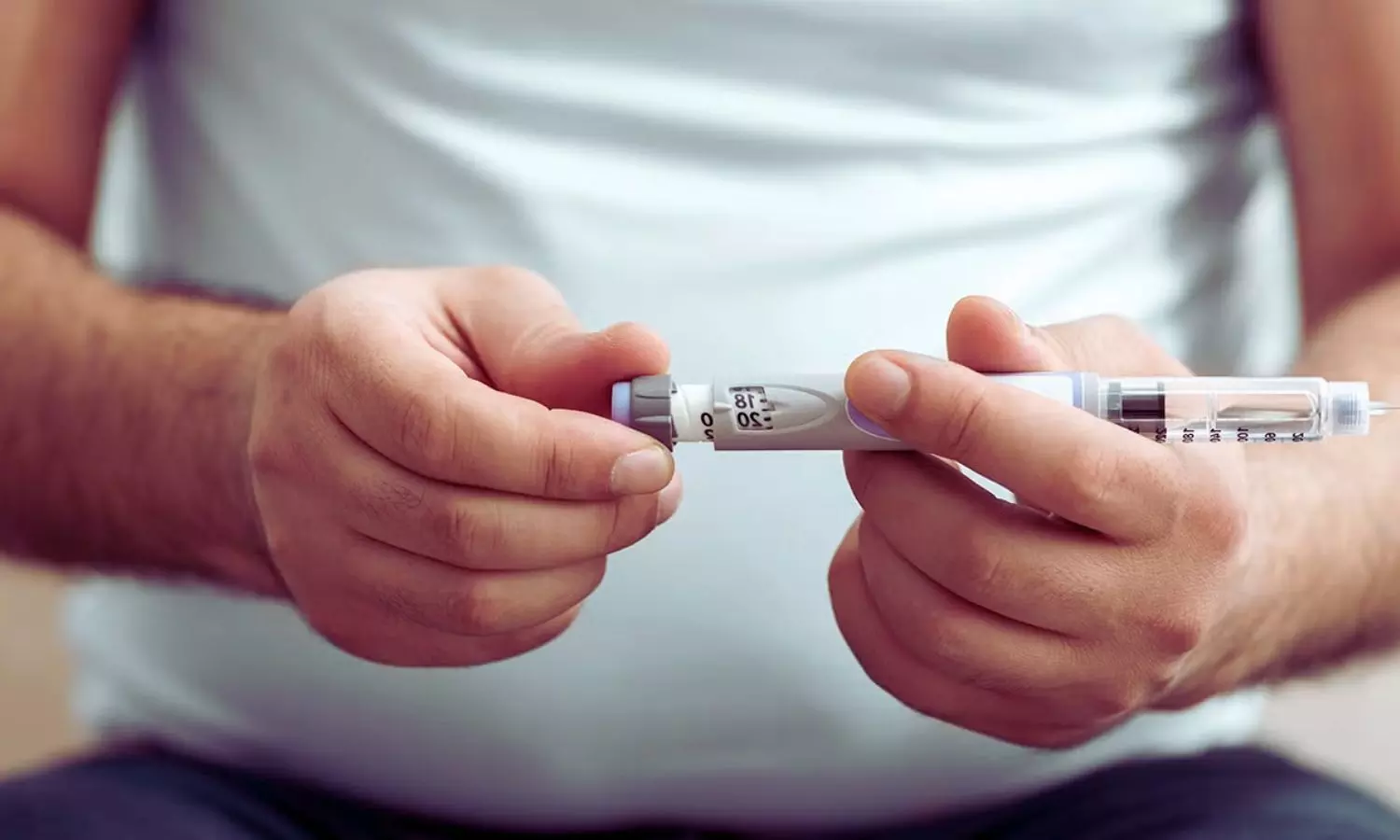
USA: Emerging evidence suggests that glucagon-like peptide-1 (GLP-1) receptor agonists may provide important benefits for patients with both obesity and autoimmune diseases. In a real-world target trial emulation study with up to 10 years of follow-up, GLP-1 users experienced a 31% lower risk of pulmonary embolism (PE), a 17% lower risk of venous thromboembolism (VTE), a 13% lower risk of stroke or transient ischemic attack (TIA), and a 21% lower risk of emergency department visits compared with non-users.
- GLP-1 receptor agonist use was associated with a 13% lower risk of stroke or transient ischemic attack.
- Users had a 31% lower risk of pulmonary embolism.
- The risk of venous thromboembolism was reduced by 17%.
- Emergency department visits were 21% less frequent among GLP-1 users.
- All-cause mortality was 44% lower in patients receiving GLP-1 receptor agonists.
- The analysis also suggested potential benefits for myocardial infarction, although these associations were less definitive.
The researchers noted that variations in autoimmune disease severity and cardiovascular risk may have affected the findings. They also acknowledged the potential influence of unmeasured factors, including disease activity, socioeconomic status, and immunosuppressive therapy use. Additionally, the observational design could not determine the specific mechanisms underlying the observed benefits.

MSc. Biotechnology
Medha Baranwal holds a Bachelor’s degree in Biomedical Sciences from the University of Delhi and a Master’s degree in Biotechnology from Amity University. Since May 2018, she has been contributing to Medical Dialogues, writing and editing medical news articles that translate complex research into clear, accessible information for healthcare professionals.
Dr Kamal Kant Kohli-MBBS, DTCD- a chest specialist with more than 30 years of practice and a flair for writing clinical articles, Dr Kamal Kant Kohli joined Medical Dialogues as a Chief Editor of Medical News. Besides writing articles, as an editor, he proofreads and verifies all the medical content published on Medical Dialogues including those coming from journals, studies,medical conferences,guidelines etc. Email: drkohli@medicaldialogues.in. Contact no. 011-43720751

