HbA1c Linked to Diabetic Peripheral Neuropathy Severity, Unlike Lipid Ratios or Insulin Resistance: Study
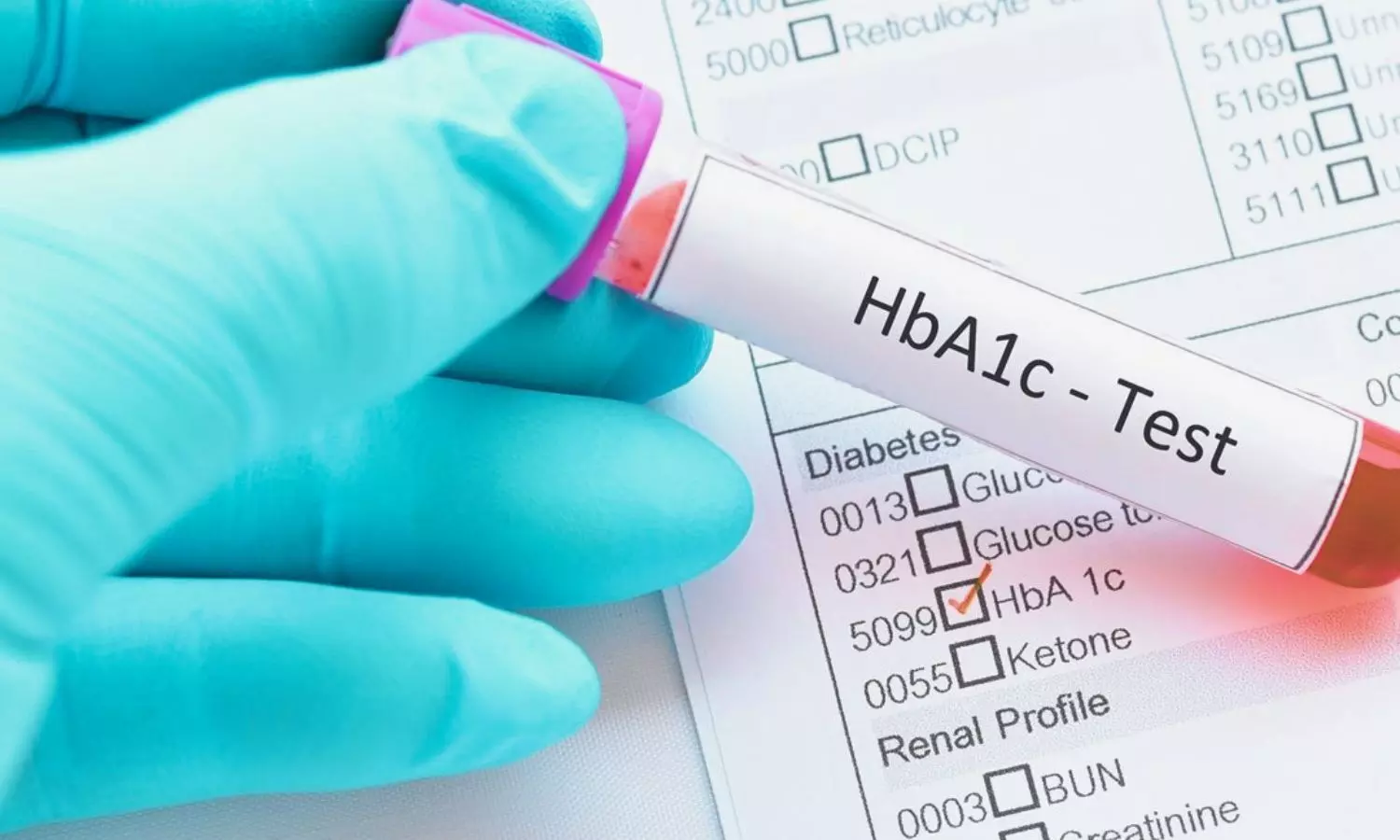


Researchers have found in a new research that HbA1c shows a strong association with the severity of diabetic peripheral neuropathy, whereas LDL/HDL ratio and HOMA-IR do not demonstrate significant correlations. However further studies are needed to better understand these metabolic relationships and their clinical implications. The study was published in Endocrine Regulations by Nisintha A. and colleagues.
This is a prospective observational study conducted at PSG Institute of Medical Sciences and Research, Peelamedu, Coimbatore, India; the duration will be from August 2023 to August 2024. Ethical clearance is obtained, and written informed consent is collected before enrolling all subjects in the study.
Ninety adults with T2DM taking oral hypoglycemic agents were enrolled in the study. Fasting plasma glucose, glycated hemoglobin (HbA1c), lipid profile, and plasma insulin levels were determined in blood samples. The LDL/HDL ratio was calculated as an indicator of lipid imbalance, while the HOMA-IR served as an index of insulin resistance. Using a biothesiometer allowed the objective assessment of diabetic peripheral neuropathy severity, which made the classification of participants into those with mild and severe DPN according to vibration perception thresholds possible.
Key Findings
Glycemic control emerged as the strongest metabolic correlate of neuropathy severity. Patients with severe DPN had significantly higher HbA1c levels compared with those with mild DPN.
HbA1c:
Severe DPN: 12.1 ± 1.3%
Mild DPN: 8.4 ± 2.0%
P = 0.002
LDL/HDL ratio:
Severe DPN: 3.6 ± 1.8
Mild DPN: 2.5 ± 1.0
P = 0.12 (not significant)
HOMA-IR:
Severe DPN: 10.2 ± 2.8
Mild DPN: lower values
P = 0.23 (not significant)
Although both the LDL/HDL ratio and HOMA-IR were higher, albeit numerically, in severe DPN cases, these differences did not reach statistical significance.
In the current prospective observational study, HbA1c exhibited a strong and significant correlation with the severity of diabetic peripheral neuropathy, while the LDL/HDL ratio and HOMA-IR did not. These results emphasize poor long-term glycemic control as the dominant metabolic factor associated with worsening neuropathy in patients with type 2 diabetes mellitus.
Reference:
Nisintha, Anand, et al. "LDL/HDL ratio and HOMA-IR as markers of severity of peripheral neuropathy in diabetic population" Endocrine Regulations, vol. 59, no. 1, Slovak Academy of Sciences, Institute of Experimental Endocrinology, 2025, pp. 217-226. https://doi.org/10.2478/enr-2025-0025