HbA1c May Underestimate Glycemic Control in Patients With Polycythemia: Study
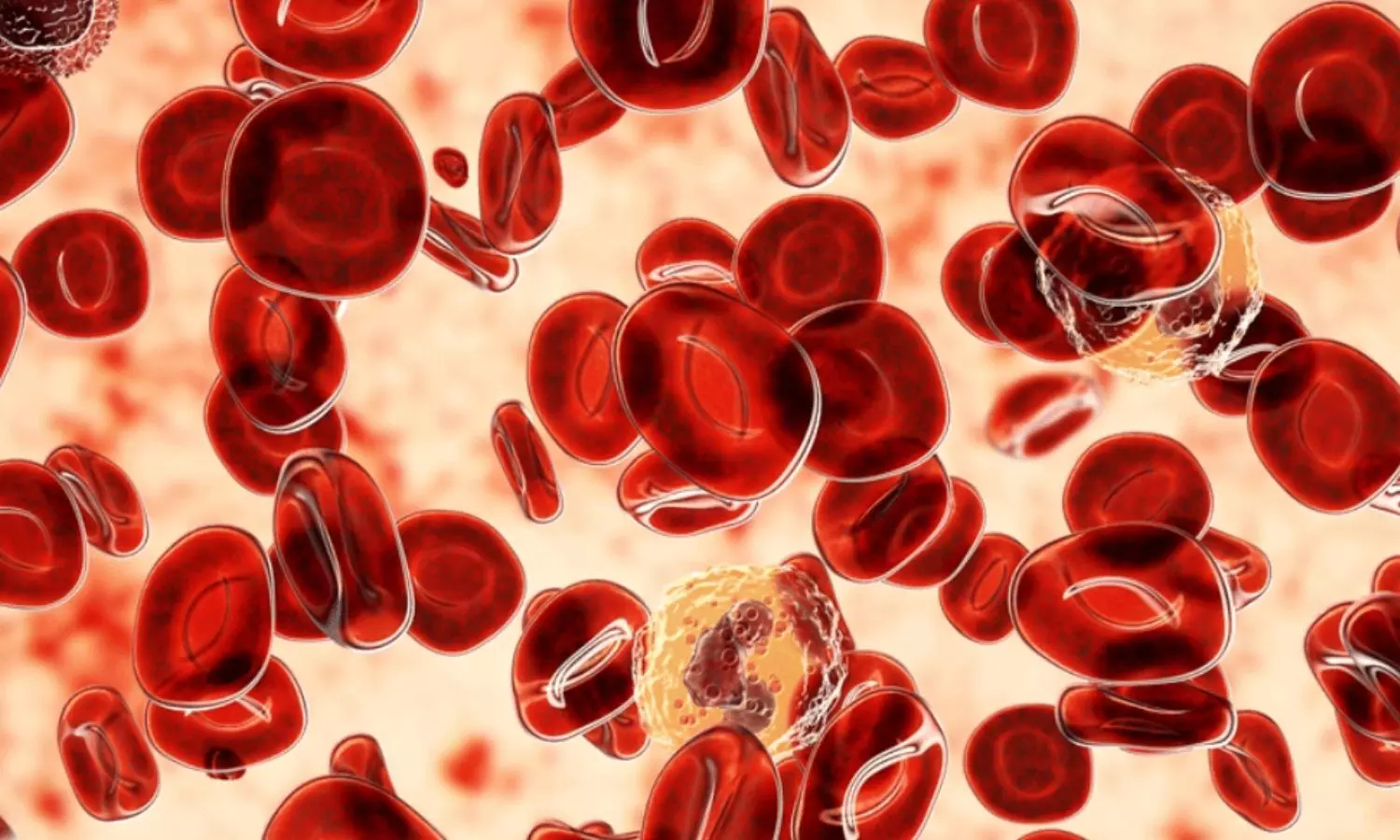


A new study published in the journal of Acta Diabetologica showed that in individuals with polycythemia, glycated hemoglobin (HbA1c) can consistently underestimate real glycemic status, which could result in a clinically significant misclassification of diabetes management.
The main indicator for tracking long-term glycemic management in diabetes is HbA1c. Conditions like secondary polycythemia, which are frequently brought on by smoking or high altitudes, might change erythrocyte longevity and provide false HbA1c values since it depends on red blood cell turnover. Since fructosamine monitors protein glycation without the need for erythrocytes, it is a dependable substitute marker. This study assesses the diagnostic concordance of HbA1c, fructosamine, and capillary glucose among type 2 diabetes patients with secondary polycythemia residing in the high-altitude city of Kütahya in order to fill a clear gap in within-subject clinical data and determine whether fructosamine offers superior overall clinical value.
Patients with T2DM and secondary polycythemia (n = 62) and T2DM controls with normal hematological indices (n = 40) were included in this prospective observational analysis. Estimated mean plasma glucose (eMPG) obtained from HbA1c and fructosamine was compared with structured home capillary blood glucose (CBG; seven daily measures × five days). Multivariate linear regression and Bland-Altman analysis were used to account for sex, age, BMI, diabetes duration, smoking, fasting glucose, hemoglobin, and hematocrit.
While fructosamine (456.53 ± 90.18 vs. 404.18 ± 97.63 µmol/L; p = 0.001) and Home-CBG (207.23 ± 49.18 vs. 181.98 ± 55.31 mg/dL; p = 0.002) were substantially higher in the polycythemia group, fasting plasma glucose and HbA16). A systematic negative bias of HbA1c-derived eMPG was established by Bland-Altman analysis (mean bias: −23.73 mg/dL; 95% LoA: −45.97 to −1.48).
The largest independent correlation with HbA1c underestimation on multivariate regression was polycythemia group assignment (β=−16.80 mg/dL; 95% CI: −25.53 to −8.07; p<0.001). The agreement between fructosamine-derived eMPG and Home-CBG was significantly superior (bias: +7.68 mg/dL). Based on fructosamine rather than HbA1c, 60% of individuals with polycythemia would have been placed in a different glycemic management group.
Regardless of significant confounders, HbA1c consistently underestimates glycemic status in individuals with secondary polycythemia; a mean bias of around -23 mg/dL is sufficient to result in clinically significant glycemic misclassification in 60% of afflicted patients. Also, fructosamine exhibited closer agreement with real-life glucose readings and appears to be a valuable supplementary biomarker when HbA1c is inconsistent with clinical results.
Source:
Erarslan, S., Kilit, T. P., & Acet, A. (2026). Glycemic assessment in diabetic patients with secondary polycytheamia: limitations of HbA1c and the potential role of fructosamine-a prospective comparative study. Acta Diabetologica. https://doi.org/10.1007/s00592-026-02735-z