
Hypoglossal Nerve Stimulation May Improve Glycemic Control in Patients with Diabetes and OSA: Study
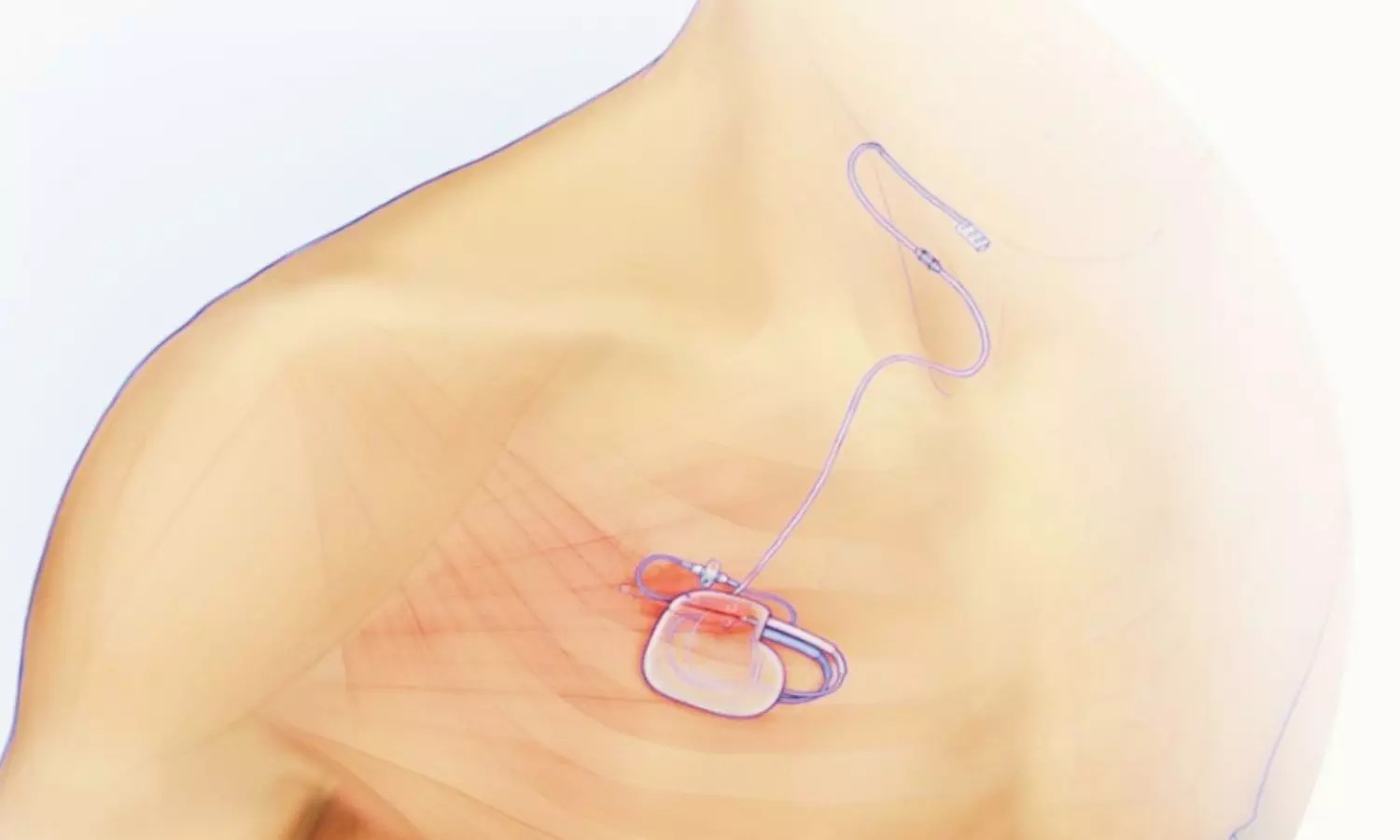


USA: A retrospective cohort study found that hypoglossal nerve stimulation (HNS) therapy was associated with trends toward lower HbA1c levels and reduced insulin dependence among diabetes patients with obstructive sleep apnea. However, these improvements did not achieve statistical significance.
The findings suggest that hypoglossal nerve stimulation (HNS) may offer potential benefits for diabetes management, highlighting the need for larger prospective studies to better define its role in improving glycemic control. The study was published in Sleep and Breathing and conducted by Ahsan Ahmed and colleagues from Albert Einstein College of Medicine, Bronx, New York, USA.
Obstructive sleep apnea (OSA) is a common sleep-related breathing disorder that frequently coexists with type 2 diabetes and is known to adversely affect metabolic health. Hypoglossal nerve stimulation is an established treatment for moderate-to-severe OSA that works by activating upper airway muscles during sleep, helping to maintain airway patency. While HNS has been shown to improve sleep apnea outcomes, its potential impact on diabetes control has remained largely unexplored.
To investigate this relationship, researchers conducted a retrospective review of patients with type 2 diabetes who underwent HNS therapy between January 2020 and October 2024 at an academic medical center. The analysis included 17 patients and evaluated changes in sleep apnea severity, glycemic control, insulin use, and diabetes medication requirements following HNS implantation.
The study population had a mean age of 65.3 years, with men accounting for 52.9% of participants. The average body mass index was 30.4 kg/m², and the mean baseline apnea-hypopnea index (AHI) was 32.4 events per hour, indicating clinically significant OSA.
The following were the key findings:
- Mean HbA1c levels decreased from 6.60% before HNS implantation to 6.26% after treatment, reflecting an average reduction of 0.31 percentage points.
- Although the reduction in HbA1c was not statistically significant, it indicated a favorable trend toward improved glycemic control.
- Of the six patients who were insulin-dependent before HNS therapy, three (50%) were able to discontinue insulin use during follow-up.
- Greater improvements in obstructive sleep apnea severity were significantly associated with larger reductions in HbA1c levels.
- Improvements in the apnea-hypopnea index (AHI) correlated with improvements in glycemic control.
- Patients with a reduced diabetes medication burden also showed significant improvements in both HbA1c levels and sleep apnea severity.
- The findings suggest a potential link between response to HNS therapy and better metabolic outcomes.
The authors acknowledged the study's limitations, including its small sample size, retrospective design, and potential influence of factors such as diet, physical activity, and diabetes medications.
Overall, HNS therapy was associated with favorable trends toward improved glycemic control and reduced insulin use in patients with type 2 diabetes and OSA. However, larger prospective controlled studies are needed to confirm these findings and identify the patients most likely to benefit.
Reference:
Ahmed, A., Segal, S. & Gibber, M. Glycemic trends following hypoglossal nerve stimulation in patients with obstructive sleep apnea and type 2 diabetes. Sleep Breath 30, 191 (2026). https://doi.org/10.1007/s11325-026-03736-6

Next Story