
Ketogenic Diet Reduces Pancreatic Stress in People with Diabetes, Reveals Study
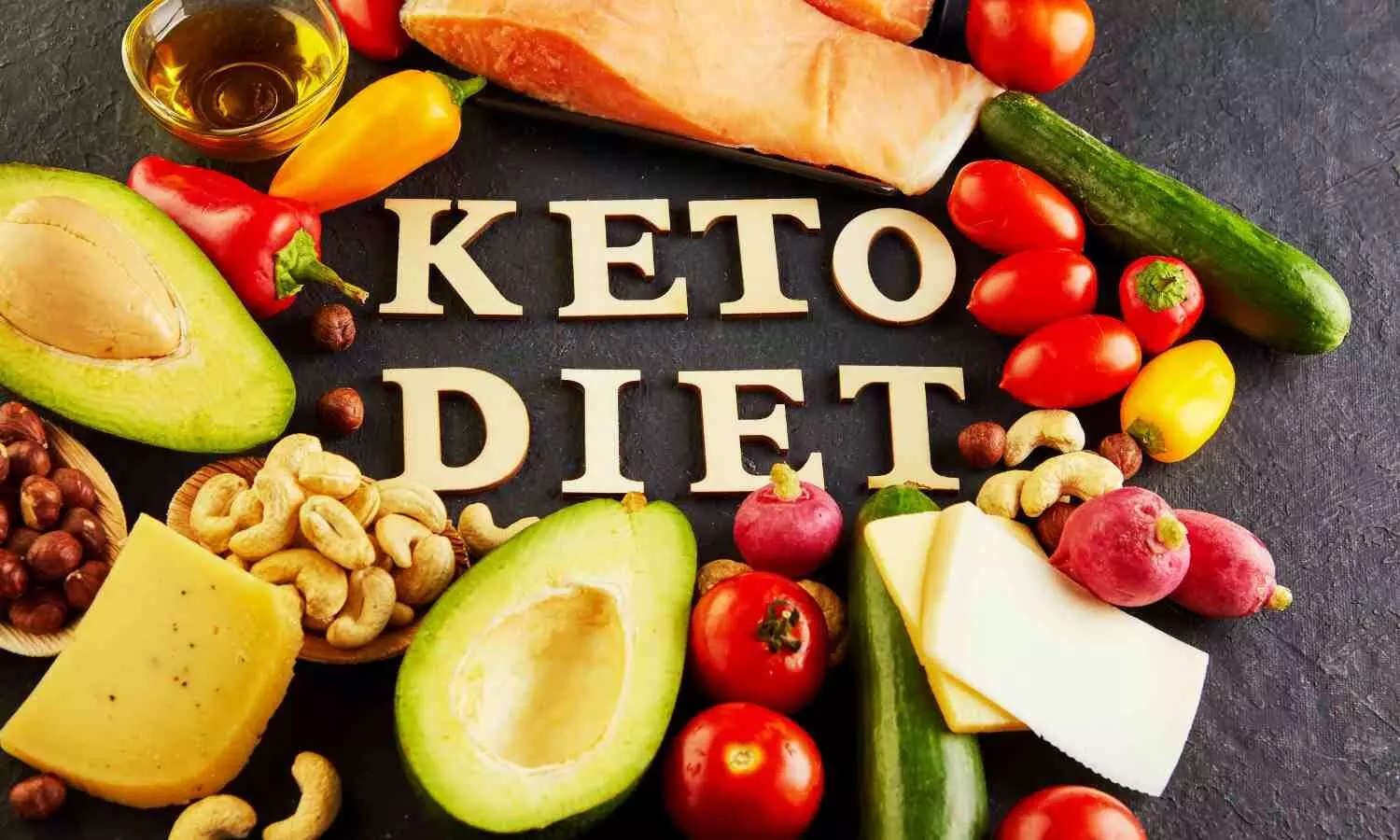


USA: Researchers have found in a new study that a ketogenic diet may improve pancreatic beta-cell function in people with diabetes by lowering the proinsulin–C-peptide ratio, a key biomarker of beta-cell stress. This suggests reduced strain on insulin-producing cells and potential metabolic benefits.
The findings, published in the Journal of the Endocrine Society by Marian L. Yurchishin and colleagues from the University of Alabama at Birmingham, provide new insights into how dietary interventions may influence pancreatic health in individuals with type 2 diabetes (T2D). The proinsulin-to-C-peptide (PICP) ratio is increasingly recognised as an indicator of beta-cell stress, with higher levels reflecting impaired insulin processing.
For this purpose, the researchers conducted a 12-week randomized study involving 51 participants with T2D, with an average age of 55 years. The cohort was predominantly female (76%), and over half were African American. Participants were assigned to either a ketogenic diet (KD) or a low-fat diet (LFD) to compare their effects on beta-cell function and related metabolic markers.
To assess outcomes, the team measured fasting and stimulated PICP levels, along with acute and maximal C-peptide responses using a hyperglycemic clamp technique. Statistical analyses were performed to evaluate the relationship between dietary intervention and changes in these biomarkers, while also accounting for baseline values and glucose levels.
The researchers reported the following findings:
- Participants on the ketogenic diet showed a significantly greater reduction in the proinsulin–C-peptide ratio compared to those on the low-fat diet.
- This reduction remained significant after adjusting for baseline values and fasting glucose levels at 12 weeks.
- Similar improvements were observed in both fasting and post-stimulation PICP measurements.
- Decreases in PICP were associated with improvements in beta-cell function.
- Reduction in the PICP ratio correlated with an enhanced acute C-peptide response.
- Findings suggest improved insulin secretion capacity with lower PICP levels.
- Lower PICP may indicate better insulin production efficiency and reduced beta-cell stress.
The authors also proposed that the observed benefits may be partly mediated through reduced oxidative stress and improved metabolic conditions, such as decreased glucolipotoxicity. By alleviating these upstream stressors, a ketogenic diet may help preserve beta-cell function, particularly in the early stages of T2D.
However, the study has certain limitations. The relatively small sample size and the predominance of female participants may limit the generalisability of the findings. Additionally, the results may not apply to individuals with more advanced diabetes, where beta-cell damage is more severe. The study also could not establish whether changes in PICP directly drive improvements in beta-cell function or simply reflect broader metabolic changes.
Overall, the study suggests that a ketogenic diet may offer advantages over a low-fat diet in reducing beta-cell stress and improving pancreatic function in people with type 2 diabetes. The findings also highlight the potential of the PICP ratio as a practical biomarker for monitoring changes in beta-cell health in response to dietary interventions.
Reference:
Yurchishin, M. L., Finn, A. R., Fowler, L. A., Vere-Whiting, S. L., & Gower, B. A. (2026). Greater reduction in the proinsulin-C-peptide ratio with a ketogenic vs control diet in patients with type 2 diabetes. Journal of the Endocrine Society, 10(5). https://doi.org/10.1210/jendso/bvag073


Next Story