MASLD Linked to Higher Post-Meal Glucagon Levels in Newly Diagnosed Type 2 Diabetes: Study
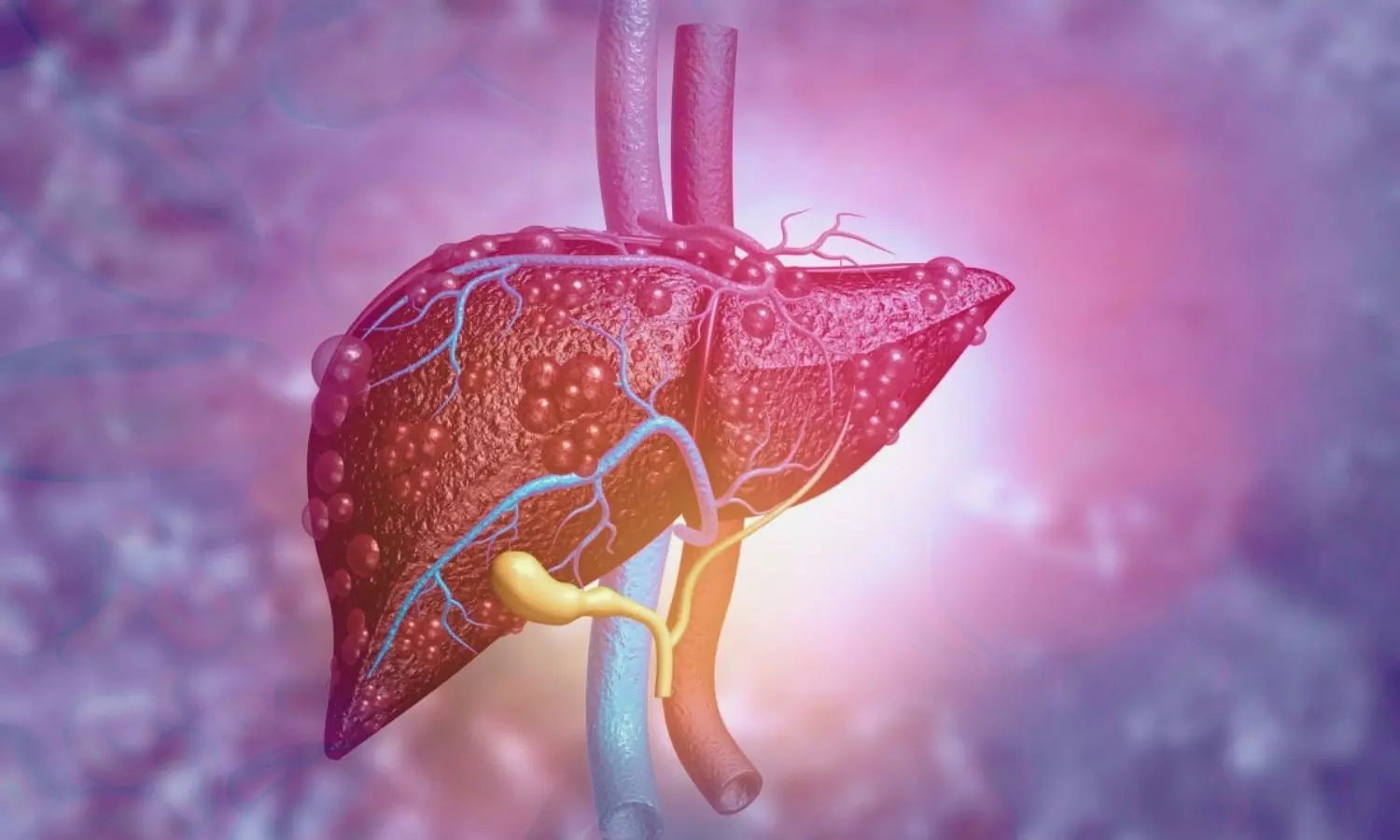


A study from the German Diabetes Center found that individuals with newly diagnosed type 2 diabetes and metabolic dysfunction-associated steatotic liver disease (MASLD) had significantly higher early postprandial glucagon levels compared with those without MASLD. The findings suggest that MASLD may contribute to altered glucagon regulation early in the course of diabetes, potentially influencing disease progression and metabolic outcomes. The study was published in the journal Diabetes Care by Maximilian H. and colleagues.
To meticulously examine the complicated associations between liver fat, glucose tolerance, and hormones secreted by the pancreas, scientists carried out an extensively-controlled multiple modalities examination among matched patients. Specifically, the experiment recruited 50 patients recently identified as suffering from type 2 diabetes, and another 50 NGT individuals as the control group. In other words, the two groups were perfectly matched by age, gender, and body mass index (BMI). As for measurements, all 100 participants went through liquid mixed-meal tolerance test in order to record their plasma levels of glucagon, amino acids, and free fatty acids.
To obtain a clear idea about their cellular sensitivity to insulin, scientists carried out hyperinsulinemic-euglycemic clamp studies along with stable isotope dilution studies as well as measuring lipid oxidation rates using indirect calorimetry method. Importantly, to quantify the levels of HLC, ATP content in liver cells, and overall VAT volume, scientists employed non-invasive high-precision medical imaging techniques, including 1H and 31P MRS along with regular MRI.
Key findings:
- The results of the metabolic study experiment demonstrated successful assessment of a composite sample population of 100 participants, divided equally into 50 patients with early diagnosis of T2D and 50 healthy NGT controls.
- It was identified that patients suffering from newly diagnosed T2D had a basal level of liver fat content that was approximately 65% higher compared to their NGT counterparts.
- At the baseline stage of the investigation, it was revealed that fasting glucagonemia was approximately 30% higher in the early T2D group of patients compared to the healthy control sample.
- Upon ingestion of the liquid mixed meal test, postprandial concentration of glucagon increased by about 75% in patients suffering from T2D compared to the control sample.
- The interaction of MASLD with T2D resulted in a 47% increase in the level of postprandial glucagon in early T2D patients.
- The multivariable linear regression showed that presence of MASLD significantly correlated with fasting hyperglucagonemia while abnormal postprandial glucagon was exclusively associated with HLC in T2D patients.
To conclude, hyperglucagonemia despite elevated HLC at the early stage of T2D cannot be caused by any differences in insulin sensitivity or glucagonotropic metabolites and may indicate hepatocellular glucagon resistance. These highly important physiological observations offer an absolutely novel point of view on metabolic disorders, and prove that an increase in liver fat negatively affects pancreatic hormone circuits already in the early stages of diabetes.
Reference:
Huttasch, M., Kahl, S., Mori, T., Heilmann, G., Schön, M., Trenkamp, S., Kupriyanova, Y., Schrauwen-Hinderling, V., Wewer Albrechtsen, N. J., Westhoff, P., Schrauwen, P., Wagner, R., Roden, M., & GDS Group* (2026). Increased Early Postprandial Glucagon Concentrations in Humans With Newly Diagnosed Type 2 Diabetes and Steatotic Liver Disease. Diabetes care, 49(6), 1048–1056. https://doi.org/10.2337/dc25-3077