Medical Dialogues
  • Dermatology
Login Register
This site is intended for healthcare professionals only
Login Register
  • MD Brand Connect
  • Webinars
  • Vaccine Hub
  • MDTV
    • Breaking News
    • Medical News Today
    • Health News Today
    • Latest
    • Journal Club
    • Medico Legal Update
    • Latest Webinars
    • MD Shorts
    • Health Dialogues
  • Fact Check
  • Health Dialogues
Medical Dialogues
  • Medical News & Guidelines
      • Anesthesiology
      • Cardiology and CTVS
      • Critical Care
      • Dentistry
      • Dermatology
      • Diabetes and Endocrinology
      • ENT
      • Gastroenterology
      • Medicine
      • Nephrology
      • Neurology
      • Obstretics-Gynaecology
      • Oncology
      • Ophthalmology
      • Orthopaedics
      • Pediatrics-Neonatology
      • Psychiatry
      • Pulmonology
      • Radiology
      • Surgery
      • Urology
      • Laboratory Medicine
      • Diet
      • Nursing
      • Paramedical
      • Physiotherapy
  • Health news
      • Doctor News
      • Government Policies
      • Hospital & Diagnostics
      • International Health News
      • Medical Organization News
      • Medico Legal News
      • NBE News
      • NMC News
  • Fact Check
      • Bone Health Fact Check
      • Brain Health Fact Check
      • Cancer Related Fact Check
      • Child Care Fact Check
      • Dental and oral health fact check
      • Diabetes and metabolic health fact check
      • Diet and Nutrition Fact Check
      • Eye and ENT Care Fact Check
      • Fitness fact check
      • Gut health fact check
      • Heart health fact check
      • Kidney health fact check
      • Medical education fact check
      • Men's health fact check
      • Respiratory fact check
      • Skin and hair care fact check
      • Vaccine and Immunization fact check
      • Women's health fact check
  • AYUSH
    • Ayurveda
    • Homeopathy
    • Siddha
    • Unani
    • Yoga
  • State News
      • Andaman and Nicobar Islands
      • Andhra Pradesh
      • Arunachal Pradesh
      • Assam
      • Bihar
      • Chandigarh
      • Chattisgarh
      • Dadra and Nagar Haveli
      • Daman and Diu
      • Delhi
      • Goa
      • Gujarat
      • Haryana
      • Himachal Pradesh
      • Jammu & Kashmir
      • Jharkhand
      • Karnataka
      • Kerala
      • Ladakh
      • Lakshadweep
      • Madhya Pradesh
      • Maharashtra
      • Manipur
      • Meghalaya
      • Mizoram
      • Nagaland
      • Odisha
      • Puducherry
      • Punjab
      • Rajasthan
      • Sikkim
      • Tamil Nadu
      • Telangana
      • Tripura
      • Uttar Pradesh
      • Uttrakhand
      • West Bengal
  • Medical Education
      • Ayush Education News
      • Dentistry Education News
      • Medical Admission News
      • Medical Colleges News
      • Medical Courses News
      • Medical Universities News
      • Nursing education News
      • Paramedical Education News
      • Study Abroad
  • Industry
      • Health Investment News
      • Health Startup News
      • Medical Devices News
      • Pharma News
      • Pharmacy Education News
      • AI and healthcare
      • Industry Perspective
  • MDTV
      • Health Dialogues MDTV
      • Health News today MDTV
      • Latest Videos MDTV
      • Latest Webinars MDTV
      • MD shorts MDTV
      • Medical News Today MDTV
      • Medico Legal Update MDTV
      • Top Videos MDTV
      • Health Perspectives MDTV
      • Journal Club MDTV
      • Medical Dialogues Show
This site is intended for healthcare professionals only
LoginRegister
Medical Dialogues
LoginRegister
  • Home
  • Medical news & Guidelines
    • Anesthesiology
    • Cardiology and CTVS
    • Critical Care
    • Dentistry
    • Dermatology
    • Diabetes and Endocrinology
    • ENT
    • Gastroenterology
    • Medicine
    • Nephrology
    • Neurology
    • Obstretics-Gynaecology
    • Oncology
    • Ophthalmology
    • Orthopaedics
    • Pediatrics-Neonatology
    • Psychiatry
    • Pulmonology
    • Radiology
    • Surgery
    • Urology
    • Laboratory Medicine
    • Diet
    • Nursing
    • Paramedical
    • Physiotherapy
  • Health news
    • Doctor News
    • Government Policies
    • Hospital & Diagnostics
    • International Health News
    • Medical Organization News
    • Medico Legal News
    • NBE News
    • NMC News
  • Fact Check
    • Bone Health Fact Check
    • Brain Health Fact Check
    • Cancer Related Fact Check
    • Child Care Fact Check
    • Dental and oral health fact check
    • Diabetes and metabolic health fact check
    • Diet and Nutrition Fact Check
    • Eye and ENT Care Fact Check
    • Fitness fact check
    • Gut health fact check
    • Heart health fact check
    • Kidney health fact check
    • Medical education fact check
    • Men's health fact check
    • Respiratory fact check
    • Skin and hair care fact check
    • Vaccine and Immunization fact check
    • Women's health fact check
  • AYUSH
    • Ayurveda
      • Ayurveda Giuidelines
      • Ayurveda News
    • Homeopathy
      • Homeopathy Guidelines
      • Homeopathy News
    • Siddha
      • Siddha Guidelines
      • Siddha News
    • Unani
      • Unani Guidelines
      • Unani News
    • Yoga
      • Yoga Guidelines
      • Yoga News
  • State News
    • Andaman and Nicobar Islands
    • Andhra Pradesh
    • Arunachal Pradesh
    • Assam
    • Bihar
    • Chandigarh
    • Chattisgarh
    • Dadra and Nagar Haveli
    • Daman and Diu
    • Delhi
    • Goa
    • Gujarat
    • Haryana
    • Himachal Pradesh
    • Jammu & Kashmir
    • Jharkhand
    • Karnataka
    • Kerala
    • Ladakh
    • Lakshadweep
    • Madhya Pradesh
    • Maharashtra
    • Manipur
    • Meghalaya
    • Mizoram
    • Nagaland
    • Odisha
    • Puducherry
    • Punjab
    • Rajasthan
    • Sikkim
    • Tamil Nadu
    • Telangana
    • Tripura
    • Uttar Pradesh
    • Uttrakhand
    • West Bengal
  • Medical Education
    • Ayush Education News
    • Dentistry Education News
    • Medical Admission News
    • Medical Colleges News
    • Medical Courses News
    • Medical Universities News
    • Nursing education News
    • Paramedical Education News
    • Study Abroad
  • Industry
    • Health Investment News
    • Health Startup News
    • Medical Devices News
    • Pharma News
      • CDSCO (Central Drugs Standard Control Organisation) News
    • Pharmacy Education News
    • AI and healthcare
    • Industry Perspective
  • Home
  • Diabetes and Endocrinology
  • Diabetes and Endocrinology News
  • Noninvasive imaging...

Noninvasive imaging could replace finger pricks for people with diabetes

Written By : Dr. Kamal Kant Kohli Published On 2026-01-12T22:30:10+05:30  |  Updated On 12 Jan 2026 10:30 PM IST
Noninvasive imaging could replace finger pricks for people with diabetes
  • facebook
  • twitter
  • linkedin
  • whatsapp
  • Telegram
  • Email

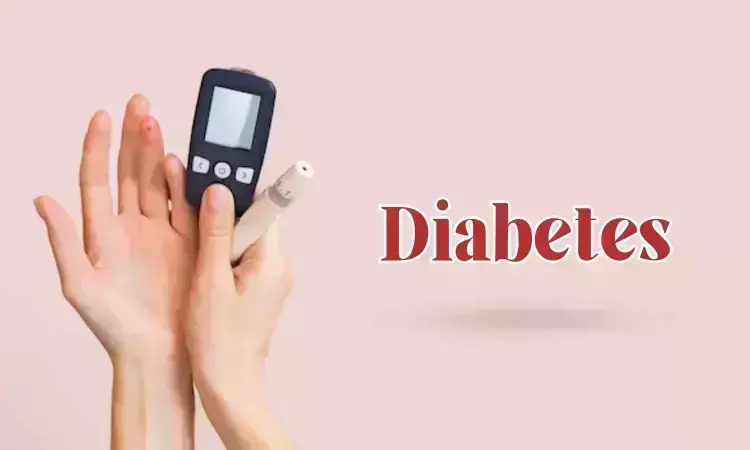
A noninvasive method for measuring blood glucose levels, developed at MIT, could save diabetes patients from having to prick their fingers several times a day.

The MIT team used Raman spectroscopy — a technique that reveals the chemical composition of tissues by shining near-infrared or visible light on them — to develop a shoebox-sized device that can measure blood glucose levels without any needles.

In tests in a healthy volunteer, the researchers found that the measurements from their device were similar to those obtained by commercial continuous glucose monitoring sensors that require a wire to be implanted under the skin. While the device presented in this study is too large to be used as a wearable sensor, the researchers have since developed a wearable version that they are now testing in a small clinical study.

“For a long time, the finger stick has been the standard method for measuring blood sugar, but nobody wants to prick their finger every day, multiple times a day. Naturally, many diabetic patients are under-testing their blood glucose levels, which can cause serious complications,” says Jeon Woong Kang, an MIT research scientist and the senior author of the study. “If we can make a noninvasive glucose monitor with high accuracy, then almost everyone with diabetes will benefit from this new technology.”

MIT postdoc Arianna Bresci is the lead author of the new study, which appears today in the journal Analytical Chemistry. Other authors include Peter So, director of the MIT Laser Biomedical Research Center (LBRC) and an MIT professor of biological engineering and mechanical engineering, and Youngkyu Kim and Miyeon Jue of Apollon Inc., a biotechnology company based in South Korea.

Noninvasive glucose measurement

While most diabetes patients measure their blood glucose levels by drawing blood and testing it with a glucometer, some use wearable monitors, which have a sensor that is inserted just under the skin. These sensors provide continuous glucose measurements from the interstitial fluid, but they can cause skin irritation and they need to be replaced every 10 to 15 days.

In hopes of creating wearable glucose monitors that would be more comfortable for patients, researchers in MIT’s LBRC have been pursuing noninvasive sensors based on Raman spectroscopy. This type of spectroscopy reveals the chemical composition of tissue or cells by analyzing how near-infrared light is scattered, or deflected, as it encounters different kinds of molecules.

In 2010, researchers at the LBRC showed that they could indirectly calculate glucose levels based on a comparison between Raman signals from the interstitial fluid that bathes skin cells and a reference measurement of blood glucose levels. While this approach produced reliable measurements, it wasn’t practical for translating to a glucose monitor.

More recently, the researchers reported a breakthrough that allowed them to directly measure glucose Raman signals from the skin. Normally, this glucose signal is too small to pick out from all of the other signals generated by molecules in tissue. The MIT team found a way to filter out much of the unwanted signal by shining near-infrared light onto the skin at a different angle from which they collected the resulting Raman signal.

The researchers obtained those measurements using equipment that was around the size of a desktop printer, and since then, they have been working on further shrinking the footprint of the device.

In their new study, they were able to create a smaller device by analyzing just three bands — spectral regions that correspond to specific molecular features — in the Raman spectrum.

Typically, a Raman spectrum may contain about 1,000 bands. However, the MIT team found that they could determine blood glucose levels by measuring just three bands — one from the glucose plus two background measurements. This approach allowed the researchers to reduce the amount and cost of equipment needed, allowing them to perform the measurement with a cost-effective device about the size of a shoebox.

“By refraining from acquiring the whole spectrum, which has a lot of redundant information, we go down to three bands selected from about 1,000,” Bresci says. “With this new approach, we can change the components commonly used in Raman-based devices, and save space, time and cost.”

Toward a wearable sensor

In a clinical study performed at the MIT Center for Clinical Translation Research (CCTR), the researchers used the new device to take readings from a healthy volunteer over a four-hour period. As the subject rested their arm on top of the device, a near-infrared beam shone through a small glass window onto the skin to perform the measurement.

Each measurement takes a little more than 30 seconds, and the researchers took a new reading every five minutes.

During the study, the subject consumed two 75-gram glucose drinks, allowing the researchers to monitor significant changes in blood glucose concentration. They found that the Raman-based device showed accuracy levels similar to those of two commercially available, invasive glucose monitors worn by the subject.

Since finishing that study, the researchers have developed a smaller prototype, about the size of an iPhone, that they are currently testing at the MIT CCTR as a wearable monitor in healthy and prediabetic volunteers. Next year, they plan to run a larger study working with a local hospital, which will include people with diabetes.

The researchers are also working on making the device even smaller, about the size of a watch. Additionally, they are exploring ways to ensure that the device can obtain accurate readings from people with different skin tones.

Reference:

Jeon Woong Kang, “Band-pass Raman spectroscopy unlocks compact non-invasive continuous glucose monitoring”, Analytical Chemistry, DOI: 10.1021/acs.analchem.5c01146

Analytical Chemistrydiabetesblood glucose
Source : Analytical Chemistry
Dr. Kamal Kant Kohli

Dr Kamal Kant Kohli-MBBS, DTCD- a chest specialist with more than 30 years of practice and a flair for writing clinical articles, Dr Kamal Kant Kohli joined Medical Dialogues as a Chief Editor of Medical News. Besides writing articles, as an editor, he proofreads and verifies all the medical content published on Medical Dialogues including those coming from journals, studies,medical conferences,guidelines etc. Email: drkohli@medicaldialogues.in. Contact no. 011-43720751

Show Full Article
Next Story

Editorial

FOGSI Expert Consensus Review Redefines Landscape of Endometriosis Management with Elagolix: 5 Key Takeaways

FOGSI Expert Consensus Review Redefines Landscape of Endometriosis Management with Elagolix: 5 Key...

Latest Triple Combination of Empagliflozin, Sitagliptin, and Metformin for Advanced Care in Indian T2DM Patients- When to Consider?

Latest Triple Combination of Empagliflozin, Sitagliptin, and Metformin for Advanced Care in Indian...

Abemaciclibs New Overall Survival Data in Early Breast Cancer: Findings from MonarchE trial

Abemaciclib's New Overall Survival Data in Early Breast Cancer: Findings from MonarchE trial

Abemaciclib Delivers New Overall Survival Data in Early Breast Cancer Patients

Abemaciclib Delivers New Overall Survival Data in Early Breast Cancer Patients

New Book on Early Breast Cancer Released at ISMPO Congress: A Comprehensive, Evidence-Based Guide for Clinicians

New Book on Early Breast Cancer Released at ISMPO Congress: A Comprehensive, Evidence-Based Guide...

View All

Journal Club Today

Lifestyle interventions proven effective in reducing gestational diabetes risk during pregnancy: Study

Lifestyle interventions proven effective in reducing gestational diabetes risk during pregnancy:...

View All

Health News Today

Health Bulletin 12/January/2026

Health Bulletin 12/January/2026

View All
© 2022 All Rights Reserved.
Powered By: Hocalwire
X
We use cookies for analytics, advertising and to improve our site. You agree to our use of cookies by continuing to use our site. To know more, see our Cookie Policy and Cookie Settings.Ok