
Polyendocrine Metabolic Ovarian Syndrome May Independently Predict Cardiovascular Disease: Lancet
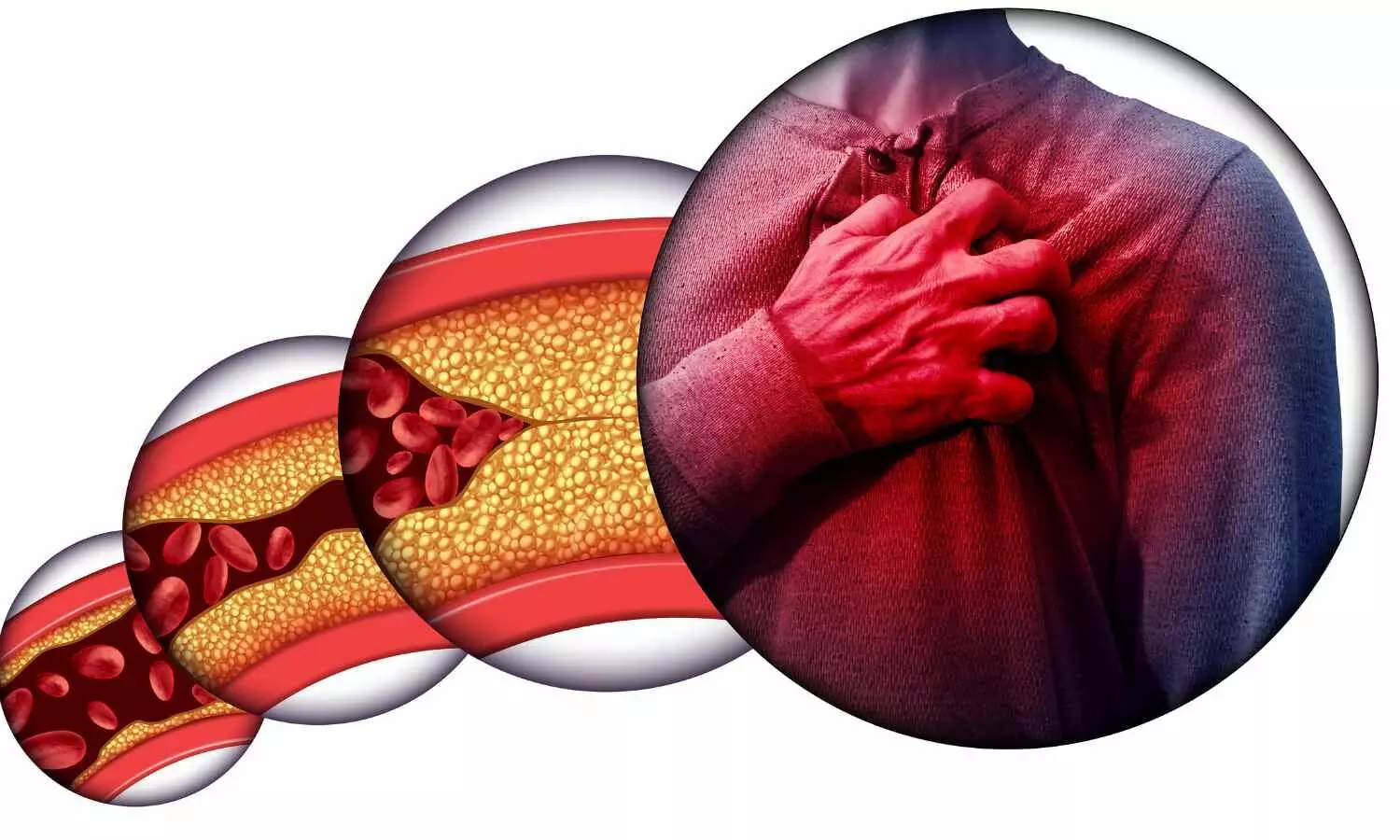


USA: New research has revealed that polyendocrine metabolic ovarian syndrome (PMOS), formerly known as polycystic ovary syndrome (PCOS), may be an independent predictor of atherosclerotic cardiovascular disease (ASCVD). The findings highlight the importance of long-term cardiovascular risk assessment and preventive care in women with PMOS.
The study, published in The Lancet Diabetes & Endocrinology, was led by Dr. Snigdha Alur-Gupta of the Department of Obstetrics and Gynecology at the University of Rochester, New York, and colleagues. The researchers sought to determine whether women with PMOS have a higher risk of developing ASCVD events beyond the contribution of traditional cardiovascular risk factors such as hypertension, diabetes, obesity, and dyslipidaemia.
PMOS is one of the most common reproductive endocrine disorders and is frequently associated with metabolic abnormalities. However, whether it independently increases the risk of ASCVD has remained uncertain. To investigate this, researchers conducted the largest nationwide longitudinal study of its kind in the United States.
The study analyzed data from Optum's de-identified Clinformatics Data Mart Database (2000–2022), including 413,450 women aged 18–50 years with PMOS and 2,067,250 age-matched women without PMOS. Women with a prior history of ASCVD were excluded. The primary outcome was a composite of coronary artery disease, cerebrovascular disease, and peripheral artery disease. Analyses were adjusted for multiple cardiovascular risk factors, comorbidities, and medication use.
Key findings include:
- Women with PMOS had a significantly higher incidence of ASCVD events than women without PMOS.
- PMOS was associated with a more than fourfold higher risk of ASCVD after adjustment for traditional cardiovascular risk factors (adjusted HR 4.40).
- Women with PMOS had a greater prevalence of baseline cardiovascular risk factors, including obesity, hypertension, diabetes, and dyslipidaemia.
- The increased risk extended to both composite ASCVD and individual cardiovascular outcomes, including myocardial infarction and stroke.
- Mediation analyses showed that incident hypertension, hyperlipidaemia, type 2 diabetes, and obesity explained only about one-third of the association, suggesting that PMOS itself contributes independently to cardiovascular risk.
The authors noted that although previous studies have linked PMOS with cardiovascular risk factors, evidence for actual cardiovascular events has remained inconsistent because of small sample sizes, cross-sectional designs, and inadequate adjustment for confounding variables. By using a large national database and longitudinal follow-up, the present study provides stronger evidence supporting an independent association between PMOS and ASCVD.
The researchers emphasized that these findings support earlier cardiovascular screening, patient counseling, and long-term surveillance for women with PMOS, even in those without traditional cardiovascular risk factors. They also called for future studies to evaluate cardiovascular risk as women with PMOS transition through menopause, which could further guide preventive care strategies.
Reference:
Alur-Gupta, S., DiTosto, J. D., Lewey, J., Soffer, D. E., Liu, Q., Busse, K. R., Brensinger, C., Mumford, S. L., & Dokras, A. (2026). Atherosclerotic cardiovascular disease risk in polyendocrine metabolic ovarian syndrome: A nationwide, US, claims-based, retrospective, longitudinal, cohort study. The Lancet Obstetrics, Gynaecology, & Women's Health. https://doi.org/10.1016/S3050-5038(26)00090-7

Next Story