
- Home
- Medical news & Guidelines
- Anesthesiology
- Cardiology and CTVS
- Critical Care
- Dentistry
- Dermatology
- Diabetes and Endocrinology
- ENT
- Gastroenterology
- Medicine
- Nephrology
- Neurology
- Obstretics-Gynaecology
- Oncology
- Ophthalmology
- Orthopaedics
- Pediatrics-Neonatology
- Psychiatry
- Pulmonology
- Radiology
- Surgery
- Urology
- Laboratory Medicine
- Diet
- Nursing
- Paramedical
- Physiotherapy
- Health news
- Fact Check
- Bone Health Fact Check
- Brain Health Fact Check
- Cancer Related Fact Check
- Child Care Fact Check
- Dental and oral health fact check
- Diabetes and metabolic health fact check
- Diet and Nutrition Fact Check
- Eye and ENT Care Fact Check
- Fitness fact check
- Gut health fact check
- Heart health fact check
- Kidney health fact check
- Medical education fact check
- Men's health fact check
- Respiratory fact check
- Skin and hair care fact check
- Vaccine and Immunization fact check
- Women's health fact check
- AYUSH
- State News
- Andaman and Nicobar Islands
- Andhra Pradesh
- Arunachal Pradesh
- Assam
- Bihar
- Chandigarh
- Chattisgarh
- Dadra and Nagar Haveli
- Daman and Diu
- Delhi
- Goa
- Gujarat
- Haryana
- Himachal Pradesh
- Jammu & Kashmir
- Jharkhand
- Karnataka
- Kerala
- Ladakh
- Lakshadweep
- Madhya Pradesh
- Maharashtra
- Manipur
- Meghalaya
- Mizoram
- Nagaland
- Odisha
- Puducherry
- Punjab
- Rajasthan
- Sikkim
- Tamil Nadu
- Telangana
- Tripura
- Uttar Pradesh
- Uttrakhand
- West Bengal
- Medical Education
- Industry
QWINT-1: Fixed-Dose Efsitora Achieves Effective Glycemic Control with Low Hypoglycemia
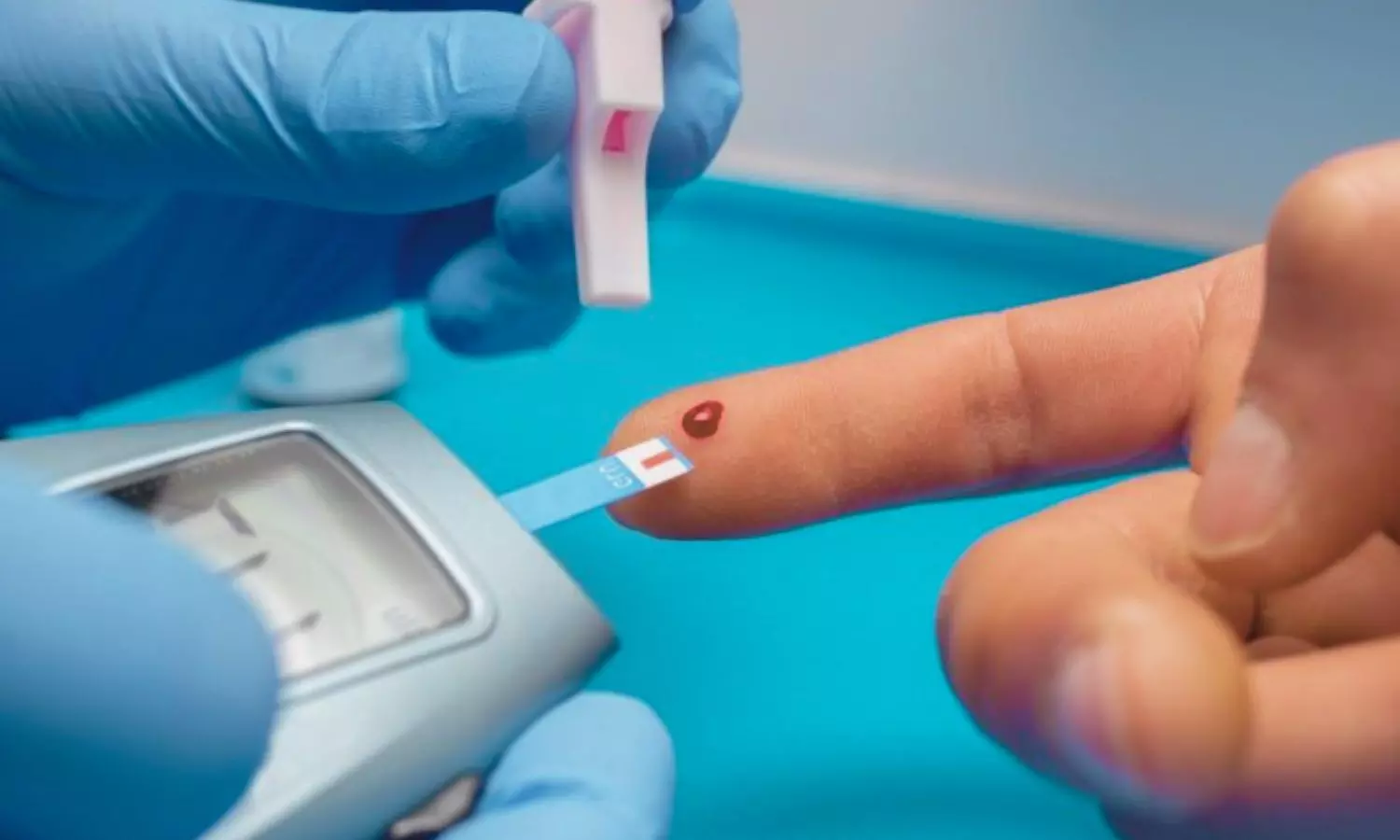
A new analysis from the Phase 3 QWINT-1 trial published in the journal of Diabetes, Obesity & Metabolism showed that simple fixed-dose titration of efsitora led to effective HbA1c reduction across all dose levels. Further rates of clinically meaningful hypoglycemia remained low following dose escalation. Overall, the regimen demonstrates a practical and safe approach to glycemic management.
The study closely followed 303 insulin-naïve participants over 52 weeks, and focused specifically on those treated with efsitora. Unlike traditional insulin therapies that require frequent dose adjustments, efsitora was administered using a structured, fixed-dose escalation approach. These patients started at set dose levels such as 100, 150, 250, or 400 units, and adjusted every 4 weeks based on fasting blood glucose targets. Those who did not meet targets at the highest fixed dose were transitioned to a more flexible dosing system.
This study found that participants who ultimately required higher doses of efsitora tended to have higher baseline body weight, elevated HbA1c levels, and increased fasting glucose at the start of the study. These individuals were also more likely to be male. Despite these differences, the treatment proved effective across all dosing groups.
About 76% of the participants remained on the fixed-dose regimen throughout the study. Most patients reached their final effective dose by Week 16, which suggested that the titration process was relatively quick and manageable.
Also, all the participants in the fixed-dose groups achieved significant reductions in HbA1c, which reached below 7.0%, aligning with widely accepted goals for diabetes management. These results confirm that once-weekly efsitora can deliver sustained glycemic control comparable to daily insulin glargine.
The incidence of clinically significant hypoglycemia (specifically Level 2 and Level 3 events) remained very low. Within the 4 weeks following any dose increase, estimated rates were fewer than 0.5 events per year, which showed that the fixed-dose adjustments did not substantially elevate risk.
Overall, these findings suggest that the simplified weekly dosing schedule of efsitora may reduce the burden on patients, improve adherence, and streamline clinical decision-making.
Source:
Connery, L., Rosenstock, J., Rasouli, N., Cheng, A. Y. Y., Liebl, A., Wang, Q., Pires, V., Knights, A., Davidson, M. B., & Child, C. J. (2026). Glycaemic control according to the final insulin dose using an innovative fixed-dose titration of weekly insulin efsitora in insulin-naïve type 2 diabetes. Diabetes, Obesity & Metabolism. https://doi.org/10.1111/dom.70814

Dr Kartikeya Kohli is an Internal Medicine Consultant at Sitaram Bhartia Hospital in Delhi with super speciality training in Nephrology. He has worked with various eminent hospitals like Indraprastha Apollo Hospital, Sir Gangaram Hospital. He holds an MBBS from Kasturba Medical College Manipal, DNB Internal Medicine, Post Graduate Diploma in Clinical Research and Business Development, Fellow DNB Nephrology, MRCP and ECFMG Certification. He has been closely associated with India Medical Association South Delhi Branch and Delhi Medical Association and has been organising continuing medical education programs on their behalf from time to time. Further he has been contributing medical articles for their newsletters as well. He is also associated with electronic media and TV for conduction and presentation of health programs. He has been associated with Medical Dialogues for last 3 years and contributing articles on regular basis.
Dr Kamal Kant Kohli-MBBS, DTCD- a chest specialist with more than 30 years of practice and a flair for writing clinical articles, Dr Kamal Kant Kohli joined Medical Dialogues as a Chief Editor of Medical News. Besides writing articles, as an editor, he proofreads and verifies all the medical content published on Medical Dialogues including those coming from journals, studies,medical conferences,guidelines etc. Email: drkohli@medicaldialogues.in. Contact no. 011-43720751

