
SGLT2 Inhibitors and GLP-1 Drugs Show Greater Kidney Benefits in Diabetes Patients With Albuminuria: BMJ
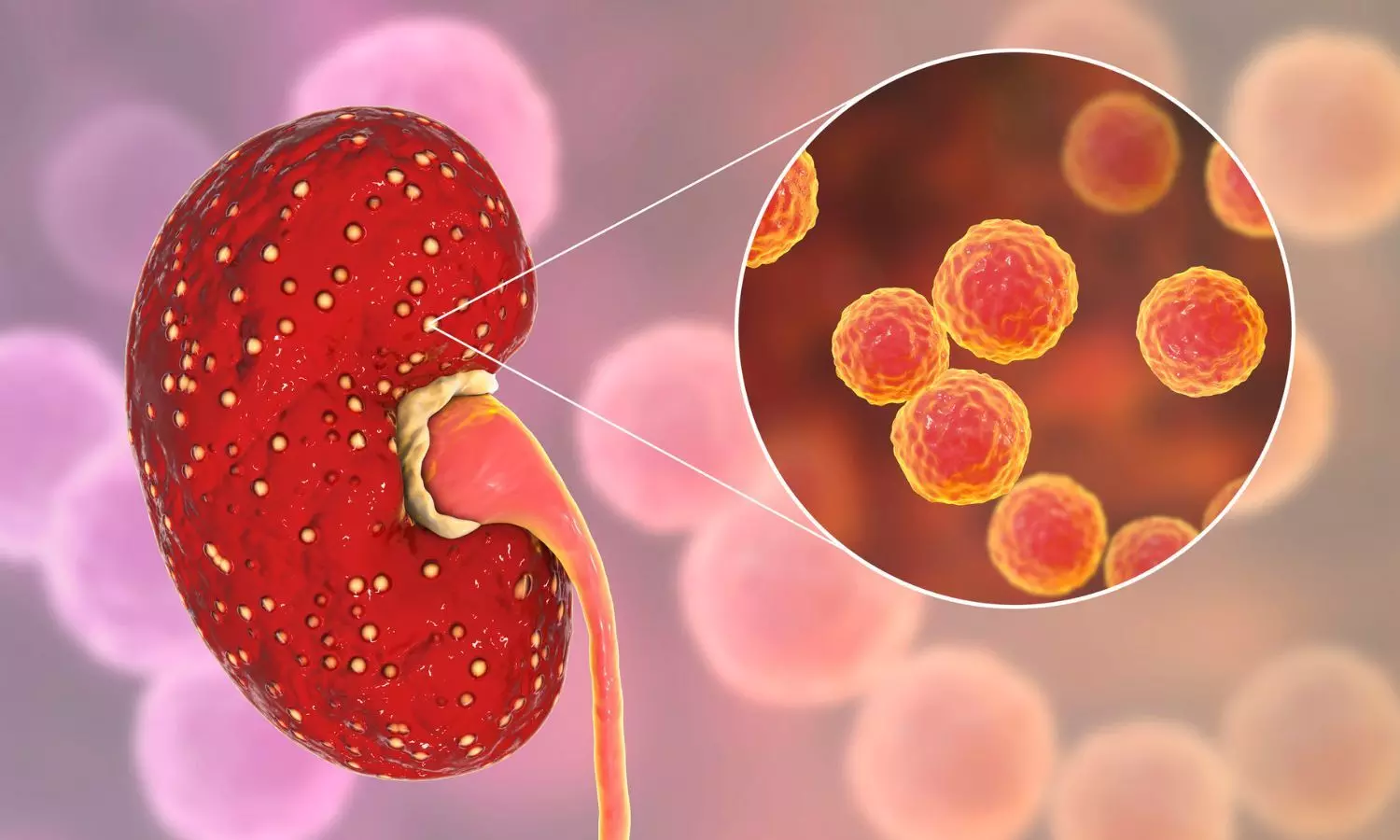


USA: A study involving more than 75,000 people with type 2 diabetes found lower rates of kidney deterioration with SGLT2 inhibitors or GLP-1 receptor agonists among patients with albuminuria, but not among those without it.
Two patients with type 2 diabetes may have similar HbA1c levels and kidney function, yet face different risks of progressive kidney disease. One may have elevated urinary albumin, while the other has no detectable albuminuria. Should this difference influence the choice of glucose-lowering treatment? New research published in The BMJ suggests that urinary albumin excretion may help identify patients who derive greater kidney protection from certain diabetes medications.
Published on September 16, 2026, the study examined renal outcomes among patients receiving sodium-glucose cotransporter-2 (SGLT2) inhibitors or glucagon-like peptide-1 (GLP-1) receptor agonists compared with other second-line treatments.
Researchers led by Alexander Turchin analysed linked electronic health records and insurance claims from 10 US healthcare systems and two national health insurance plans.
The study included 75,455 adults with type 2 diabetes who were receiving metformin alone before starting an additional glucose-lowering medication. Participants had moderate cardiovascular risk and an estimated glomerular filtration rate (eGFR) of at least 45 mL/min/1.73 m².
Of these, 61,583 patients, approximately 82%, had no albuminuria. The remaining 13,872 had a urinary albumin-to-creatinine ratio of at least 30 mg/g.
The median age was 60 years, median HbA1c was 7.8%, and median follow-up was 32 months.
Investigators compared SGLT2 inhibitors or GLP-1 receptor agonists with sulfonylureas and dipeptidyl peptidase-4 (DPP-4) inhibitors. Kidney deterioration was defined as doubling of serum creatinine or a decline in eGFR below 15 mL/min/1.73 m².
Key Findings:
- Among patients with albuminuria, the estimated five-year risk of kidney deterioration was 3.2% with SGLT2 inhibitors or GLP-1 receptor agonists, compared with 5.4% with DPP-4 inhibitors.
- SGLT2 inhibitors or GLP-1 receptor agonists were associated with a 40% relative reduction in kidney deterioration risk (RR 0.60; 95% CI, 0.42–0.82), corresponding to an absolute risk reduction of 2.2 percentage points over five years.
- Among patients without albuminuria, the estimated five-year risk of kidney deterioration was 2.4% with SGLT2 inhibitors or GLP-1 receptor agonists and 2.1% with DPP-4 inhibitors, with no statistically significant difference between the groups (RR 1.10; 95% CI, 0.90–1.38).
- Sulfonylureas were associated with a 31% higher risk of kidney deterioration than DPP-4 inhibitors among patients without albuminuria (RR 1.31).
These findings highlight the importance of measuring urinary albumin when assessing kidney risk in diabetes.
An eGFR within the normal range does not necessarily indicate an absence of diabetic kidney disease. Albuminuria can identify patients at increased risk before a substantial decline in filtration function becomes apparent.
However, the study requires careful interpretation.
It was an observational analysis designed to emulate a clinical trial, not a randomised controlled trial. Differences between treatment groups may therefore have influenced the findings despite statistical adjustment.
Importantly, SGLT2 inhibitors and GLP-1 receptor agonists were analysed together. The study cannot establish that both drug classes provide identical renal benefits or that either class is ineffective in patients without albuminuria.
The relatively low frequency of severe renal events and the duration of follow-up may also have limited the ability to detect smaller or longer-term treatment effects.
For practising physicians, the findings support routine assessment of both eGFR and urinary albumin-to-creatinine ratio in patients with type 2 diabetes.
When albuminuria is present, kidney protection should become an important consideration in treatment selection alongside glycaemic control and cardiovascular risk.
Conversely, the absence of albuminuria should not automatically exclude patients from receiving SGLT2 inhibitors or GLP-1 receptor agonists. These medications have other established indications, and treatment decisions must reflect the patient's overall cardiovascular, renal and metabolic profile.
The study reinforces a clinically important principle: kidney risk in diabetes cannot be assessed through serum creatinine or eGFR alone. Measuring albuminuria may reveal patients at greater risk of renal deterioration and help physicians make more individualised treatment decisions.
Reference:
Turchin A, Petito LC, Hegermiller E, et al. Renal outcomes in people with type 2 diabetes with and without albuminuria treated with SGLT-2 inhibitors and GLP-1 receptor agonists: target trial emulation.
The BMJ. 2026;394.
First published online: September 16, 2026.

Next Story