
Type 1 Diabetes Linked to Higher Risk of Major Femur and Hip Fractures: Study
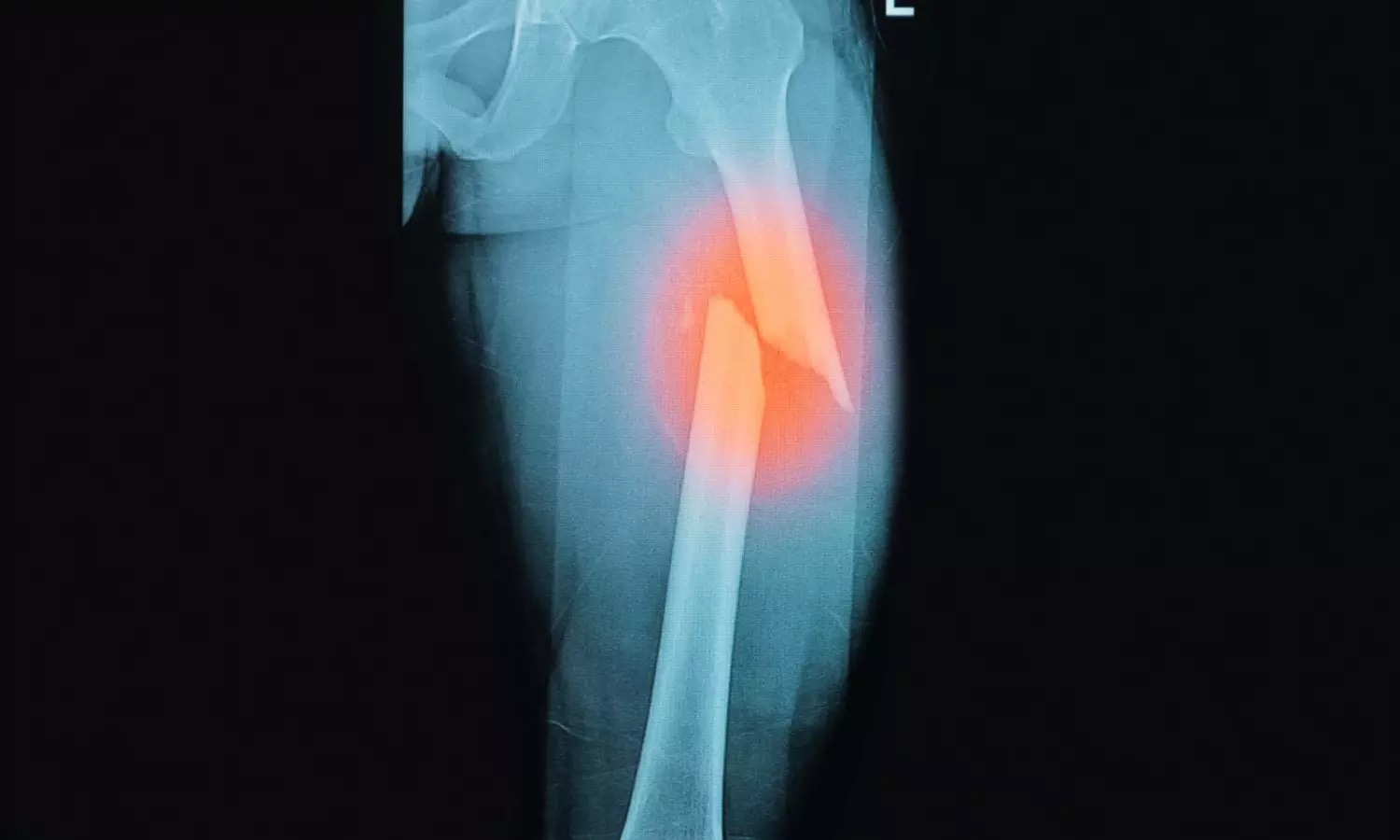


Denmark: A large nationwide Danish study has revealed that older adults with type 1 diabetes have a significantly higher risk of hip, subtrochanteric, and femoral shaft fractures compared with those with type 2 diabetes or no diabetes. After adjusting for age, the increased fracture risk remained significant only for type 1 diabetes, highlighting the greater impact of type 1 diabetes on bone health and fracture susceptibility in older adults.
The findings were published in Diabetes Care by Asger A. Bech from Steno Diabetes Center North Denmark, Aalborg University Hospital, Denmark, and colleagues.
Fractures of the femur, particularly hip fractures, are a major cause of disability, loss of independence, and mortality among older adults. Previous studies have suggested that diabetes may adversely affect bone quality and increase fracture risk, but the relationship between different types of diabetes and specific femoral fracture patterns has remained incompletely understood.
To investigate this association, researchers analyzed data from nationwide Danish health registries spanning 1997 to 2021. The study included adults aged 65 years and older and compared fracture incidence among individuals with type 1 diabetes, type 2 diabetes, and those without diabetes. The analysis focused on hip fractures and subtrochanteric/femoral shaft (ST/FS) fractures, evaluating incidence rates, incidence rate ratios (IRRs), and fracture-site susceptibility.
The study reported the following findings:
- Adults aged 65 years and older with both type 1 and type 2 diabetes had higher rates of femoral fractures compared with those without diabetes.
- Type 1 diabetes was associated with a 2.53-fold higher incidence of subtrochanteric/femoral shaft (ST/FS) fractures compared with individuals without diabetes.
- Type 1 diabetes was associated with a 2.17-fold higher incidence of hip fractures compared with individuals without diabetes.
- Type 2 diabetes was associated with a modest increase in fracture risk, with incidence rate ratios of 1.08 for ST/FS fractures and 1.06 for hip fractures.
- After adjusting for age, the increased fracture risk remained significant only in individuals with type 1 diabetes.
- The findings suggest that type 1 diabetes independently increases fracture susceptibility beyond the effects of aging.
- Adjusted analyses showed that both type 1 and type 2 diabetes were associated with a greater likelihood of sustaining ST/FS fractures rather than hip fractures.
- Compared with hip fractures, the odds of experiencing an ST/FS fracture were 14% higher among individuals with type 1 diabetes.
- Compared with hip fractures, the odds of experiencing an ST/FS fracture were 5% higher among individuals with type 2 diabetes.
The researchers concluded that type 1 diabetes is strongly associated with an increased incidence of femoral fractures in older adults and is linked to a modestly greater tendency toward subtrochanteric and femoral shaft fractures compared with hip fractures. The findings underscore the importance of fracture prevention strategies and bone health monitoring in older adults with diabetes, particularly those living with type 1 diabetes, who appear to face the greatest skeletal risk.
Reference:
Asger A. Bech, Annika V. Kvist, Peter Vestergaard, Nicklas H. Rasmussen; Diabetes and Femoral Fracture Patterns: A Nationwide Registry Study (1997–2021). Diabetes Care 2026; dc252899. https://doi.org/10.2337/dc25-2899

Next Story